


What's Happening?
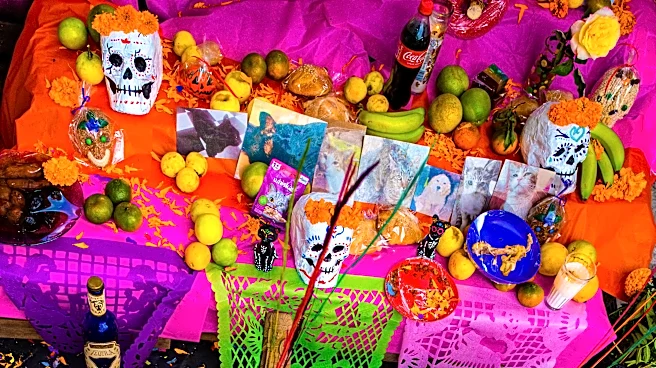
Students from five high schools in the Los Angeles area—Santa Monica, Venice, University, Fairfax, and Inglewood—participated in a Día de los Muertos celebration at the Santa Monica History Museum. From November 1-2, these students constructed and decorated
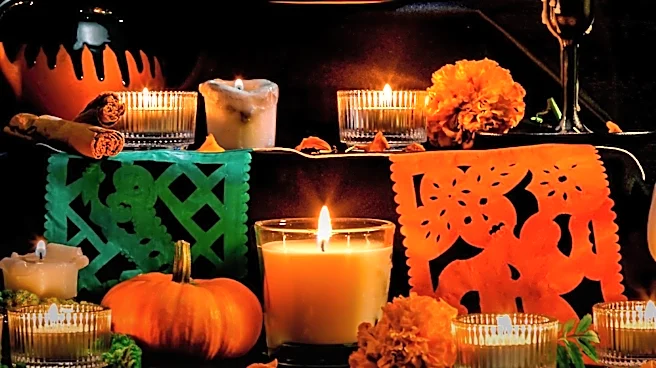
altars, known as ofrendas, to honor deceased loved ones. The altars were adorned with photographs, flowers, candles, and traditional decorations. This initiative, spearheaded by Guadalupe Mireles-Toumayan, adviser to Legado Latino at Santa Monica High School, aimed to bridge schools, generations, and communities through shared cultural heritage. For many students, this was their first experience building an altar, which they described as a deeply emotional and meaningful opportunity to celebrate and remember family members who have passed away. The event emphasized that Día de los Muertos is a celebration of life and memory, not solely focused on loss.
Why It's Important?
This event holds significant cultural and educational importance, particularly for Mexican American communities in the U.S. It provides a platform for high school students to engage directly with their heritage, fostering a sense of identity and belonging. By bringing together students from diverse backgrounds, the celebration promotes cross-cultural understanding and community building. The Santa Monica History Museum's involvement highlights the role of cultural institutions in preserving and showcasing community histories, integrating Día de los Muertos into Santa Monica's broader cultural narrative. This initiative also challenges stereotypes by presenting Mexican culture as rich and multifaceted, moving beyond simplified portrayals often seen in media. It reinforces the idea that embracing one's cultural heritage is an act of pride and resistance against generalizations and misconceptions.
What's Next?
The success of this Día de los Muertos celebration at the Santa Monica History Museum suggests a potential for similar collaborative cultural events in the future. Educators involved, such as Guadalupe Mireles-Toumayan, expressed a desire for Día de los Muertos to become a permanent part of Santa Monica's cultural history, indicating a commitment to continuing and expanding such initiatives. The positive student feedback and the strong community engagement could encourage other schools and cultural institutions to host similar events, further promoting cultural awareness and appreciation across the U.S. The event also serves as a model for how educational institutions can support students in exploring and celebrating their cultural identities, potentially leading to more inclusive curricula and school activities.
Beyond the Headlines
Beyond the immediate celebration, this event touches upon deeper themes of cultural preservation, identity formation, and the role of education in fostering inclusivity. Students' reflections on not having to choose between being American and embracing their Mexican heritage underscore a broader societal shift towards recognizing and valuing diverse cultural identities within the U.S. The act of building altars becomes a powerful symbol of remembrance and an assertion of cultural pride in the face of historical attempts to diminish Latin American traditions. This initiative also highlights the critical role of educators in shaping how students perceive themselves and their heritage, emphasizing that visibility and recognition of diverse histories are essential for students to feel a sense of belonging and respect within their communities.