




What's Happening?
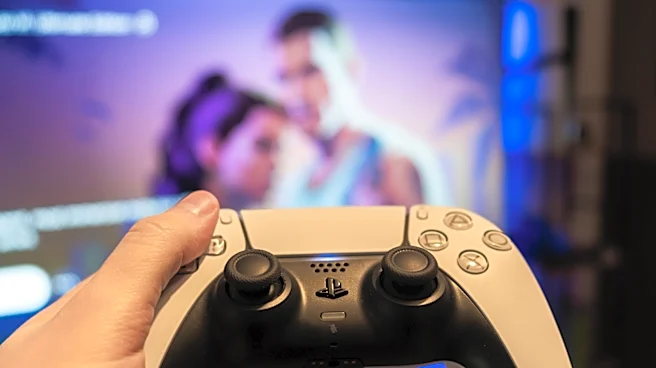
Grand Theft Auto VI (GTA VI) launched on Thursday for PlayStation 5 and Xbox Series X/S, achieving an unprecedented $3.79 billion in first-day sales. Rockstar Games has declared this the 'biggest entertainment launch in history.' The release, which comes
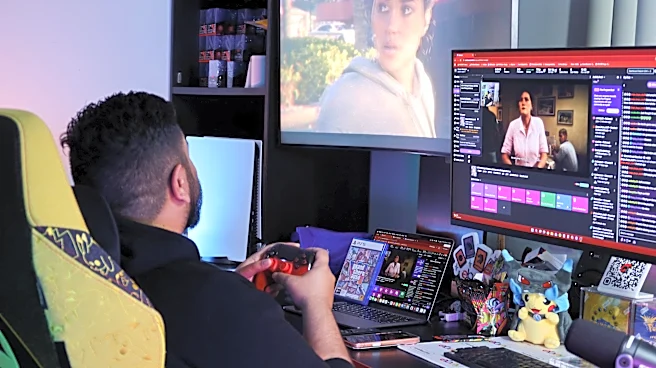
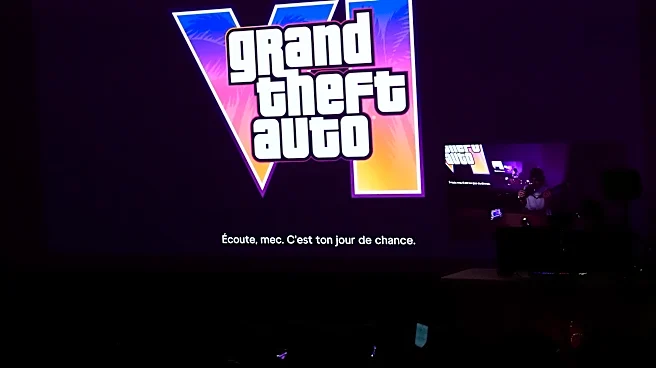
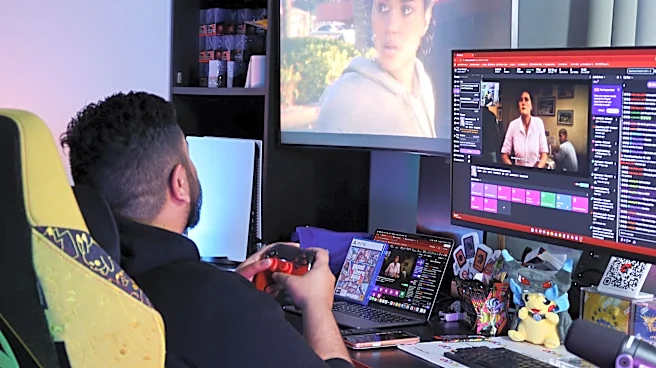
13 years after its predecessor, prompted a significant response from fans across the U.S. and beyond. Many enthusiasts took time off work, transformed their homes, or organized elaborate play parties to mark the occasion. For instance, Nara Mont from Los Angeles spent over $3,000 to recreate a character's apartment from the game, while Stefan Grant, an electronics technician in the U.S. Coast Guard, took nine days of military leave and invested $1,600 in new gaming equipment. The game's launch was entirely digital, with no physical releases or midnight store openings.
Why It's Important?
The record-breaking launch of GTA VI underscores the immense economic power and cultural impact of the video game industry in the U.S. and globally. Generating nearly $3.8 billion in a single day, it surpasses previous entertainment records, demonstrating that video games are a dominant force in the entertainment sector, potentially outperforming traditional media like movies and music. This success has significant implications for the business landscape, highlighting the profitability of major game franchises and the potential for massive consumer spending. The dedication of fans, who are willing to take time off work and invest heavily in new hardware and themed environments, illustrates the deep engagement and loyalty that successful gaming titles can command. This phenomenon also points to the growing trend of digital-only releases, which streamline distribution and maximize initial sales figures for developers and publishers.
Beyond the Headlines
The launch of GTA VI reveals deeper societal and cultural implications beyond its commercial success. The extensive fan celebrations, including taking military leave, redecorating homes, and organizing play parties, highlight the game's status as a significant cultural event rather than just a product. The focus on the game's first female protagonist, Lucia, as a motivating factor for some fans, suggests a growing demand for diverse representation within major gaming franchises. The transition to a fully digital release also signals a shift in consumer behavior and industry practices, moving away from physical media and traditional retail experiences. This digital-first approach, while convenient for publishers, also means that some fans, like Didier Figueroa, may experience disappointment over the inability to transfer progress or items from previous installments, raising questions about digital ownership and continuity in gaming ecosystems.