





What's Happening?
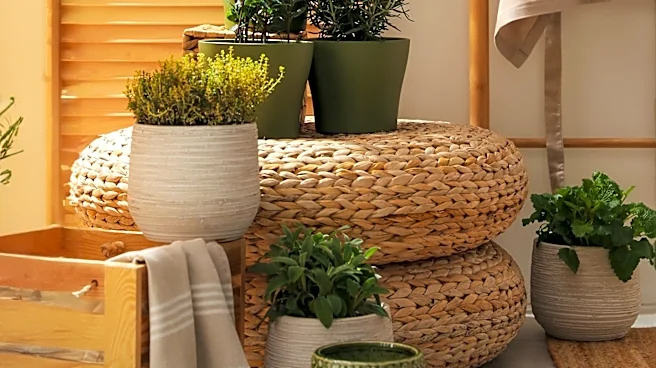
The Denver Botanic Gardens is offering a new class titled 'Small Space Balcony Botanicals,' designed for urban dwellers with limited growing space. This program aims to teach participants how to cultivate thriving green retreats on balconies, windowsills,
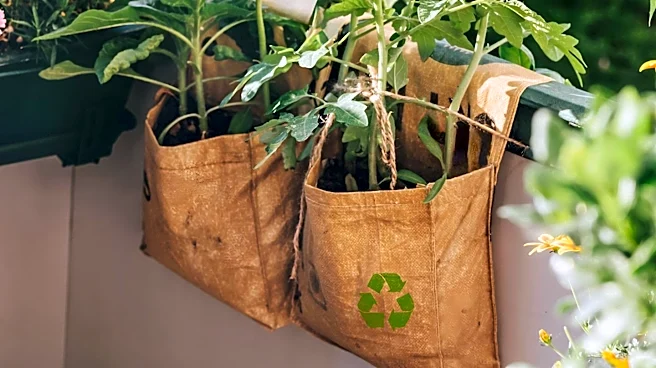
and other compact urban areas. The class covers essential topics such as selecting appropriate plants, designing layouts, and caring for various flora, including flowers, herbs, and fresh food. Instructor Armando Villa-Ignacio, a Ph.D. candidate in Horticulture and Landscape Architecture at Colorado State University, will guide attendees through practical strategies for choosing containers, soil, and plants, maximizing sunlight, and implementing space-saving design techniques like vertical gardening. The curriculum also includes seasonal care, watering, and pest management to ensure year-round garden success. The class is priced at $40, with a discounted rate of $32 for members, and is scheduled for March 9 at the York Street location.
Why It's Important?
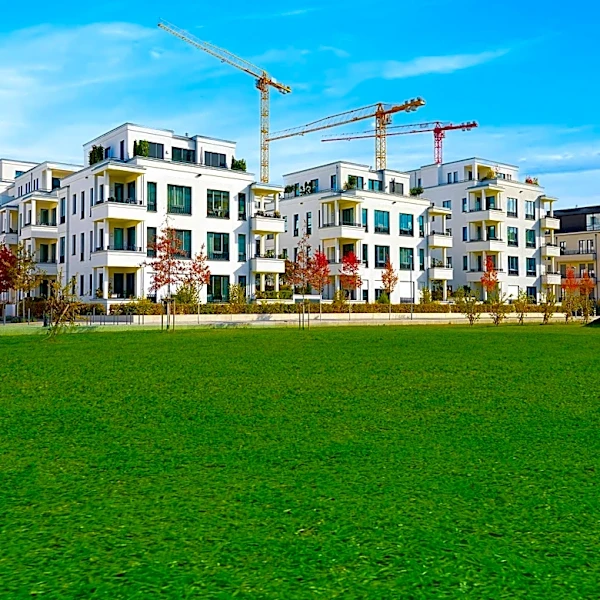
This initiative by the Denver Botanic Gardens addresses a growing need for green spaces and connection to nature within urban environments, particularly for residents without traditional backyards. As urbanization continues, many individuals find themselves in apartments or condominiums with limited outdoor access. The 'Small Space Balcony Botanicals' class provides practical, accessible solutions for these individuals to engage in gardening, which can offer numerous benefits, including improved mental well-being, access to fresh produce, and enhanced aesthetic appeal of living spaces. The program's focus on sustainable urban agriculture, as highlighted by instructor Armando Villa-Ignacio's research into rooftop agrivoltaic systems, also contributes to broader environmental goals by promoting local food production and green infrastructure in cities. This type of educational offering can empower urban communities to create more sustainable and enjoyable living environments, fostering a deeper connection to nature despite spatial constraints.
What's Next?
Following the initial offering on March 9, the Denver Botanic Gardens may consider expanding the 'Balcony Botanicals Series' based on participant interest and feedback. The series is designed to be modular, allowing individuals to choose single classes or multiple sessions for a discounted rate, suggesting potential for additional topics or advanced courses. The success of this program could lead to similar initiatives in other urban botanical gardens or community centers across the U.S., as the demand for small-space gardening solutions continues to rise. Furthermore, the practical strategies taught in the class, such as vertical gardening and efficient resource management, could inspire urban planning and development efforts to integrate more green spaces into compact living designs. The ongoing research by Armando Villa-Ignacio in urban agriculture could also inform future curriculum development, ensuring the program remains at the forefront of sustainable gardening practices.
Beyond the Headlines
The 'Small Space Balcony Botanicals' class reflects a broader cultural shift towards integrating nature into daily urban life and a growing interest in self-sufficiency and sustainable living. Beyond the immediate benefits of gardening, such programs can foster community engagement and provide educational opportunities for individuals of all ages. The emphasis on maximizing limited space and resource efficiency aligns with principles of minimalist living and environmental consciousness, encouraging participants to think creatively about their consumption and impact. Ethically, promoting urban gardening can contribute to food security in underserved communities and reduce reliance on long-distance food supply chains. Legally, increased interest in balcony gardening might lead to discussions around building codes, landlord policies, and urban green space regulations. Culturally, these initiatives help redefine what a 'garden' can be, moving beyond traditional notions of sprawling backyards to embrace innovative, compact, and accessible forms of cultivation.