





What's Happening?
Gold prices are experiencing a decline, set for a weekly loss, as tensions between the U.S. and Iran escalate, leading to concerns about potential Federal Reserve rate hikes. Spot gold fell by 0.4% to $4,105.97 per ounce, marking a 1.6% decrease for the week.
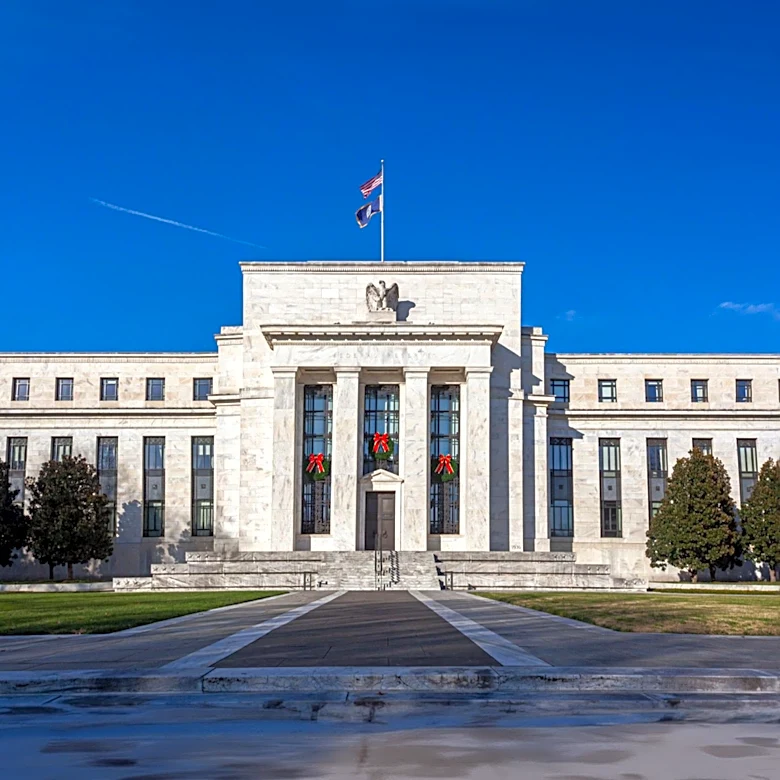
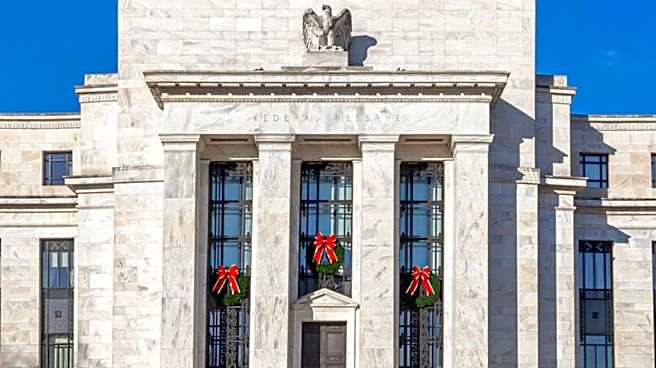
U.S. gold futures for August delivery also slipped by 0.6% to $4,114.80 per ounce. The market is currently pricing in a 58% chance of a rate hike in September, according to CME's FedWatch tool. This comes as investors await U.S. inflation data and testimony from Fed Chair Kevin Warsh. The minutes from the Fed's June meeting revealed growing concerns about inflation, with some policymakers favoring a rate hike. Meanwhile, oil prices are rising following Iranian strikes against U.S. military infrastructure in Gulf states, which could further influence inflation and interest rate decisions.
Why It's Important?
The potential for a Federal Reserve rate hike is significant as it could impact various economic sectors, particularly those sensitive to interest rates like housing and consumer spending. Higher interest rates generally lead to a stronger dollar, which can weigh on gold prices since gold does not yield interest. The geopolitical tensions between the U.S. and Iran add another layer of complexity, as they can lead to increased oil prices, further fueling inflation. This situation places pressure on the Federal Reserve to balance inflation control with economic growth, affecting investors and policymakers alike. The outcome of these developments could influence global financial markets and economic stability.
What's Next?
Investors and market analysts will closely monitor the upcoming U.S. inflation data and Fed Chair Kevin Warsh's testimony for indications of future monetary policy directions. Any significant changes in inflation data could prompt the Federal Reserve to adjust its stance on interest rates. Additionally, continued geopolitical tensions could lead to further volatility in oil and gold markets. Stakeholders, including businesses and policymakers, will need to prepare for potential economic shifts resulting from these developments.