



What's Happening?
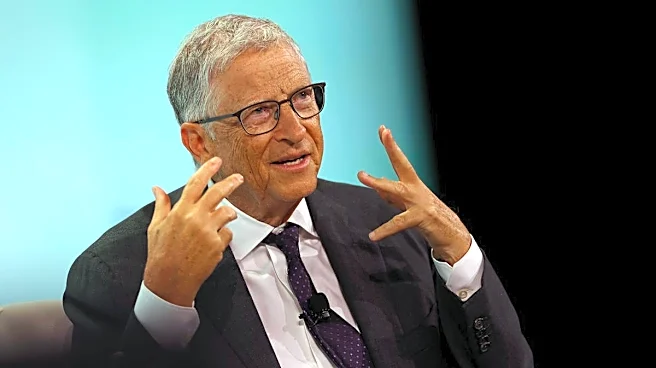
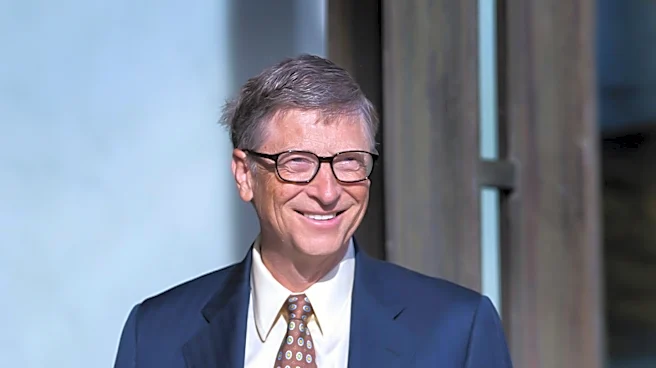
The Gates Foundation Trust, with Bill Gates as its trustee, has revealed its investment strategy through its quarterly Form 13F filings with the Securities and Exchange Commission (SEC). The foundation's portfolio, valued at $34.4 billion as of June 30,
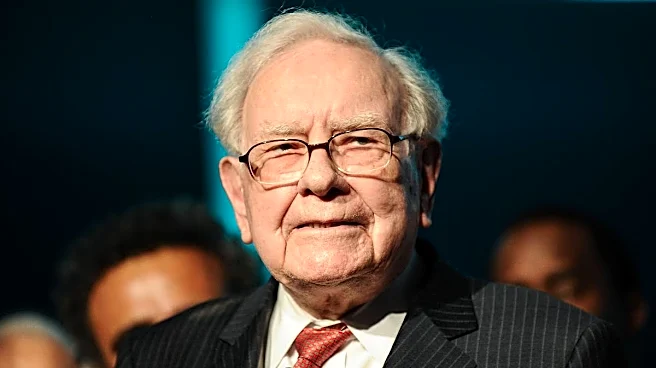
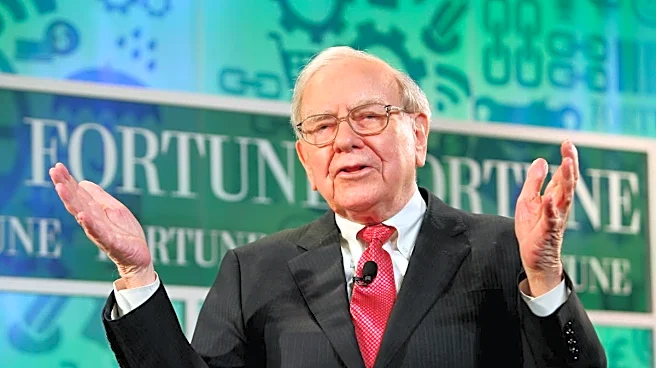
largely eschews the technology sector, despite Gates's background as co-founder of Microsoft. Instead, the trust heavily favors industrial and consumer companies. Its largest holding is Berkshire Hathaway Class B shares, accounting for approximately $7.4 billion, a stake primarily due to a donation from Warren Buffett. Although the foundation trimmed its Berkshire stake by about 2.4 million shares in the second quarter, it still holds 14.7 million shares. The next four largest holdings are in the industrials sector: Caterpillar, Canadian National Railway, Waste Management, and Deere, with values ranging from $2.3 billion to $6.8 billion. The foundation also holds significant positions in consumer goods companies such as Walmart, Home Depot, and McDonald's, having initiated a new position in Home Depot by purchasing 1 million shares valued at over $350 million in the second quarter.
Why It's Important?
This investment strategy from a prominent philanthropic organization like the Gates Foundation offers a significant counter-narrative to the current market trend of high investor interest in technology stocks, particularly those related to artificial intelligence. The foundation's preference for 'steady compounders' in industrial and consumer sectors suggests a long-term, stability-focused approach, which could influence other large institutional investors and even individual investors looking for less volatile growth. While the S&P 500 information technology sector gained 20% this year compared to the broader S&P 500's 12% gain, the Gates Foundation's portfolio demonstrates that substantial returns can be achieved outside of the tech boom. For instance, Caterpillar, one of its top holdings, has seen its shares rise 44% this year, partly due to data center construction supporting AI growth, and has consistently raised its dividend for 32 years. This approach highlights the potential for robust, long-term growth and dividend income from established companies, providing a model for portfolio diversification and risk management in an increasingly tech-centric market.
What's Next?
Investors will likely continue to monitor the Gates Foundation's future SEC filings to observe any shifts in its investment strategy, particularly in response to ongoing market trends and economic conditions. The foundation's continued emphasis on industrial and consumer stocks could reinforce the idea that a diversified portfolio, not solely reliant on high-growth tech, can yield stable and significant returns. This could lead to increased scrutiny of the long-term viability and volatility of current tech darlings, especially those in the generative AI space, as investors seek to balance potential high returns with proven stability. Companies like Caterpillar, with their consistent performance and dividend growth, may see continued investor interest as a result of this endorsement from a major, influential foundation. The foundation's strategy may also encourage other philanthropic organizations and endowments to re-evaluate their own asset allocations, potentially shifting capital towards more traditional, established industries.
Beyond the Headlines
The Gates Foundation's investment choices reflect a deeper philosophical stance on wealth management and societal impact. By prioritizing companies with long-standing stability and consistent performance, the foundation implicitly advocates for a more sustainable and less speculative approach to capital deployment. This strategy, while not directly tied to its philanthropic missions, provides a stable financial base that allows for long-term planning and execution of its global health and development initiatives. The decision to largely avoid the tech sector, despite Bill Gates's personal history, also underscores a recognition that not all innovation translates into reliable long-term investment returns, and that fundamental industries remain critical to economic stability. This approach could subtly influence broader discussions about responsible investing, encouraging a focus on companies that demonstrate resilience and provide essential goods and services, rather than solely chasing the latest technological trends. It also highlights the enduring value of traditional industries in a rapidly evolving global economy.