




What's Happening?
The World Bank Group's latest Commodity Markets Outlook, released on October 28, 2026, projects a 23% increase in overall commodity prices for 2026. This surge is attributed to mounting global shocks, including the ongoing conflict in the Middle East,
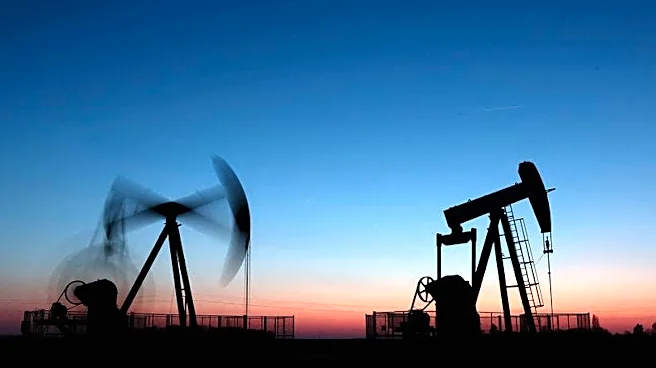
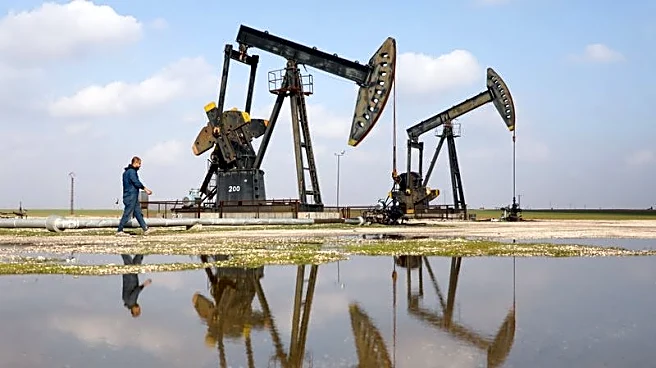
which is expected to drive energy prices to a four-year high. Specifically, energy prices are forecast to rise by 32% in 2026, with Brent crude averaging $91 per barrel. Food commodity prices are also anticipated to climb by 10% in 2026 and an additional 7% in 2027, totaling an 18% cumulative increase, due to disrupted grain shipments, the El Niño weather phenomenon threatening harvests, and elevated fuel and fertilizer costs. Industrial metals are expected to see a 25% increase, reaching new highs, while precious metals prices are projected to jump by 40% in 2026 due to demand for safe-haven assets. The World Bank Group has made $50 billion to $60 billion available through existing instruments, including $25 billion in pre-arranged financing, to help countries manage the impact of these higher prices.
Why It's Important?
This significant increase in commodity prices has far-reaching implications for the global economy, particularly for the U.S. and its trading partners. Higher energy costs will likely translate into increased operational expenses for U.S. businesses across various sectors, from manufacturing to transportation, potentially fueling inflation. The rise in food commodity prices could impact household budgets, leading to reduced consumer spending and potentially exacerbating food insecurity in vulnerable populations globally, which could, in turn, affect U.S. humanitarian aid and foreign policy. For U.S. industries reliant on industrial metals, such as automotive and construction, the projected 25% price hike will increase production costs. The demand for safe-haven assets, driving up precious metal prices, signals heightened geopolitical and policy uncertainty, which could influence investment decisions and market stability in the U.S. The World Bank's provision of financing highlights the anticipated strain on national economies, underscoring the need for robust economic strategies to mitigate these impacts.
What's Next?
The World Bank's forecast suggests that the global economy will continue to navigate a period of elevated commodity prices, with potential for further escalation if conflicts intensify or climate-related events worsen. Countries, including the U.S., will likely need to implement or adjust policies to address inflationary pressures and protect vulnerable populations from rising costs. The World Bank Group's available financing of $50 billion to $60 billion is intended to support social safety nets, boost fiscal capacity, and provide working capital for businesses and farms in affected nations. This indicates a focus on immediate relief and stabilization efforts. Furthermore, the report emphasizes the interconnectedness of commodity markets, suggesting that volatility in one sector can quickly spread to others. Therefore, monitoring geopolitical developments, climate patterns, and their effects on supply chains will be crucial for policymakers and businesses in the U.S. to anticipate and respond to future market shifts.
Beyond the Headlines
The projected surge in commodity prices extends beyond immediate economic concerns, hinting at deeper structural shifts and vulnerabilities in the global system. The reliance on fossil fuels, highlighted by the Middle East conflict's impact on energy prices, underscores the ongoing challenges in transitioning to renewable energy sources and the geopolitical risks associated with traditional energy markets. The vulnerability of grain shipments and harvests to conflict and climate phenomena like El Niño exposes the fragility of global food supply chains and the urgent need for resilient agricultural practices and diversified food sources. The increased volatility and interconnectedness of commodity markets during periods of stress suggest that global economic stability is increasingly susceptible to external shocks. This situation could accelerate discussions and investments in domestic production capabilities and strategic reserves within the U.S. to buffer against future disruptions, potentially reshaping trade policies and international economic cooperation.