









What's Happening?
Amazon is facing a new challenge as it approaches Prime Day 2026, with over 86% of online shoppers already holding Prime memberships. This saturation means there is limited room for growth in acquiring new members. Prime Day, initially launched in 2015
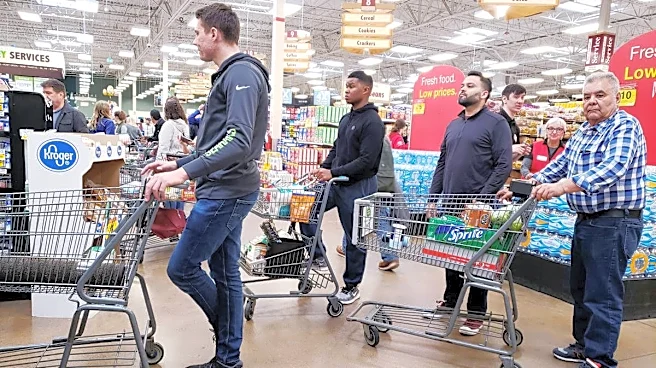
to boost membership, has been a significant driver of Amazon's growth, with membership numbers rising from 40 million to 200 million over the past decade. This year, Amazon is shifting its strategy to encourage existing Prime members to increase their purchases, particularly in groceries and essential products. The company is promoting items like hot dogs, Celsius energy drinks, and Korean beauty products, which are less profitable but serve as loss leaders to drive more frequent visits to the platform.
Why It's Important?
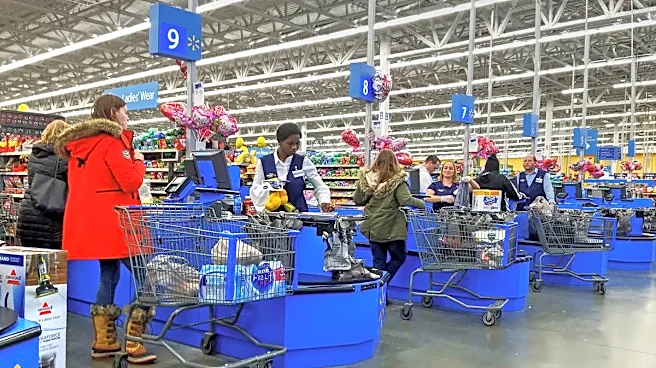
The saturation of Prime memberships presents a strategic challenge for Amazon, as the company must now focus on maximizing revenue from its existing customer base rather than expanding it. This shift could impact Amazon's profitability, as the company moves away from high-margin electronics to lower-margin grocery items. Additionally, the competitive landscape is intensifying, with retailers like Walmart and Target launching rival sales events. Walmart, in particular, is enhancing its Walmart+ membership with delivery perks, positioning itself as a direct competitor to Amazon in the grocery and delivery sectors. This competition could influence pricing strategies and consumer loyalty, affecting Amazon's market dominance.
What's Next?
Amazon's focus on groceries and essentials during Prime Day suggests a long-term strategy to capture a larger share of the grocery market. This could lead to further investments in logistics and delivery infrastructure to enhance service offerings. The company may also explore partnerships or acquisitions to strengthen its position against competitors like Walmart. Consumer response to this year's Prime Day will be crucial in determining the effectiveness of Amazon's new strategy. Additionally, the outcome of this shift could influence future Prime Day events and the overall direction of Amazon's retail strategy.