




What's Happening?
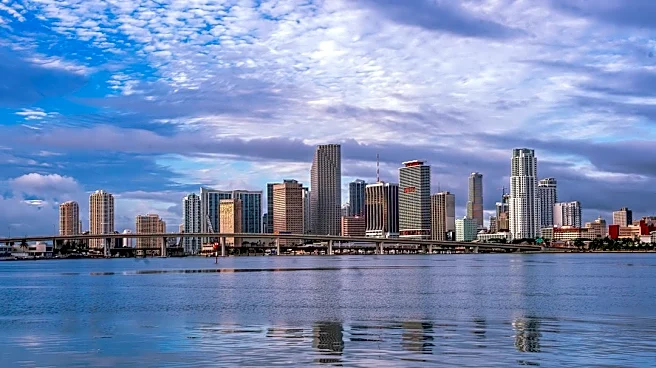
Miami-based Betterness has secured an additional $1 million in seed financing, bringing its total seed round to $3.5 million. This funding will support the company's expansion beyond smartphone-based AI health coaching into creating neighborhood wellness
networks. Betterness is preparing to launch its first such network at Miami Worldcenter on November 15, integrating over 30 local businesses through an initiative called Worldcenter Perks. The company's core offering includes Bett-i, an AI life coach that uses data from wearables, lab results, and other sources to guide users in health decisions. Betterness also provides the Betterness One platform for businesses, which has moved from beta testing to daily operations, processing an average of $500,000 annually in member bookings. The platform helps businesses manage memberships, class bookings, payments, and customer relationships, with a free 'Grow' product for digital presence and a 'Host' product for daily operations. A coaching product with AI assistance for trainers is in beta, and an e-commerce feature is planned.
Why It's Important?
Betterness's expansion into neighborhood wellness networks signifies a significant evolution in how AI-powered health and wellness services are delivered, moving beyond individual smartphone apps to integrated community-level solutions. This approach has the potential to foster stronger local economies by connecting consumers directly with local healthcare providers, gyms, and wellness brands, creating a more holistic and accessible wellness ecosystem. For businesses, the Betterness One platform offers comprehensive tools that can streamline operations and enhance customer engagement through personalized offerings, potentially increasing revenue and efficiency. For consumers, the integration of AI coaching with local services provides a more tangible and community-driven approach to health management, encouraging sustained engagement and better health outcomes. This model could serve as a blueprint for other urban developments looking to integrate wellness into daily life, potentially influencing urban planning and community health initiatives across the U.S.
What's Next?
Betterness is set to formally launch its neighborhood wellness network on November 15 at the Miami Worldcenter Wellness Series: Feeling ALIVE, an event that has already garnered over 600 registrations. This launch will serve as a significant test case for their integrated community wellness model. Following the Miami Worldcenter initiative, Miami Beach is next on Betterness's expansion roadmap, indicating a strategic plan for growth within the South Florida region. The company also plans to further develop its consumer-facing app by adding telemedicine consultations, prescription fulfillment through licensed pharmacies, and supplements. For businesses, Betterness will continue to refine its coaching product, currently in beta, which allows trainers to develop personalized programs with AI assistance, and will launch an upcoming commerce feature for direct product sales through the app. The long-term vision, as articulated by co-CEO Demian Bellumio, is for Miami to serve as a testing ground for a model that can eventually be replicated in communities nationwide, promoting healthier, more connected lives.
Beyond the Headlines
The Betterness model, integrating AI health coaching with local businesses and community networks, touches upon several deeper implications. Ethically, it raises questions about data privacy and the sharing of personal health information across a network of providers and businesses. Clear consent mechanisms and robust data security will be paramount. Legally, the expansion into telemedicine and prescription fulfillment will require navigating complex healthcare regulations and licensing requirements. Culturally, this initiative could foster a stronger sense of community wellness, encouraging local engagement and support for healthy lifestyles. However, it also highlights potential disparities in access, as such integrated wellness networks might initially be more prevalent in affluent urban developments. Long-term, this model could influence urban planning, encouraging developers to incorporate wellness infrastructure and community health initiatives as core components of new projects, potentially reshaping how cities support the well-being of their residents.