



What's Happening?
The Summit League Network (SLN), powered by Midco Sports Plus, serves as the primary paid streaming platform for the Summit League conference. It provides access to over 600 live events annually, encompassing regular-season coverage of various sports
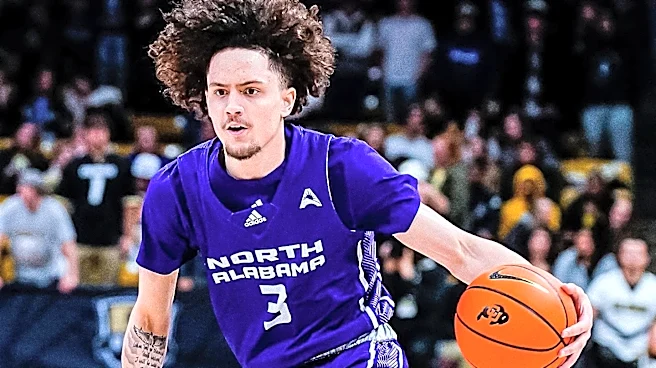
such as basketball, volleyball, soccer, baseball, and softball, along with select conference championships. Subscribers can access SLN through the Midco Sports Plus 1 or All In streaming pass via its website or supported applications. While SLN offers broad coverage, it does not include all games involving conference schools. Certain matchups are broadcast on other networks due to national TV selections or media rights held by host schools or event organizers. For instance, CBS Sports Network carries some men's and women's regular-season basketball games, as well as select tournament semifinals and both conference championship games under the current Summit League TV agreement. Non-conference road and neutral-site games may also be subject to the media rights of the host, potentially leading them to different networks or streaming services.
Why It's Important?
The existence and operation of the Summit League Network are crucial for fans of collegiate sports within the U.S., particularly those following teams in the Summit League. It centralizes access to a significant volume of live events, making it easier for supporters to engage with their favorite teams and sports. This dedicated streaming service enhances the visibility of smaller conference sports, which might otherwise receive limited national broadcast attention. The network's comprehensive coverage of multiple sports contributes to the overall fan experience and helps promote the athletic programs within the league. However, the fragmentation of broadcast rights, where some games are aired on national networks like CBS Sports Network or other streaming services, means that fans may need to subscribe to multiple platforms or consult official schedules to ensure they can watch all desired games. This highlights the evolving landscape of sports broadcasting, where conference-specific networks coexist with broader national and regional agreements, impacting accessibility and viewership for U.S. sports enthusiasts.
What's Next?
As the 2026-27 season approaches, fans of Summit League sports will need to familiarize themselves with the network's schedule and any additional broadcast agreements for specific games. For example, a Cowgirl basketball game against South Dakota State on November 15 is scheduled to air on the Summit League Network. Other games, particularly those nationally selected or non-conference matchups, will be broadcast on different platforms, requiring viewers to check individual event details. The continued evolution of media rights and streaming technology suggests that the distribution of sports content will remain dynamic. The Summit League Network will likely continue to adapt its offerings and partnerships to maximize viewership and revenue, potentially exploring new features or expanding its reach. The ongoing trend of players transferring between programs, as noted in the context of the Summit League's recent performance, could also influence the competitive balance and fan interest in the league's various sports, impacting the network's content strategy.
Beyond the Headlines
The proliferation of conference-specific streaming networks like the Summit League Network reflects a broader trend in U.S. sports media towards niche content and direct-to-consumer models. This shift allows conferences to control their content, generate revenue, and cater directly to their fan bases, fostering a stronger sense of community and loyalty. However, it also contributes to the increasing complexity and cost for consumers who wish to follow a wide range of sports or teams, as they may need to subscribe to multiple services. The balance between providing comprehensive coverage through a dedicated platform and leveraging national broadcasts for broader exposure is a strategic challenge for conferences. The success of SLN and similar networks will depend on their ability to deliver high-quality content, maintain affordable subscription models, and effectively navigate the competitive media landscape, ultimately shaping how U.S. collegiate sports are consumed in the digital age.