







What's Happening?
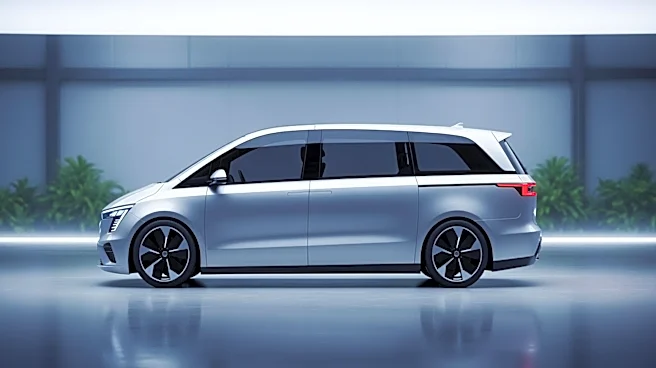
Nissan is implementing a new strategy to reduce its vehicle development cycle from 55 months to 30 months, inspired by its joint venture with Dongfeng in China. This approach, which was successfully applied to the Dongfeng Nissan N7 electric vehicle,
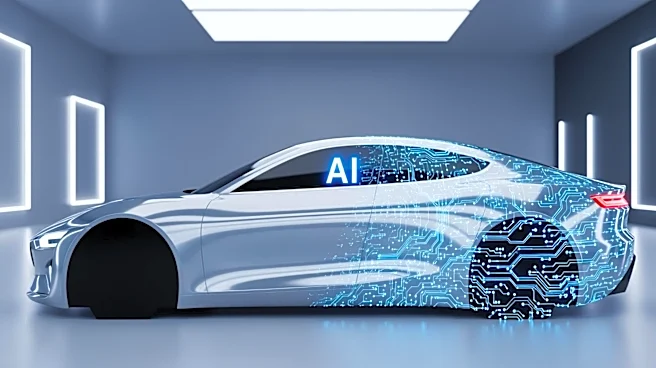
involves integrating artificial intelligence across design, testing, and manufacturing phases. The next-generation Skyline, developed in just 26 months, will be the first global model under this new strategy. Nissan plans to apply this method to 90% of its vehicle programs by fiscal 2026. The strategy also includes platform consolidation, aiming to cover 80% of global sales with three vehicle families sharing standardized components.
Why It's Important?
This development is significant as it highlights the increasing influence of China's automotive industry on global standards, particularly in terms of technology and cost competitiveness. By adopting a faster development cycle, Nissan aims to remain competitive in a rapidly evolving market where Chinese manufacturers frequently update features. This strategy is crucial for Nissan's financial recovery, as the company faces declining sales and reputational challenges. The move also reflects a broader industry trend, with other automakers like Stellantis and Volkswagen also seeking to reduce development times to stay competitive.
What's Next?
Nissan's future collaborations, particularly with Honda, could further influence its development strategies. Talks are ongoing, with potential announcements regarding North American production collaboration expected soon. The success of this strategy will depend on its ability to maintain quality while reducing development time, and how well it can integrate with existing and future partnerships.