
What's Happening?
The 2026 Farnborough Airshow has showcased unexpected airline orders and a sense of optimism among industry players, despite high uncertainty. Analysts, including Bain & Co. partner Jim Harris, noted the
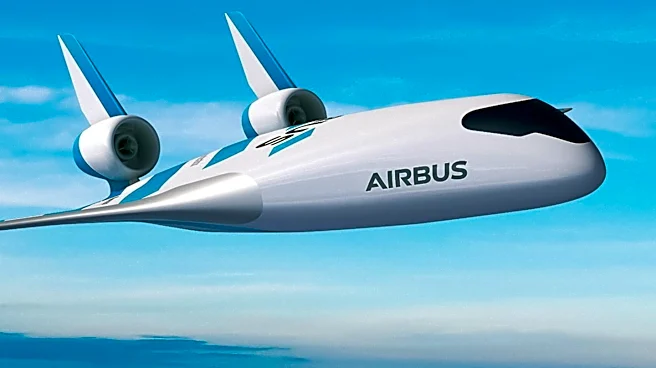
strong backlogs and the surprising confidence of airlines. The show highlighted the importance of lessor orders, which provide a buffer for airlines facing long lead times. Additionally, technological advancements were a key focus, with engine OEMs demonstrating progress in hybrid engine ground tests and flights. This indicates a shift from theoretical designs to tangible advancements in next-generation aircraft technologies.
Why It's Important?
The developments at the Farnborough Airshow are crucial for the aviation industry, signaling a potential shift in airline strategies and technological priorities. The unexpected airline orders suggest a robust demand for new aircraft, which could drive production increases and reduce backlog wait times. This is significant for airlines seeking flexibility in fleet management. The technological advancements in propulsion systems indicate a move towards more sustainable and efficient aircraft, aligning with evolving industry priorities. These changes could lead to a more balanced approach in evaluating new aircraft, considering factors like fuel efficiency, reliability, and maintenance costs.
What's Next?
As the aviation industry continues to evolve, stakeholders will likely focus on reducing backlog wait times and integrating new technologies into aircraft designs. Airlines may adjust their procurement strategies to secure positions in production queues, while manufacturers work to increase production rates. The progress in hybrid engine technologies could lead to new aircraft designs, potentially transforming the market landscape. Industry players will need to balance innovation with operational reliability, as they adapt to changing priorities and technological advancements.