



What's Happening?
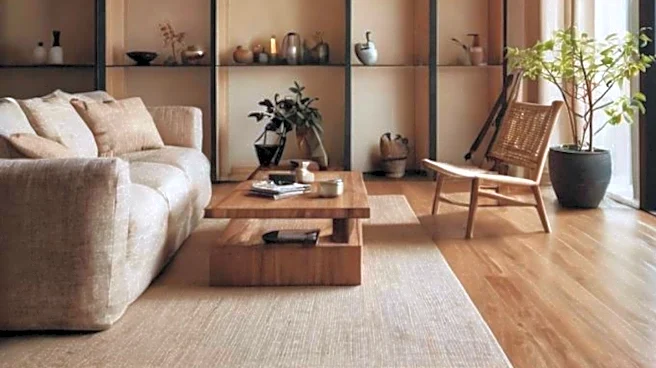
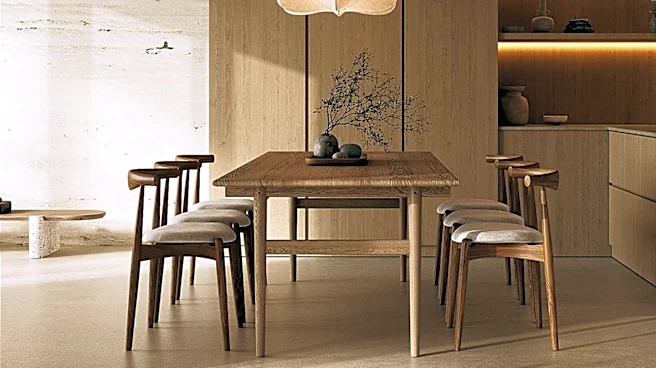
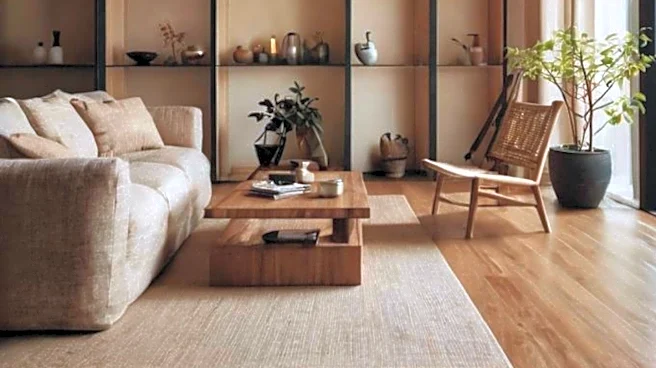
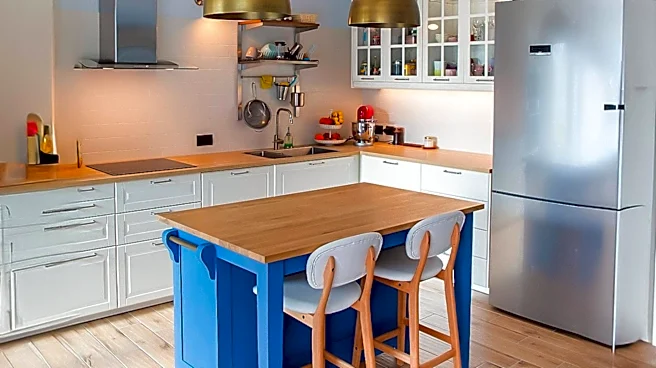
Japandi style, a fusion of Japanese minimalism and Scandinavian warmth, is gaining prominence in home design, particularly for entryways, kitchens, and overall interior remodels. This aesthetic emphasizes natural materials, muted colors, clean lines,
and intentional storage to create calm, uncluttered spaces. Key elements include pale oak, woven fibers, ceramic vessels, and diffused lighting. The style prioritizes restraint, suggesting a single statement piece like a bonsai or olive branch over crowded decor. It also incorporates subtle scents such as hinoki, cedar, or sandalwood to enhance the mood. This design approach is being applied across various home areas, from narrow hallways to wider foyers, and is adaptable for both homeowners and renters, focusing on functionality and a serene transition between indoor and outdoor environments.
Why It's Important?
The rise of Japandi style reflects a broader societal shift towards mindfulness, decluttering, and a desire for tranquil living spaces in the U.S. This trend impacts the interior design industry, influencing product development in furniture, decor, and materials. Manufacturers and retailers are likely to see increased demand for items that align with Japandi principles, such as light-toned wood furniture, natural fiber textiles, and minimalist ceramic pieces. For consumers, adopting Japandi can lead to more organized and calming home environments, potentially reducing stress and enhancing well-being. The emphasis on natural materials also aligns with growing environmental consciousness, promoting sustainable choices in home furnishings. Furthermore, the style's adaptability to various space sizes, including small apartments, makes it accessible to a wide demographic, potentially democratizing sophisticated design.
What's Next?
As Japandi style continues to gain traction, expect to see its principles integrated into more mainstream home design offerings. Interior designers and home improvement platforms will likely feature more Japandi-inspired concepts and products. There may be an increase in workshops and online resources dedicated to helping individuals implement this style in their homes, catering to both DIY enthusiasts and those seeking professional guidance. The real estate market might also see properties staged or renovated with Japandi elements to appeal to a broader range of buyers seeking modern, serene living spaces. Additionally, the influence of Japandi could extend beyond residential interiors to commercial spaces, such as offices and hospitality venues, aiming to create more calming and productive environments.
Beyond the Headlines
Beyond its aesthetic appeal, Japandi style embodies a deeper philosophical approach to living, drawing from Japanese wabi-sabi and Scandinavian hygge. Wabi-sabi celebrates imperfection and transience, while hygge focuses on coziness and contentment. This blend encourages a mindful consumption pattern, where quality and longevity are prioritized over quantity, and objects are chosen for their intrinsic beauty and utility. The style's emphasis on decluttering and intentional living can foster a greater appreciation for simplicity and reduce consumerism. Ethically, it promotes craftsmanship and natural materials, potentially supporting local artisans and sustainable production practices. Culturally, it represents a harmonious cross-cultural exchange, demonstrating how design can bridge different traditions to create universally appealing and meaningful spaces.