







What's Happening?
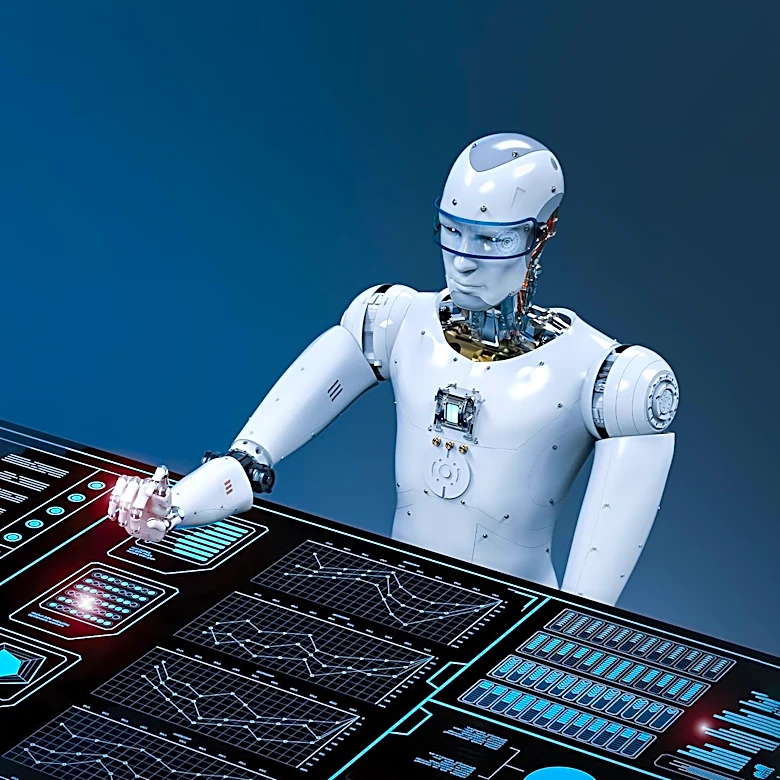
Recent advancements in artificial intelligence (AI) have led to the development of autonomous AI agents capable of acting without human intervention, raising significant security concerns. Menlo Security, a cybersecurity firm, has highlighted the risks
associated with AI agents that can execute tasks without human oversight. These agents can potentially bypass security checkpoints, leading to vulnerabilities such as prompt injection, where malicious instructions are embedded in seemingly benign content. This development is part of a broader trend where AI is increasingly used in cybersecurity, with companies like OpenAI and Anthropic advancing AI capabilities for both defensive and potentially harmful purposes. The dual-use nature of these technologies means they can be beneficial for cybersecurity but also pose risks if misused.
Why It's Important?
The rise of autonomous AI agents in cybersecurity is significant as it represents a shift in how security protocols are managed. The ability of AI to act independently could streamline processes and improve efficiency, but it also introduces new vulnerabilities. The potential for AI to execute unauthorized actions without human oversight could lead to data breaches and other security incidents. This development is crucial for businesses and industries that rely on secure data management, as it necessitates a reevaluation of current security measures and the implementation of new strategies to mitigate risks. The dual-use nature of AI technologies underscores the need for careful regulation and oversight to prevent misuse.
What's Next?
As AI technologies continue to evolve, companies and cybersecurity experts will need to develop new frameworks to manage the risks associated with autonomous AI agents. This includes establishing clear guidelines for AI use, enhancing monitoring systems to detect unauthorized actions, and ensuring that human oversight remains a critical component of AI deployment. The cybersecurity industry may also see increased collaboration between AI developers and security experts to create solutions that balance innovation with safety. Additionally, regulatory bodies may need to step in to establish standards and protocols to govern the use of AI in sensitive areas.
Beyond the Headlines
The ethical implications of autonomous AI agents are profound, as they challenge traditional notions of accountability and control in cybersecurity. The potential for AI to act independently raises questions about liability in the event of a security breach. Furthermore, the rapid pace of AI development may outstrip existing legal and regulatory frameworks, necessitating a reevaluation of how these technologies are governed. The cultural impact is also significant, as society grapples with the implications of machines making decisions without human input.