

What's Happening?
College campuses across the U.S. are experiencing a surge in 'wellness darties' (day parties), where students engage in health-focused activities instead of traditional substance-heavy gatherings. Young entrepreneurs like Aydan Child, founder of Peak
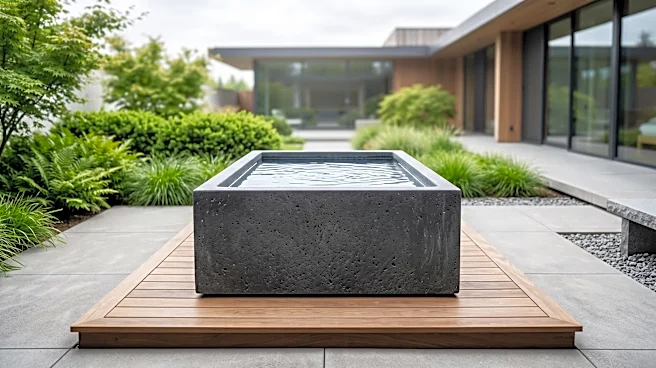
Pulse, and Martin Moćs, founder of Sweat and Soak, are leading this trend by organizing events that feature cold plunges, saunas, workout classes, and brand sponsorships from companies like Lululemon, Red Bull, and Celsius. These events are particularly popular within Greek life organizations, which pay thousands of dollars to host them. Students are reportedly replacing marijuana with 'runner's highs' and focusing on mental and physical well-being. While some older generations express confusion or criticism, Gen Z students assert that this shift reflects a different mindset towards mental health and wellness, viewing it as the future of college life. Organizers emphasize that these events offer alternatives to constant drinking, promoting balance rather than complete abstinence.
Why It's Important?
This shift towards wellness darties signifies a notable cultural change among Gen Z college students, impacting social norms, campus life, and the business landscape. The rise of these events highlights a growing market for health and wellness products and services targeted at young adults, attracting major brands seeking to connect with this demographic. It also challenges traditional perceptions of college social life, potentially leading to a healthier campus environment with reduced substance abuse. For businesses, this trend opens new avenues for marketing and product development in the wellness sector. The criticism from older generations underscores a generational divide in attitudes towards recreation and well-being, suggesting broader societal shifts in how health is prioritized and integrated into daily life. This movement could influence future campus policies and resource allocation towards wellness initiatives.
What's Next?
The 'wellness darty' trend is expected to continue expanding across U.S. college campuses, with companies like Peak Pulse and Sweat and Soak planning college tours and further national expansion. Major brands, including Celsius, are actively seeking formal partnerships with these wellness event organizers, indicating increased corporate investment in this space. As the movement gains traction, more entrepreneurs may enter the market, offering diverse wellness experiences tailored to student preferences. Universities might also begin to integrate these types of events into their official student life programming, recognizing the demand for healthier social alternatives. The ongoing dialogue between Gen Z and older generations regarding these new social norms will likely continue, potentially leading to a broader re-evaluation of college culture and student well-being initiatives.
Beyond the Headlines
Beyond the immediate popularity of wellness darties, this trend reflects deeper societal shifts in Gen Z's values, particularly their emphasis on mental health, self-care, and conscious consumption. The integration of philanthropy, such as Sweat and Soak's partnerships with breast cancer awareness organizations, suggests a desire among young people to combine social activities with meaningful causes. This movement also highlights the entrepreneurial spirit within Gen Z, as young graduates are identifying and capitalizing on emerging cultural needs. The 'wellness darty' phenomenon could be a precursor to broader changes in how future generations approach social gatherings, work-life balance, and overall well-being, moving away from purely hedonistic pursuits towards more holistic and purpose-driven experiences. It also raises questions about the long-term impact on the alcohol industry and traditional party culture.