



What's Happening?
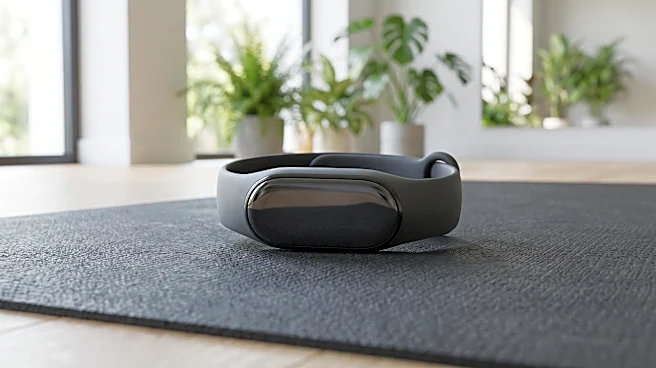
For athletes seeking continuous 24/7 recovery monitoring without recurring subscription fees, the Polar Loop is presented as a viable alternative to services like WHOOP. This device, priced at $199.99 as a one-time purchase, offers features such as Sleep
Plus Stages, Nightly Recharge (an HRV-based recovery score), and Training Load Pro. It boasts an 8-day battery life and a lightweight design, making it suitable for constant wear. While it lacks the in-depth coaching found in some subscription-based models and does not include GPS, its solid recovery metrics are highlighted as a key benefit. The Polar Loop aims to provide essential recovery data for athletes who already use a GPS watch for workouts but desire dedicated recovery tracking without additional ongoing costs.
Why It's Important?
The availability of the Polar Loop as a subscription-free option for recovery monitoring is significant for athletes and the broader fitness technology market. It addresses a growing demand for advanced health tracking without the financial commitment of annual or monthly fees, which can accumulate to substantial amounts over time. For athletes, this means access to crucial data like sleep quality, heart rate variability (HRV), and training load, which are vital for optimizing performance and preventing overtraining, at a more accessible price point. This model could pressure other fitness tracker companies to reconsider their subscription strategies or offer more competitive one-time purchase options, potentially leading to a more diverse and consumer-friendly market for athletic monitoring devices. It particularly benefits those who prioritize data over extensive coaching or integrated GPS in their recovery-specific device.
What's Next?
The presence of devices like the Polar Loop could influence future trends in the fitness tracker industry, potentially encouraging more manufacturers to offer robust, one-time purchase options for specialized monitoring. Consumers, particularly athletes, may increasingly seek out devices that provide essential data without long-term financial commitments, leading to a shift in market preferences. This could also spur innovation in how recovery data is presented and utilized, as companies compete to offer valuable insights without relying solely on subscription-based coaching. The success of models like the Polar Loop might also prompt a re-evaluation of pricing structures for premium fitness tracking services, potentially leading to more flexible or tiered subscription plans that cater to a wider range of user needs and budgets.
Beyond the Headlines
The emergence of subscription-free, dedicated recovery trackers like the Polar Loop highlights a broader philosophical debate within the health and fitness technology sector: the value proposition of data versus coaching. While many high-end trackers offer extensive coaching and personalized recommendations, the Polar Loop suggests a market segment that values raw, actionable data for self-interpretation or integration with existing training methodologies. This trend could empower athletes to take a more active role in understanding and applying their recovery metrics, fostering greater self-awareness and autonomy in their training regimens. It also raises questions about data ownership and privacy, as users might prefer devices that offer robust functionality without requiring continuous data sharing or subscription-based cloud services. This shift could lead to a more discerning consumer base that prioritizes transparency and control over their personal health data.