




What's Happening?
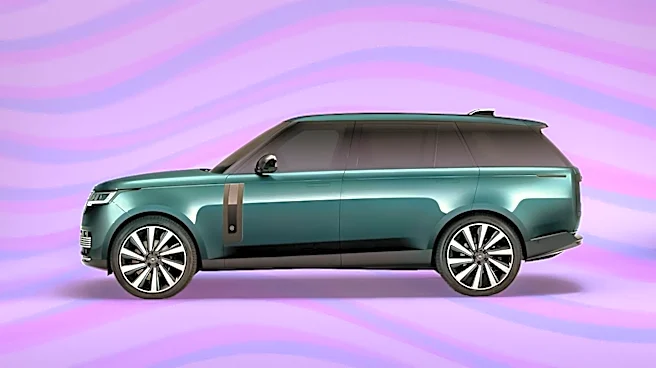
Land Rover has unveiled the 2027 Range Rover Electric, marking the brand's entry into the fully electric SUV market with its flagship model. This new electric variant, while visually similar to its gasoline-powered counterpart, features a dual-motor setup
delivering 542 horsepower and standard all-wheel drive. A large 118.5-kWh battery pack is integrated beneath the floorboards, providing an EPA-estimated range of 333 miles per charge. The vehicle supports 350-kW DC fast charging, allowing it to recharge from 10 to 80 percent in approximately 22 minutes. The interior maintains the luxury expected from a Range Rover, offering options for sustainable cabin materials like wool or other textiles in addition to traditional leather. The vehicle also includes an electronic traction management system that reacts to wheel slip in 50 milliseconds and a height-adjustable air-spring suspension for off-road capabilities.
Why It's Important?
The introduction of the 2027 Range Rover Electric signifies a significant shift in the luxury SUV market towards electrification, impacting both consumer choices and automotive manufacturing strategies. For the U.S. market, this vehicle offers a high-end electric option that combines luxury with substantial range and fast-charging capabilities, potentially accelerating the adoption of EVs among affluent consumers. It also demonstrates how established automotive brands are adapting to environmental regulations and evolving consumer demands for sustainable transportation. The focus on advanced battery technology and rapid charging infrastructure highlights the ongoing investment and innovation in the electric vehicle ecosystem, which could drive further development in charging networks and battery efficiency across the industry. The availability of sustainable interior materials also reflects a broader trend in the automotive sector towards eco-conscious production and design.
What's Next?
Following its introduction, the 2027 Range Rover Electric will likely undergo further testing and reviews to confirm its performance and range claims in real-world conditions. Land Rover will focus on marketing its advanced features, including its off-road capabilities and luxurious electric experience, to attract buyers in the competitive EV market. The success of this model could influence future electrification plans for other vehicles within the Land Rover lineup and potentially other luxury automotive brands. Consumers can anticipate more details regarding pricing and specific trim levels as the launch date approaches. The vehicle's performance in the market will also provide valuable data on the demand for high-end electric SUVs and the effectiveness of current charging infrastructure in supporting such vehicles.
Beyond the Headlines
The Range Rover Electric's debut extends beyond mere product launch, touching upon broader themes of sustainability and technological integration in the automotive industry. The option for leather-free interiors underscores a growing ethical and environmental consciousness among consumers and manufacturers, pushing for more sustainable material sourcing. The vehicle's advanced electronic traction management system and adaptive suspension highlight the increasing sophistication of automotive technology, blending traditional off-road prowess with electric powertrain advantages. This move by Land Rover also reflects the ongoing challenge for luxury brands to maintain their identity and appeal while transitioning to electric platforms, balancing heritage with innovation. The long-term impact could include a redefinition of luxury in the automotive sector, where environmental responsibility and cutting-edge technology become as crucial as performance and comfort.