










What's Happening?
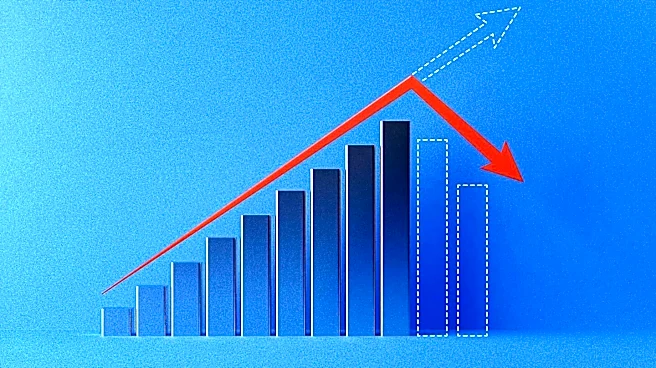
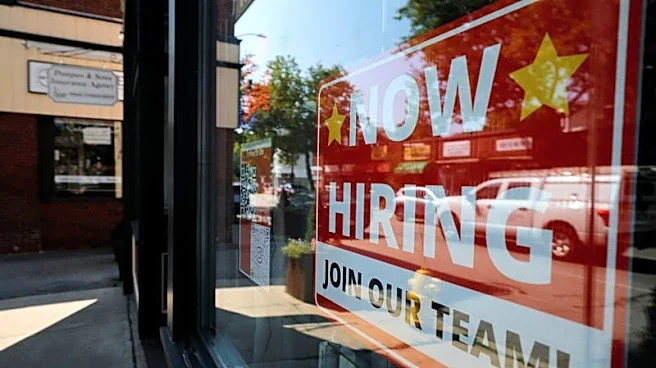
The U.S. economy added 57,000 jobs in June, falling short of expectations and indicating a slowdown in the labor market. The unemployment rate decreased to 4.2%, but this was partly due to a shrinking labor force rather than widespread hiring. The U.S. Bureau
of Labor Statistics also revised April and May job gains downward by 74,000 jobs. Despite these figures, the labor market is in a better position than in late 2025, when job losses averaged 8,000 per month. Economists note that job growth is concentrated in a few sectors, with healthcare and construction seeing gains, while leisure and hospitality experienced a decline.
Why It's Important?
The slower job growth in June suggests a cautious phase in the U.S. labor market, raising concerns about economic stability. The shrinking labor force, driven by retirements and reduced immigration, poses challenges for sustained economic growth. Wage growth continues to lag behind inflation, affecting household purchasing power. The concentration of job growth in specific sectors highlights the uneven nature of the recovery, with some industries struggling to rebound. These trends could influence future economic policies and labor market strategies, as stakeholders seek to address the underlying issues affecting employment and economic resilience.
What's Next?
Economists and policymakers will likely monitor the labor market closely, focusing on factors such as wage growth, labor force participation, and sector-specific trends. The impact of AI and digital transformation on job demand will also be a key area of interest, as these technologies reshape workforce needs. Efforts to boost labor force participation, particularly among younger workers, may become a priority to ensure a balanced recovery. Additionally, addressing inflationary pressures and their impact on wages will be crucial for maintaining economic stability.