

What's Happening?
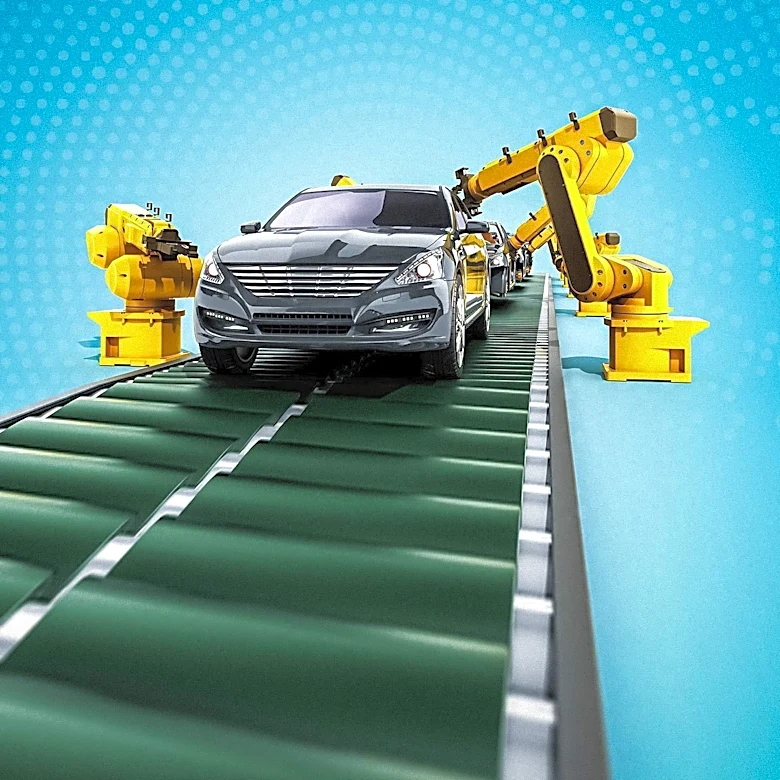
Hyundai Motor Company, along with its various subsidiaries, is a prominent global entity engaged in the production and distribution of motor vehicles and their components. The company's business is structured into three primary segments: Vehicle, Finance,
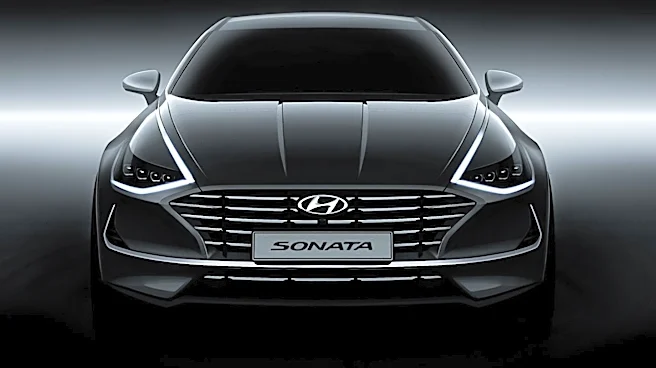
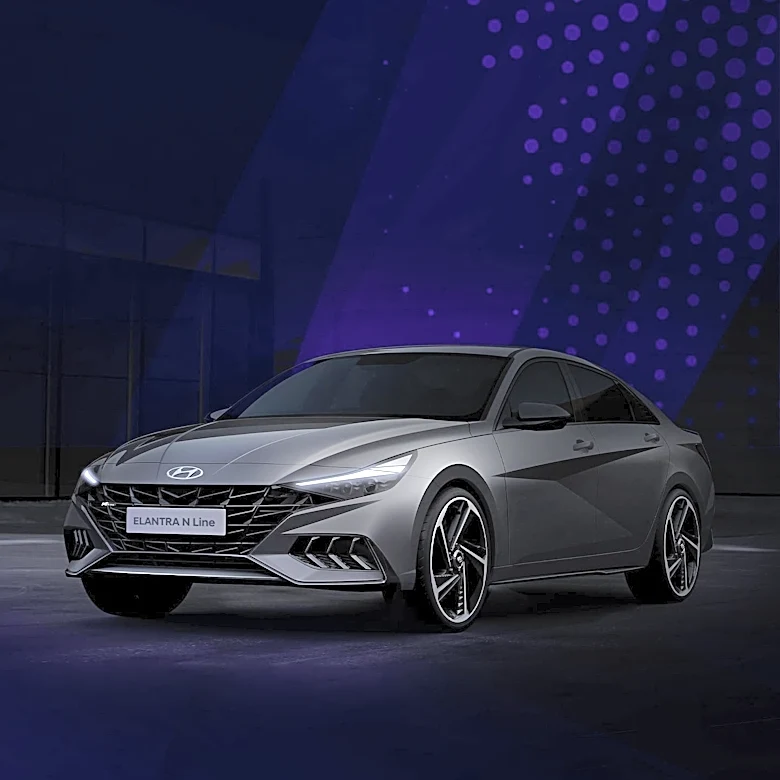
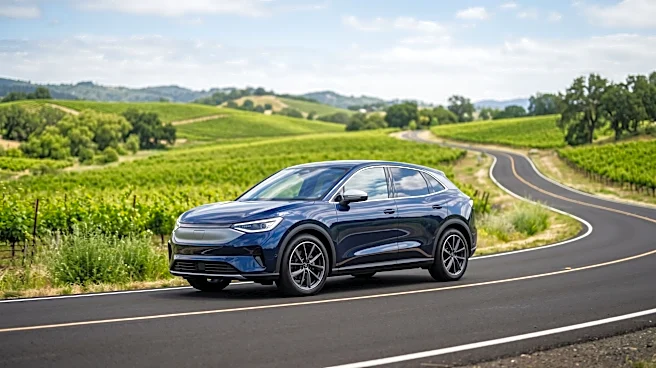
and Others. Its extensive vehicle portfolio includes a wide array of car models such as ELANTRA, SONATA, and i30, alongside a growing selection of eco-friendly vehicles like the IONIQ 5, IONIQ 6, and hybrid versions of popular SUVs and sedans. Hyundai also manufactures SUVs (PALISADE, TUCSON, KONA), MPVs (STARIA), and commercial vehicles (STARIA, H-1, H-100), in addition to its performance-oriented N series and N Line vehicles. Beyond its core automotive manufacturing, Hyundai Motor Company provides vehicle financing, credit card processing, and other financial services. The company's 'Other' segment encompasses diverse activities such as train manufacturing, marketing, engineering, mobility services, logistics, and insurance. Hyundai also owns and operates a football club and is actively involved in research and development, investment, racing teams, and real estate development. The company was founded in 1967 and maintains its headquarters in Seoul, South Korea.
Why It's Important?
Hyundai Motor Company's broad operational scope and global presence make it a significant force in the automotive industry and beyond. Its commitment to developing a wide range of vehicles, from traditional gasoline-powered cars to advanced electric and hybrid models, positions it to adapt to evolving consumer demands and regulatory environments worldwide, including in the U.S. The company's substantial investment in eco-vehicles underscores a strategic pivot towards sustainable transportation, which can influence market trends and push competitors to accelerate their own green initiatives. Furthermore, Hyundai's diversification into financial services, logistics, and even sports provides multiple revenue streams and enhances its overall economic resilience. This integrated approach allows Hyundai to exert influence across various sectors, impacting supply chains, employment, and technological innovation on a global scale. Its activities directly affect the choices available to U.S. consumers and the competitive landscape for domestic and international automakers.
What's Next?
Hyundai Motor Company is poised to continue its aggressive expansion in the electric vehicle (EV) market, with plans for new model introductions and technological advancements in battery and charging solutions. This focus will likely intensify competition within the U.S. EV sector, potentially leading to more affordable and diverse options for consumers. The company's ongoing research and development efforts are expected to yield innovations in autonomous driving, connectivity, and advanced safety features, which will gradually be integrated into its future vehicle lineups. Hyundai will also likely continue to adapt its global manufacturing and supply chain strategies to navigate geopolitical shifts and ensure resilience against disruptions. Its financial services division will remain crucial in supporting vehicle sales through various financing and leasing programs, influencing consumer purchasing power. Furthermore, Hyundai's commitment to sustainability will drive further investments in eco-friendly manufacturing processes and materials.
Beyond the Headlines
Hyundai Motor Company's extensive global footprint and diversified business model reveal deeper implications for economic development and technological progress. Its role as a major employer and investor in numerous countries, including the U.S. through its manufacturing plants and dealerships, contributes significantly to local economies and job creation. The company's push towards clean mobility not only addresses environmental concerns but also drives innovation in related industries, such as battery technology and renewable energy infrastructure. Hyundai's engagement in diverse fields like sports and real estate development showcases a holistic corporate strategy that aims to build brand loyalty and integrate into various aspects of consumer life. This broad approach allows Hyundai to influence cultural trends and consumer lifestyles, extending its impact beyond just the automotive sector. Its continuous technological advancements also contribute to the broader evolution of smart transportation systems and urban planning.