
What's Happening?
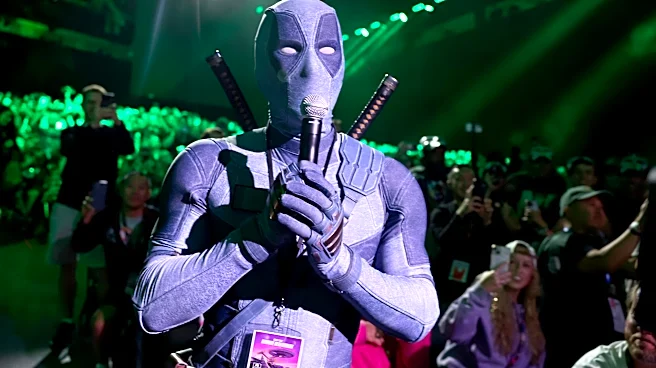
Actor Ryan Reynolds is currently experiencing a fresh wave of criticism following the resurfacing of an old video depicting a prank he played on his 'Deadpool 2' makeup team. The clip, originally shared in 2019 on the film's official social media, shows
Reynolds having elaborate prosthetic makeup applied to transform him into Wade Wilson. After the lengthy application process, Reynolds pretends to be dissatisfied, stating, "It's all wrong. We're going to need to start again, guys." He then proceeds to tear off the prosthetics, undoing hours of work. The video, recently re-shared by Evie Magazine on TikTok, has gone viral again across various social media platforms. Reports suggest Reynolds was aware that filming for the day had been canceled before allowing the team to complete the makeup application, only to reveal it was a joke. The footage shows some crew members reacting with frustration, with one reportedly throwing down a brush and exclaiming, "[Expletive] this!" Social media users are widely condemning the prank, labeling it as "bullying," "cruel," and "disrespectful."
Why It's Important?
This resurfaced incident highlights the ongoing scrutiny celebrities face regarding their conduct on set and their interactions with production crews. In an era where social media amplifies past actions, even seemingly minor incidents can lead to significant public relations challenges and damage a celebrity's image. For the entertainment industry, such backlash underscores the importance of fostering respectful and professional working environments, particularly between high-profile talent and behind-the-scenes personnel. The criticism directed at Reynolds reflects a broader societal shift towards greater accountability for those in positions of power, emphasizing that actions perceived as disrespectful or abusive towards subordinates can have lasting negative consequences. This event could influence how studios and production companies manage talent behavior and promote ethical conduct on film sets, potentially leading to stricter guidelines or increased awareness campaigns to prevent similar incidents.
What's Next?
The immediate consequence for Ryan Reynolds is continued public criticism and potential damage to his public image, particularly as the video continues to circulate on social media platforms like TikTok and X. While there's no indication of formal repercussions from studios or production companies at this time, the sustained negative attention could impact future endorsement deals or public perception of his professional demeanor. The incident may also prompt further discussions within the entertainment industry about power dynamics on film sets and the treatment of crew members. Other celebrities might become more cautious about their on-set behavior, especially concerning pranks or interactions that could be perceived as demeaning. The ongoing social media discourse will likely keep the issue in the public eye, potentially influencing fan sentiment and critical reception of his upcoming projects.
Beyond the Headlines
The controversy surrounding Ryan Reynolds' prank delves into deeper ethical considerations regarding workplace conduct and the power imbalances inherent in hierarchical industries like film production. The reactions from social media users, who describe the act as "bullying" and "abusive," underscore a growing intolerance for behavior that exploits or disrespects the labor of others, regardless of intent. The fact that crew members reportedly walked away in frustration or expressed expletives suggests a genuine negative impact, challenging the notion that such pranks are harmless. This incident also reflects a cultural shift where the line between a 'joke' and 'disrespectful behavior' is increasingly drawn based on the impact on the recipient, rather than solely the intent of the perpetrator. It raises questions about the responsibility of high-profile individuals to maintain professional decorum and respect for all colleagues, especially those in less powerful positions, and how such incidents contribute to broader conversations about workplace ethics and employee well-being in creative industries.