






What's Happening?
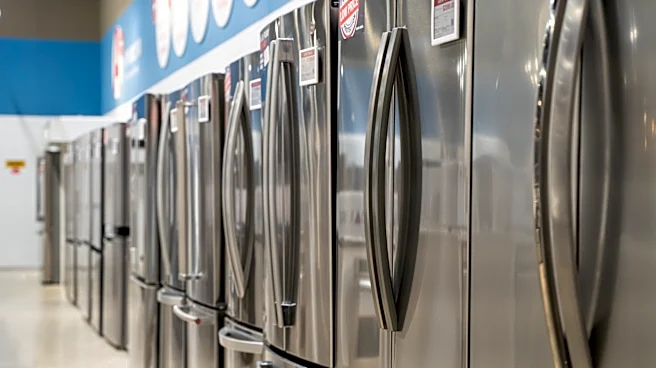
When selecting a refrigerator, consumers are advised to prioritize energy efficiency and consider various configurations to suit their needs. Energy-efficient models, such as bottom-freezer units, often offer a more streamlined visual and lower operational
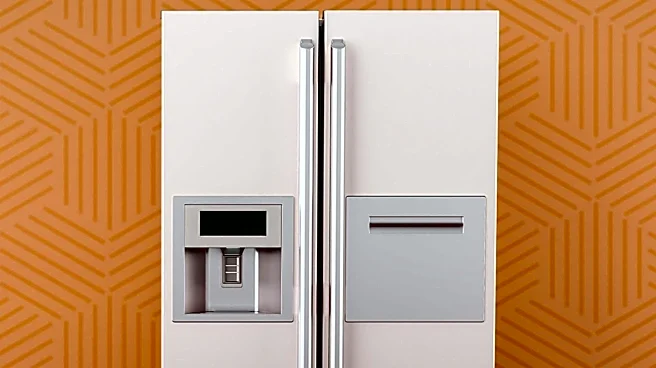
costs. The traditional top-mount refrigerators are generally the most economical and space-efficient, while French door models are popular for their wide shelf area and ergonomic design. Side-by-side refrigerators provide easy access to both frozen and fresh foods. Understanding the nuances of refrigeration technology, including compressor placement, cooling zones, and energy performance, is crucial. An Energy Star rating is a key indicator of proper electrical power consumption, potentially saving hundreds of dollars in energy costs over a ten-year lifespan. Modern high-end refrigerators often feature dual-evaporator systems to maintain independent humidity levels and prevent odor transfer.
Why It's Important?
The choice of a refrigerator has significant long-term implications for household budgets and environmental impact. As refrigerators operate 24 hours a day, selecting an energy-efficient model directly translates to reduced electricity consumption and lower utility bills for consumers. This financial benefit is particularly important for budget-conscious households. Furthermore, the widespread adoption of energy-efficient appliances contributes to broader energy conservation efforts, reducing the strain on power grids and decreasing carbon emissions. The various configurations cater to diverse kitchen layouts and user preferences, ensuring functionality and convenience. Investing in a well-chosen refrigerator also means better food preservation, reducing food waste, and enhancing overall household efficiency, making it a critical decision for modern living.
What's Next?
Consumers are encouraged to thoroughly research and compare models based on energy efficiency ratings, configuration, and specific features before making a purchase. Manufacturers are likely to continue innovating in energy-saving technologies and smart features to meet evolving consumer demands and regulatory standards. The trend towards more sophisticated cooling systems, such as dual-evaporator designs, will likely become more prevalent, offering enhanced food preservation. As technology advances, smart refrigerators with features like internal cameras and inventory tracking may become more common, though consumers will need to weigh the convenience against potential complexities and reliability concerns. The emphasis on sustainability and cost savings will continue to drive the market towards more efficient and environmentally friendly refrigeration solutions.
Beyond the Headlines
Beyond the immediate financial and environmental benefits, the evolution of refrigerator technology reflects broader societal shifts towards sustainability and smart home integration. The focus on energy efficiency is not just about cost savings but also about a collective responsibility to reduce energy consumption and mitigate climate change. The increasing sophistication of refrigeration systems, such as dual-evaporators, highlights the continuous pursuit of optimal food preservation, which has implications for public health and food security by reducing spoilage. The integration of smart features, while offering convenience, also raises questions about data privacy and the long-term reliability of complex electronics in essential home appliances. Ultimately, the refrigerator, as a central fixture in the modern kitchen, embodies the intersection of technology, economy, and daily life.