


What's Happening?
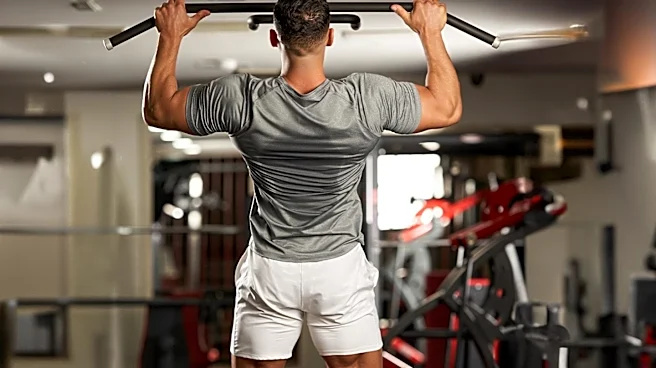
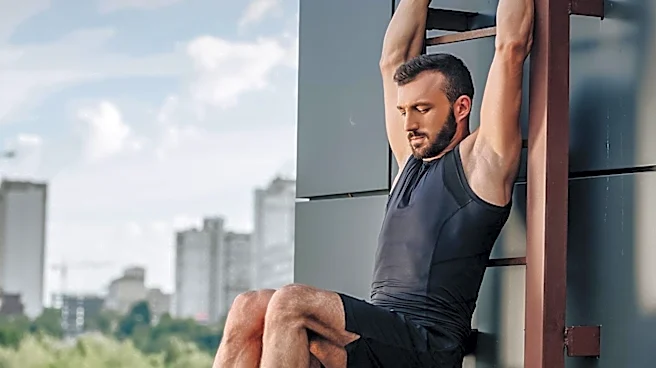
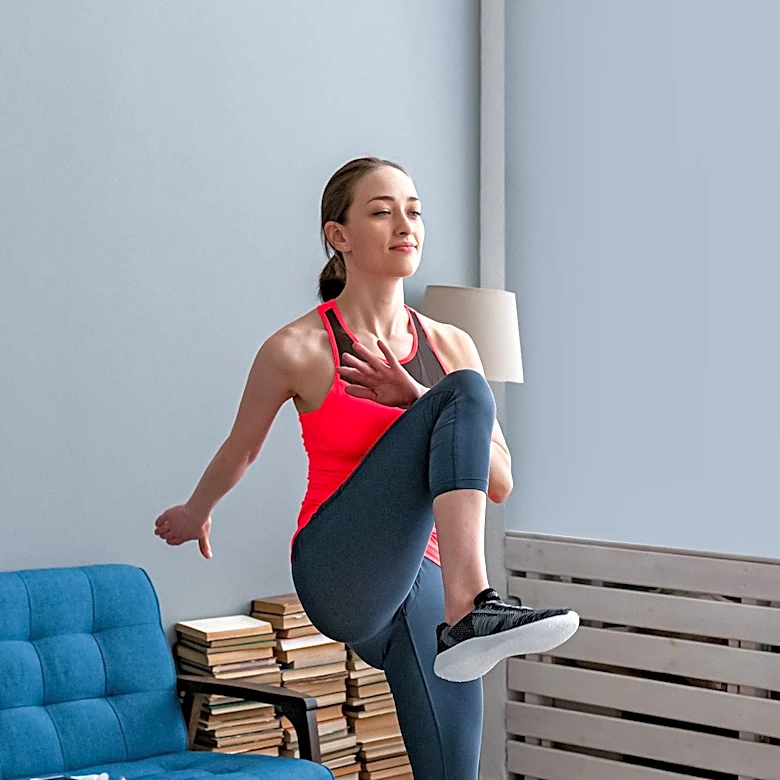
Calisthenics, a form of exercise utilizing one's own body weight, is highly effective for building leg muscle and strength without the need for free weights or gym equipment. This method focuses on manipulating training variables such as unilateral exercises,
range of motion, tempo, pauses, leverage, and explosive movements to increase challenge and promote muscle growth. Examples of calisthenics leg exercises include the Shrimp squat, Nordic curls, Single leg glute bridge, and Squat jump. These exercises can be modified to be more accessible or more challenging, catering to various fitness levels. For instance, the Shrimp squat involves standing on one leg and bending the other behind you while lowering into a single-leg squat, driving through the standing leg to return to a standing position. Nordic curls target hamstrings by kneeling with secured ankles and slowly lowering the torso while maintaining a straight line. The Single leg glute bridge involves lying on your back, planting one foot, extending the other leg, and lifting the hips, aiming to keep them even. Squat jumps are explosive movements that combine strength and speed, involving lowering into a controlled squat and jumping as high as possible before landing softly. These techniques demonstrate that bodyweight training can develop lower body strength, muscular endurance, single-leg strength, balance, control, and mobility through active ranges.
Why It's Important?
The emphasis on calisthenics for leg training is important because it democratizes fitness, making effective strength-building accessible to a wider population without the financial burden of gym memberships or specialized equipment. This approach is particularly beneficial for individuals who may not have access to traditional gyms or prefer to work out at home. By focusing on bodyweight exercises, individuals can achieve significant gains in lower body strength, muscular endurance, and overall physical control. The adaptability of calisthenics exercises, allowing for modifications to increase or decrease difficulty, means that both beginners and advanced practitioners can benefit. This method also promotes a deeper understanding of body mechanics and control, as it requires precise movements and engagement of various muscle groups. Furthermore, the development of power through explosive movements like squat jumps has implications for longevity and functional fitness, contributing to better balance and reduced risk of falls, especially as individuals age. The ability to build and maintain muscle mass through calisthenics also supports overall metabolic health and can be a valuable component of weight management strategies.
What's Next?
The continued exploration and popularization of calisthenics leg exercises are likely to lead to more structured programs and resources for individuals seeking to build lower body strength without equipment. Fitness professionals and trainers may increasingly incorporate these methods into their recommendations, particularly for clients with limited access to gyms or those looking for low-impact alternatives. There could be a rise in online tutorials, apps, and community groups dedicated to bodyweight leg training, further expanding its reach and impact. Research into the specific benefits of calisthenics for different populations, such as older adults or those with certain physical limitations, may also grow, leading to more tailored exercise prescriptions. As awareness of the effectiveness and accessibility of calisthenics spreads, it could influence public health initiatives aimed at promoting physical activity and reducing sedentary lifestyles. The focus on functional strength and mobility offered by calisthenics may also lead to its integration into rehabilitation programs and sports training, providing a versatile and effective approach to physical development.
Beyond the Headlines
Beyond the immediate benefits of muscle building, the embrace of calisthenics for leg training signifies a broader cultural shift towards more accessible and self-sufficient fitness practices. It challenges the conventional notion that significant physical gains require expensive equipment or specialized facilities, empowering individuals to take control of their fitness journey with minimal external resources. This approach fosters a deeper connection between individuals and their bodies, promoting an understanding of how to manipulate one's own weight and leverage for strength development. Ethically, it promotes inclusivity in fitness, breaking down barriers that might prevent people from engaging in physical activity due to cost or location. Environmentally, it reduces the demand for manufactured gym equipment, aligning with more sustainable lifestyle choices. Culturally, it revives ancient forms of physical training, emphasizing mastery of the body rather than reliance on external tools. This shift could lead to a re-evaluation of what constitutes effective exercise and a greater appreciation for the inherent capabilities of the human body, fostering a more holistic and sustainable approach to health and wellness.