




What's Happening?
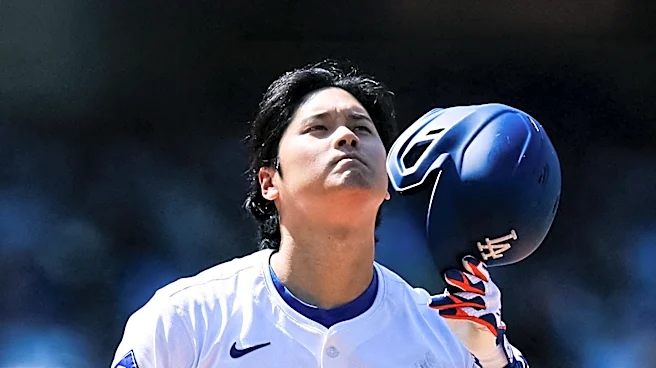
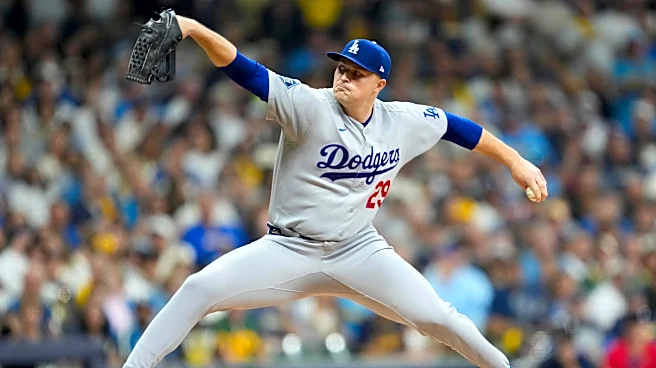
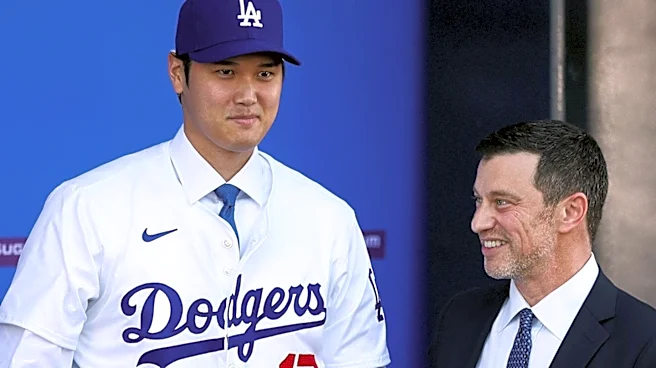
Pittsburgh Pirates pitcher Paul Skenes recently traveled to Japan to investigate the health regimen of Los Angeles Dodgers superstar Shohei Ohtani. Skenes, coming off a challenging season, sought to understand Ohtani's approach to maintaining peak performance,
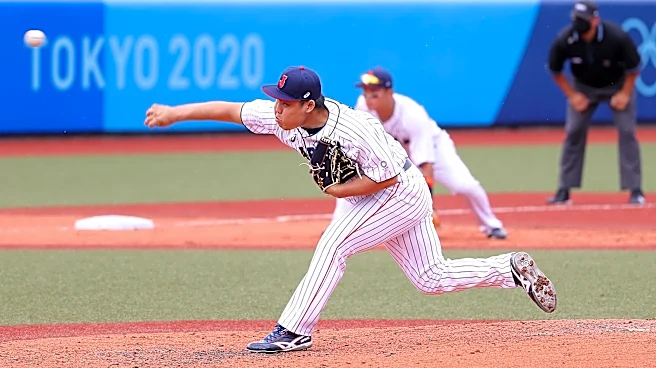
particularly his sleep habits. This trip was not related to gambling but focused on Ohtani's remarkable ability to play two positions throughout an entire MLB season. Skenes visited the Nihonbashi Nishikawa main store in Tokyo, where he underwent a full-body assessment and had custom bedding and a pillow made. He noted Ohtani's reputation for prioritizing sleep and recovery, expressing reassurance in adopting similar top-tier sleep environments. Ohtani reportedly sleeps 12 hours daily, including a two-hour pre-game nap, and uses a custom $3,000 medium-firm mattress and a firmer-than-average custom pillow from Nishikawa, even carrying a portable version for road trips. Skenes also expressed admiration for Yoshinobu Yamamoto, anticipating future competition for the Cy Young Award.
Why It's Important?
This initiative by Paul Skenes highlights a growing trend in professional sports where athletes are increasingly focusing on advanced recovery and health optimization techniques beyond traditional training. Ohtani's success as a two-way player has set a new benchmark, and Skenes's proactive approach to studying his methods underscores the competitive drive to gain any possible edge. For U.S. sports, this could lead to a broader adoption of personalized sleep and recovery strategies, potentially influencing team investments in athlete wellness programs. The emphasis on sleep, custom bedding, and detailed body assessments could become standard practice, impacting sports science and player longevity. This also demonstrates the cross-cultural exchange of best practices in athletic performance, with U.S. athletes looking to international counterparts for innovative approaches. The pursuit of marginal gains in physical and mental conditioning is crucial in high-stakes professional leagues like MLB, where performance directly correlates with career success and team outcomes.
What's Next?
The adoption of Ohtani's sleep and recovery methods by Paul Skenes could inspire other MLB players and professional athletes across various U.S. sports to explore similar personalized wellness strategies. Teams might begin to invest more heavily in advanced sleep technology, custom bedding, and comprehensive athlete health assessments. This could lead to partnerships between sports organizations and companies specializing in sleep science and ergonomic products. Furthermore, the focus on individual recovery plans could become a more prominent aspect of player development and contract negotiations. If Skenes demonstrates improved performance attributed to these changes, it could validate the effectiveness of such regimens and accelerate their integration into mainstream athletic training. The competition for the Cy Young Award between Skenes and Yamamoto, as mentioned by Skenes, will also be closely watched, potentially showcasing the impact of these advanced recovery techniques on elite-level performance.
Beyond the Headlines
Skenes's trip to Japan to study Ohtani's health regimen reflects a deeper cultural shift in professional sports, moving beyond sheer physical talent to a holistic understanding of human performance. It underscores the recognition that recovery, particularly sleep, is as critical as training and nutrition. This development could have broader implications for public health, as high-profile athletes championing sleep optimization might influence general awareness about the importance of sleep for overall well-being. Ethically, it raises questions about the lengths to which athletes will go to gain a competitive advantage, and whether such personalized, high-cost interventions will create a further divide between elite athletes and those with fewer resources. Legally, it could lead to new considerations in player contracts regarding health and wellness clauses. Culturally, it highlights the global nature of sports, where innovations and best practices transcend national borders, fostering a continuous evolution of athletic excellence.