

What's Happening?
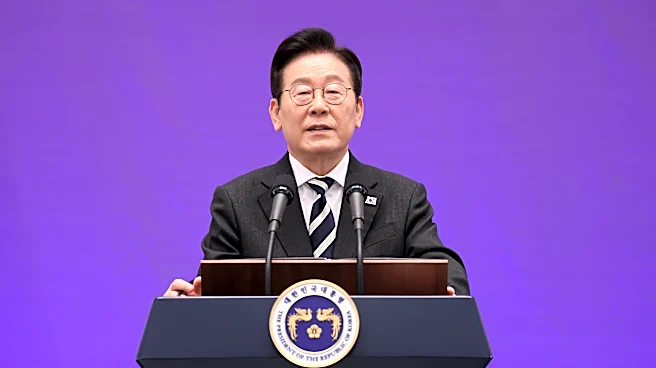
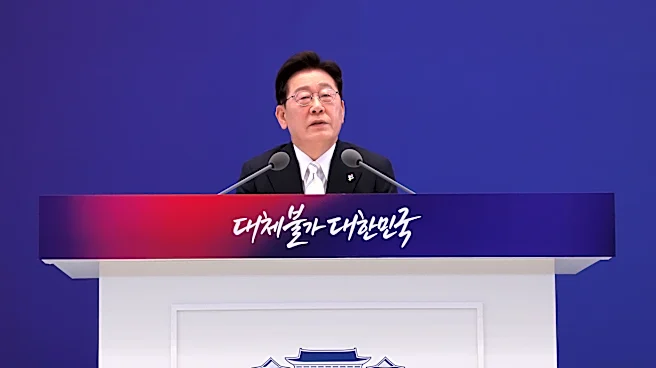
South Korean President Lee Jae Myung has committed to actively supporting the expansion of new export markets for the agricultural industry. This pledge follows South Korea's first shipment of persimmons to China, a milestone achieved after 17 years of negotiations.
President Lee highlighted this development on social media platform X, noting the entry of Korean persimmons into the Chinese market. He emphasized that extending export reach beyond Southeast Asia to China creates new opportunities for local agricultural communities. This diversification of export destinations is intended to reduce reliance on specific markets and introduce Korean agricultural products to a wider consumer base. In a related post, President Lee also expressed strong support for Busan Mayor Chun Jae-soo, as foreign credit card spending in Busan surpassed 1 trillion won ($733.24 million). President Lee reiterated his commitment to backing efforts to develop Busan into a world-class maritime hub, aiming for the city to reclaim its status as Korea's second capital.
Why It's Important?
The expansion of agricultural exports, particularly to a major market like China, holds significant economic importance for South Korea. It provides new revenue streams for farmers and agricultural businesses, potentially stabilizing incomes and fostering growth in rural communities. Reducing dependence on a few key markets mitigates risks associated with regional economic downturns or trade disputes, ensuring greater resilience for the agricultural sector. For consumers in China, it introduces new product varieties, potentially enhancing trade relations between the two countries. Furthermore, President Lee's focus on Busan's development as a maritime hub underscores a broader strategy to boost regional economies and enhance South Korea's global trade infrastructure. Increased foreign spending in Busan indicates growing international interest and economic activity, which could attract further investment and tourism, contributing to national economic growth.
What's Next?
Following President Lee's pledge, the South Korean government is expected to implement policies and initiatives aimed at identifying and securing new export markets for agricultural products. This may involve diplomatic efforts, trade agreements, and promotional campaigns to introduce Korean produce to international consumers. Agricultural producers will likely receive support to meet international standards and increase production capacity for export. For Busan, continued government backing could translate into infrastructure projects, investment incentives, and promotional activities to solidify its position as a global maritime and economic center. The success of these efforts will depend on ongoing negotiations, market demand, and the ability of South Korean industries to adapt to international trade requirements. Future reports will likely detail specific trade deals and economic indicators related to these initiatives.
Beyond the Headlines
This move signifies a strategic shift towards greater economic diversification and resilience for South Korea. By actively seeking new export markets, the nation aims to buffer its economy against external shocks and foster sustainable growth in key sectors. The long negotiation period for persimmon exports to China highlights the complexities and persistence required in international trade, underscoring the importance of diplomatic relations in economic success. The emphasis on Busan's development also reflects a broader national strategy to decentralize economic power and create multiple growth poles beyond the capital region. This could lead to more balanced regional development, improved quality of life in other major cities, and a stronger overall national economy. The success of these initiatives could serve as a model for other nations seeking to expand their global economic footprint.