








What's Happening?
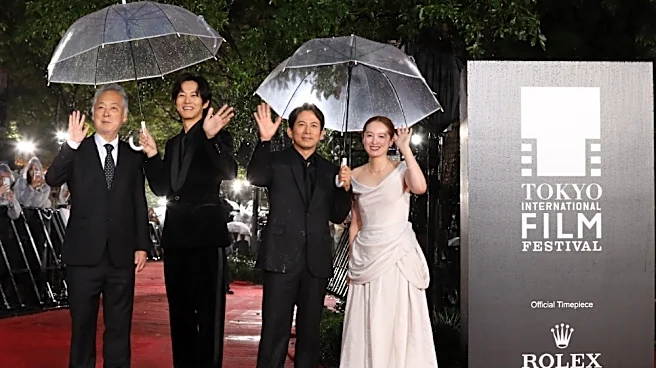
The Tokyo International Film Festival (TIFF) 2026 is currently underway, with animation taking a prominent role in its 39th edition. For the first time in the festival's history, an animated feature, Sun Xun’s 'Magic Atlas,' has been selected for Tokyo’s
main competition. This decade-in-the-making film signifies a major milestone for animation's recognition in prestigious film festivals. The festival's animation program aims to connect creators and audiences, featuring international premieres and original anime, alongside discussions on creative careers and opportunities for women directors. Ryota Fujitsu, the festival’s animation programming advisor, emphasized efforts to bring international animation to Japanese audiences and provide a platform for original Japanese features. The industry market, TIFFCOM, is also examining anime’s global growth, international co-production, and the expanding market for Japanese intellectual property.
Why It's Important?
The increased prominence of animation at the Tokyo International Film Festival, particularly the inclusion of an animated feature in the main competition, signifies a growing global recognition of animation as a serious art form beyond children's entertainment. This development can influence how animation is perceived and funded within the U.S. film industry, potentially leading to more diverse and artistically ambitious animated projects. For U.S. audiences, it could mean access to a wider range of international animated films that challenge traditional genre boundaries. The focus on anime's global growth and international co-production at TIFFCOM also highlights significant business opportunities for U.S. studios and distributors looking to tap into the lucrative Japanese animation market and collaborate on new projects, impacting investment and content strategies.
What's Next?
The groundbreaking inclusion of an animated film in TIFF's main competition could set a precedent for other major international film festivals, potentially leading to more animated features being considered for top awards globally. This shift may encourage U.S. animation studios to explore more adult-oriented or artistically experimental projects, moving beyond traditional commercial models. Discussions at TIFFCOM regarding anime's global expansion and co-production opportunities are likely to foster new partnerships between Japanese and U.S. production companies, leading to more international collaborations in animation. The festival's emphasis on women directors in animation could also inspire initiatives to promote diversity and inclusion within the U.S. animation industry, fostering new talent and perspectives.
Beyond the Headlines
The elevation of animation at TIFF reflects a broader cultural shift in how animated storytelling is valued and consumed worldwide. Historically, animation has often been relegated to a niche category, but its increasing presence in mainstream film festivals underscores its capacity for complex narratives, artistic innovation, and profound emotional impact. This recognition challenges the traditional hierarchy of film genres and promotes a more inclusive view of cinematic art. For the U.S., this could mean a re-evaluation of animation's potential, encouraging greater artistic freedom and investment in diverse animated projects. It also highlights the growing influence of Asian cinema, particularly Japanese animation, in shaping global film trends and pushing the boundaries of visual storytelling.