



What's Happening?
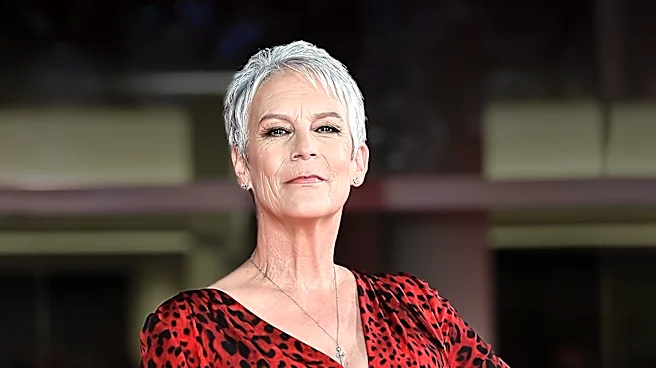
A 1977 photograph of Jamie Lee Curtis in her Beverly Hills home reveals a subtly floral-patterned sofa, which design experts now consider a timeless staple rather than a fleeting trend. Despite being nearly five decades old, the retro look of the sofa is seen
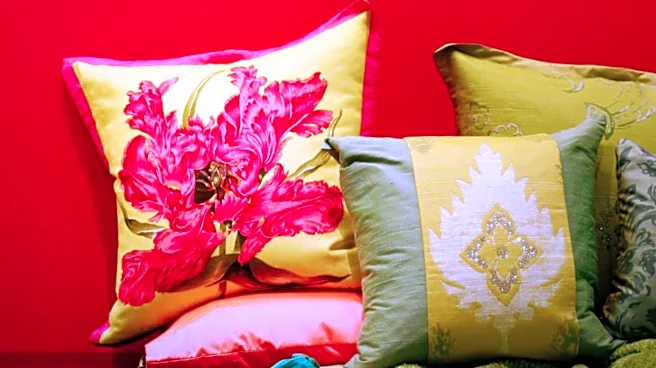
as perfectly suitable for a modern living room in 2026. Design experts emphasize that patterned sofas are gaining popularity due to an increasing demand for characterful and colorful interiors. They advise consumers to choose classic patterns like florals or stripes that have historically endured, and to consider the investment carefully by ordering swatches and ensuring a cohesive color scheme with other decor elements. Additionally, patterned sofas are noted for their practicality, as they are more forgiving of stains compared to plain or neutral colors, making them a suitable option for households with children or pets.
Why It's Important?
The enduring appeal of Jamie Lee Curtis's patterned sofa highlights a significant shift in U.S. home decor trends towards timelessness and personal expression over transient fads. This movement impacts the furniture and interior design industries, encouraging manufacturers and retailers to offer more classic, durable, and customizable options. For consumers, it suggests a move towards more thoughtful and long-term investments in home furnishings, potentially reducing the frequency of purchases and promoting sustainability. The emphasis on patterned sofas also reflects a desire for individuality and warmth in living spaces, moving away from minimalist aesthetics. This trend can influence product development, marketing strategies, and even the types of design services offered, as homeowners seek to create unique and enduring environments.
What's Next?
The growing appreciation for timeless and nostalgic home decor, as exemplified by the patterned sofa, is likely to continue influencing interior design trends. Consumers can expect to see a wider array of classic patterns and durable furniture pieces in the market. Design experts will likely continue to advocate for thoughtful investment in furniture and decor, emphasizing longevity and personal style. This could lead to an increase in demand for custom-made or vintage furniture, as well as a focus on quality materials. Retailers may adapt by curating collections that blend traditional aesthetics with modern functionality. Furthermore, the practical benefits of patterned fabrics, such as stain resistance, could become a more prominent selling point, appealing to a broader demographic of homeowners.
Beyond the Headlines
The resurgence of nostalgic home decor elements like the patterned sofa delves deeper than mere aesthetics; it touches upon psychological and cultural dimensions. In an era of rapid change and digital saturation, there's a collective yearning for comfort, stability, and a connection to the past. A patterned sofa, reminiscent of a bygone era, can evoke feelings of warmth, familiarity, and personal history, transforming a living space into a sanctuary. This trend also challenges the notion of disposable design, promoting a more sustainable approach to consumption where items are cherished for their longevity and character. Ethically, it encourages consumers to consider the environmental impact of their purchasing decisions, favoring pieces that stand the test of time over those that quickly become obsolete. Culturally, it reflects a broader appreciation for craftsmanship and heritage in an increasingly mass-produced world.