





What's Happening?
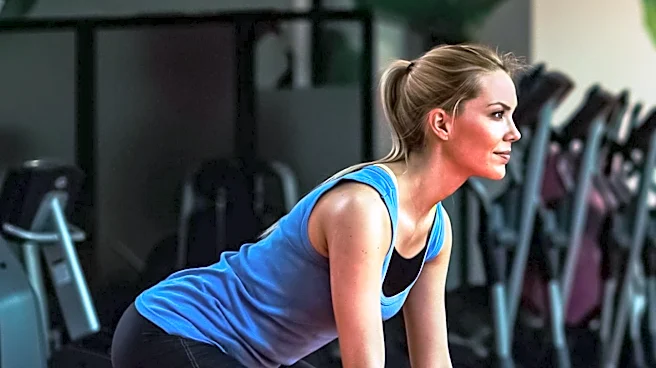
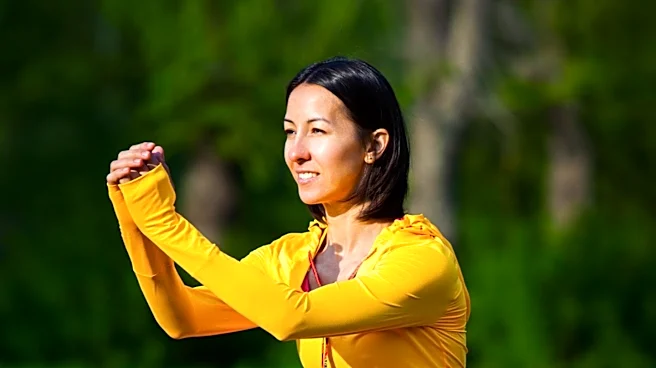
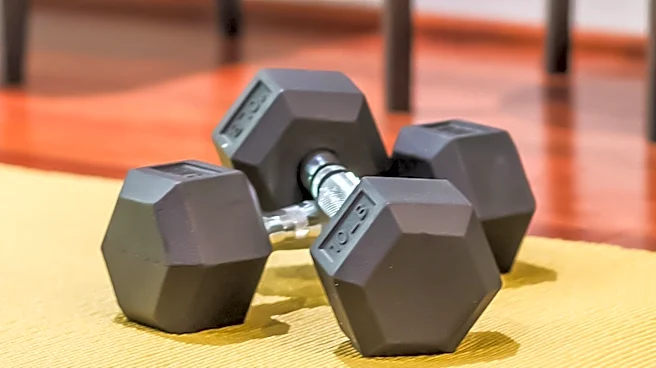
Post-menopausal standing routines should prioritize strength training to support daily activities such as standing, carrying, climbing stairs, and recovering balance. Key exercises to incorporate include squats, sit-to-stands, hip hinges, presses, pulls,
carries, and calf work. Additionally, brisk walking and jogging are highly effective for improving bone density and overall health. It is recommended to start with small, manageable goals and progressively increase the frequency and intensity of these routines. The focus is on maintaining and building muscle and bone tissue, which can be significantly impacted by declining estrogen levels during menopause. Regular training also helps improve insulin sensitivity and blood pressure control. While strength training is not a cure-all for menopausal symptoms, it is a reliable method for preserving strength, function, and independence, with potential benefits for body composition and metabolic health. The effectiveness of these routines depends on factors like dose, technique, energy intake, protein consumption, and recovery.
Why It's Important?
The emphasis on strength training and weight-bearing activities for post-menopausal women is crucial due to the physiological changes associated with menopause, primarily the decline in estrogen. This hormonal shift can accelerate bone-mineral loss, alter fat distribution, and increase the likelihood of age-related muscle and strength loss. By focusing on exercises like squats, hip hinges, and carries, women can actively combat these effects, thereby reducing the risk of osteopenia and osteoporosis, which significantly increase fracture risk, particularly in the spine, hip, and wrist. Maintaining muscle strength also improves balance and reduces the risk of falls, which can have severe consequences for mobility and quality of life in older adults. Furthermore, regular physical activity, including brisk walking and jogging, has broader health benefits, such as improving cardiovascular health, insulin sensitivity, and blood pressure control, contributing to overall healthy aging and independence. This proactive approach to fitness can significantly enhance the quality of life for post-menopausal women.
What's Next?
Individuals beginning post-menopausal standing routines are advised to start with short sessions, approximately 5-10 minutes, three times per week, and gradually increase the duration as confidence and strength improve. A practical approach involves two full-body strength training sessions per week as a minimum, with three days providing more volume if recovery allows. Each major muscle group should be worked at least twice weekly. Beginners should focus on learning proper technique before increasing load. Progression involves increasing the load by the smallest step once every set reaches the top of the repetition range with good form for two consecutive sessions. It is important to avoid increasing load, sets, and training days simultaneously. In cases of poor sleep or hot flashes, extending warm-ups and assessing coordination and effort are recommended, with potential reductions in load or sets. Medical consultation is advised for persistent pain, suspected stress fractures, or worsening pelvic floor symptoms.
Beyond the Headlines
The focus on strength training and weight-bearing exercises for post-menopausal women extends beyond immediate physical benefits, addressing deeper societal and health implications. By promoting robust physical activity, these routines challenge the misconception that aging, particularly post-menopause, inevitably leads to frailty and dependence. This approach empowers women to maintain their independence and quality of life, potentially reducing the burden on healthcare systems associated with age-related injuries like fractures. Ethically, it underscores the importance of tailored health advice that acknowledges the unique physiological changes women experience, moving beyond generic fitness recommendations. Culturally, it can help shift perceptions of aging, promoting an active and engaged lifestyle rather than one of decline. The long-term impact could be a healthier, more active aging population, with reduced incidence of chronic conditions and improved mental well-being, fostering a more resilient and capable older demographic.