





What's Happening?
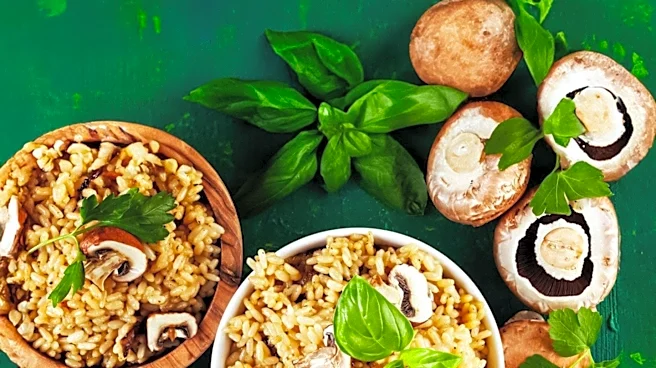
Mushroom-based products are experiencing a significant surge in popularity, particularly within the vegan and plant-based culinary sectors. These fungi are being recognized for their nutrient-dense composition and remarkable versatility, serving as both
a flavorful meat substitute and a sustainable alternative to traditional animal-based products. Chefs and food manufacturers are innovating with various mushroom types, such as lion's mane to mimic pulled pork texture and shiitake for enhancing broths and sauces. This trend has led to a proliferation of mushroom-based offerings, including mushroom jerky, wild mushroom stews, and mushroom-based burgers. Companies like Maia Farms are also developing mushroom-based ingredients and powders, such as Maia FLOUR and Maia FORM, which provide protein, fiber, and micronutrients for everyday food applications. These innovations highlight mushrooms as a crucial ingredient in the evolving landscape of food technology, focusing on health, functionality, and sustainability.
Why It's Important?
The growing prominence of mushroom-based foods signifies a notable shift in consumer preferences towards healthier, more sustainable, and plant-forward dietary choices. This trend impacts the U.S. food industry by driving innovation in alternative protein sources and expanding the market for plant-based products. Mushrooms offer a natural, less processed alternative to some existing meat substitutes, appealing to consumers seeking whole foods. Their ability to replicate the texture and umami flavor of meat makes them an attractive option for those transitioning to or maintaining a vegan diet. Furthermore, the sustainable nature of mushroom cultivation, requiring less water, land, and time compared to livestock farming, aligns with increasing environmental consciousness among consumers and food producers. This development could lead to significant investment in mushroom farming and processing technologies, creating new economic opportunities and influencing agricultural practices.
What's Next?
The trajectory for mushroom-based products suggests continued growth and diversification in the food market. Expect further research and development into new mushroom varieties and processing techniques to enhance their flavor, texture, and nutritional profiles. Food companies are likely to integrate mushroom-derived ingredients into a wider range of products, moving beyond direct meat substitutes to functional foods that offer specific health benefits. The focus will increasingly be on designing foods with a purpose, delivering more protein, fiber, and functional benefits through plant-forward formulations. This will likely involve collaborations between agricultural producers, food scientists, and culinary experts to bring novel mushroom-based solutions to market. As consumer demand for sustainable and healthy options persists, mushrooms are poised to become an even more central component of the future food system.
Beyond the Headlines
The rise of mushroom-based foods extends beyond mere dietary trends, touching upon broader ethical, environmental, and cultural dimensions. Ethically, it supports the reduction of animal product consumption, addressing concerns about animal welfare and the environmental impact of industrial agriculture. Environmentally, the low-impact cultivation of mushrooms offers a model for sustainable food production, potentially mitigating issues like deforestation and greenhouse gas emissions associated with traditional farming. Culturally, it represents an evolution in culinary practices, challenging conventional notions of what constitutes a 'meal' and fostering creativity in plant-based cooking. This shift could also influence public policy, potentially leading to incentives for sustainable agriculture and plant-based food research. The long-term implications include a more resilient and diverse food supply chain, reduced reliance on resource-intensive animal agriculture, and a greater emphasis on functional and health-promoting ingredients in everyday diets.