






What's Happening?
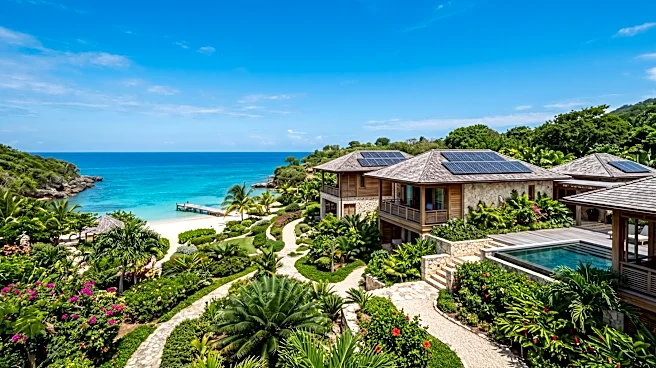
The Caribbean Hotel & Tourism Association (CHTA) has recognized Half Moon, a resort in Jamaica, with the GAIN Innovation Award at the 2026 CHIEF Awards. This accolade celebrates Half Moon's comprehensive integration of sustainability into its daily operations
across its 400-acre property. Key initiatives include the installation of over 1,000 solar panels on five back-of-house rooftops, which are projected to generate 1.24 million kilowatt-hours annually, covering approximately 30% of the resort's back-of-house electricity demand and reducing carbon dioxide emissions by an estimated 210 tons. The resort also utilizes solar-powered weather stations for irrigation management and operates a farm that has supplied over 4,500 kilograms of produce since January 2025. Furthermore, Half Moon's beach conservation efforts have significantly contributed to the survival of 6,916 hawksbill turtle hatchlings, helping them reach the sea. These efforts demonstrate a successful model where environmental stewardship complements luxury hospitality.
Why It's Important?
This recognition highlights a growing trend within the hospitality industry towards sustainable practices, particularly in regions vulnerable to climate change like the Caribbean. Half Moon's initiatives serve as a benchmark for other resorts, illustrating that significant environmental impact reductions and operational efficiencies can be achieved without compromising guest experience. The adoption of solar energy reduces reliance on fossil fuels, contributing to regional energy independence and mitigating climate change impacts. The focus on local food production strengthens local economies and reduces the carbon footprint associated with food transportation. Moreover, successful conservation programs, such as those for sea turtles, protect biodiversity and enhance the natural appeal of tourist destinations, which is crucial for the long-term viability of the tourism sector in the Caribbean. This model can inspire broader adoption of eco-friendly strategies, fostering a more resilient and responsible tourism industry.
What's Next?
The success of resorts like Half Moon is likely to encourage other hospitality businesses in the Caribbean and beyond to invest further in sustainable technologies and practices. The CHTA's recognition through awards like the GAIN Innovation Award will likely spur more competition and innovation in environmental sustainability within the sector. Future developments may include increased adoption of renewable energy sources, more sophisticated waste management systems, expanded local sourcing for food and supplies, and enhanced biodiversity conservation programs. Industry forums and associations will likely continue to promote these best practices, potentially leading to new industry standards or certifications for sustainable tourism. This could also influence traveler choices, with a growing preference for eco-conscious accommodations, thereby driving market demand for sustainable hospitality.
Beyond the Headlines
The integration of sustainability into luxury hospitality, as exemplified by Half Moon, signifies a deeper shift in consumer values and corporate responsibility. Beyond the immediate environmental benefits, these initiatives contribute to the long-term economic resilience of tourist destinations. By protecting natural resources and reducing operational costs through efficiency, resorts can ensure their viability in the face of environmental challenges and fluctuating energy prices. This also fosters a stronger connection between tourists and the local environment and culture, moving beyond superficial tourism to a more meaningful and responsible travel experience. The success of such models can also influence policy-making, encouraging governments to offer incentives for sustainable development in the tourism sector, thereby creating a virtuous cycle of environmental protection and economic growth.