





What's Happening?
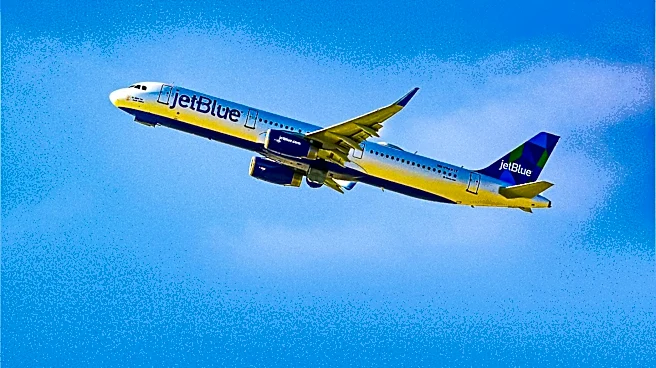
JetBlue Airways is facing increasing financial pressure, leading to renewed speculation about a potential takeover. The airline's financial position has become more challenging, with a third-quarter net loss of $257 million, compared to a $60 million loss a year
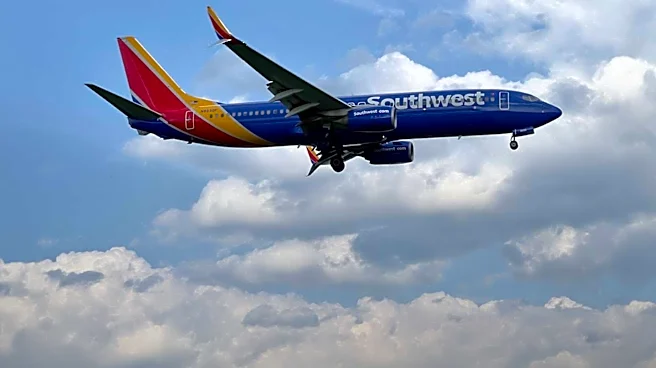
prior, and a nine-month net loss reaching $823 million. According to Reuters, JetBlue's creditors have hired restructuring advisers, raising concerns about the airline's ability to manage its approximately $8.4 billion in debt and lease liabilities. While JetBlue CEO Joanna Geraghty has denied negotiations with creditors or plans for debt restructuring, the mounting financial strain has intensified rumors of a potential acquisition by rivals such as United Airlines, Alaska Airlines, or Southwest Airlines. Any such transaction would likely face significant regulatory scrutiny, as the U.S. Department of Justice previously blocked JetBlue's proposed $3.8 billion acquisition of Spirit Airlines in January 2024, citing concerns about reduced competition and increased fares.
Why It's Important?
The financial struggles of JetBlue and the ensuing takeover rumors are significant for the U.S. airline industry. A potential acquisition could further consolidate the market, impacting competition and potentially leading to higher fares for consumers, a concern previously raised by the Department of Justice. JetBlue's role as a low-cost carrier, albeit with a more 'elevated' experience than ultra-low-cost airlines, is crucial for maintaining competitive pricing, especially following the exit of Spirit Airlines. The airline's debt burden and inability to consistently achieve profitability highlight the economic challenges faced by mid-sized carriers in a highly competitive and capital-intensive industry. The outcome of JetBlue's situation will influence market dynamics, potentially affecting route availability, pricing strategies, and the overall landscape of air travel in the U.S.
What's Next?
JetBlue is currently pursuing its 'JetForward' recovery plan, aiming for operating profitability in 2027 and positive free cash flow in 2028. However, the mounting financial pressures suggest that a takeover remains a distinct possibility, despite the regulatory hurdles. The involvement of restructuring advisers for creditors indicates a serious assessment of the airline's financial health. The U.S. Department of Justice's previous intervention in the Spirit Airlines acquisition sets a precedent for strict regulatory oversight of any future merger attempts involving JetBlue. The coming year, 2027, is anticipated to be critical for JetBlue's independence, as its ability to execute its recovery plan and manage its debt will determine its future as a standalone entity or as part of a larger airline group.
Beyond the Headlines
The situation with JetBlue reflects a broader trend of consolidation and financial strain within the U.S. airline industry, where even established carriers can face significant challenges. The regulatory environment, particularly the Department of Justice's stance on competition, plays a pivotal role in shaping the industry's structure. The blocking of the Spirit Airlines acquisition demonstrates a commitment to preventing monopolies and protecting consumer interests, which will undoubtedly influence any future merger discussions involving JetBlue. This ongoing saga highlights the delicate balance between airline profitability, market competition, and consumer welfare, and it underscores the continuous pressure on airlines to innovate and adapt in a highly dynamic economic and regulatory landscape.