






What's Happening?
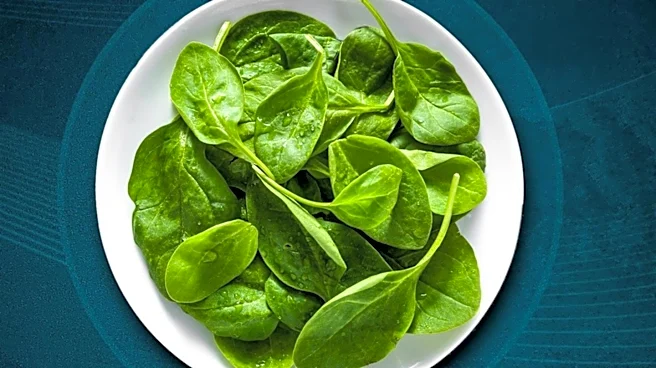
Dietitians are emphasizing the role of specific foods in reducing the risk of stroke, a condition affecting approximately 795,000 people annually in the U.S. Foods such as leafy greens, oranges, walnuts, yogurt, oats, and fatty fish are highlighted for
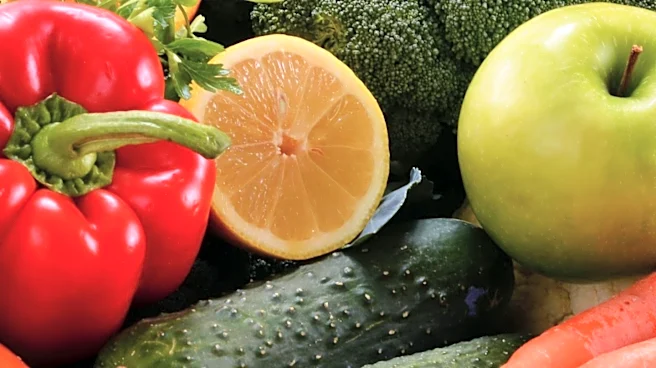
their beneficial nutrients like nitrates, omega-3 fatty acids, and probiotics. These foods are part of dietary patterns like the DASH and Mediterranean diets, which are associated with lower stroke risk due to their emphasis on plant-based foods, lean proteins, and heart-healthy fats.
Why It's Important?
The focus on diet as a preventive measure against stroke is crucial given the significant impact of stroke on public health. By promoting foods that lower blood pressure, improve cholesterol levels, and reduce inflammation, individuals can potentially decrease their stroke risk. This approach aligns with broader public health strategies aimed at reducing the incidence of cardiovascular diseases through lifestyle modifications. The emphasis on whole foods and balanced diets also supports overall health and well-being.
What's Next?
As dietary recommendations continue to evolve, there may be increased public and clinical focus on incorporating these foods into daily meals. Healthcare providers might offer more personalized dietary advice based on individual risk factors for stroke. Ongoing research could further elucidate the specific effects of these foods on cardiovascular health, potentially leading to more refined dietary guidelines. Public health campaigns may also promote these dietary patterns to encourage widespread adoption.