


What's Happening?
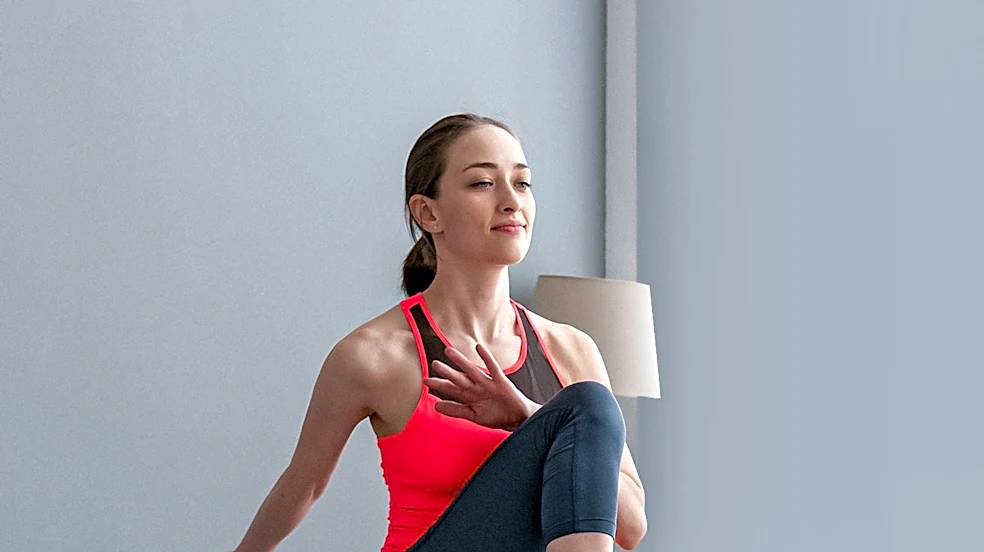
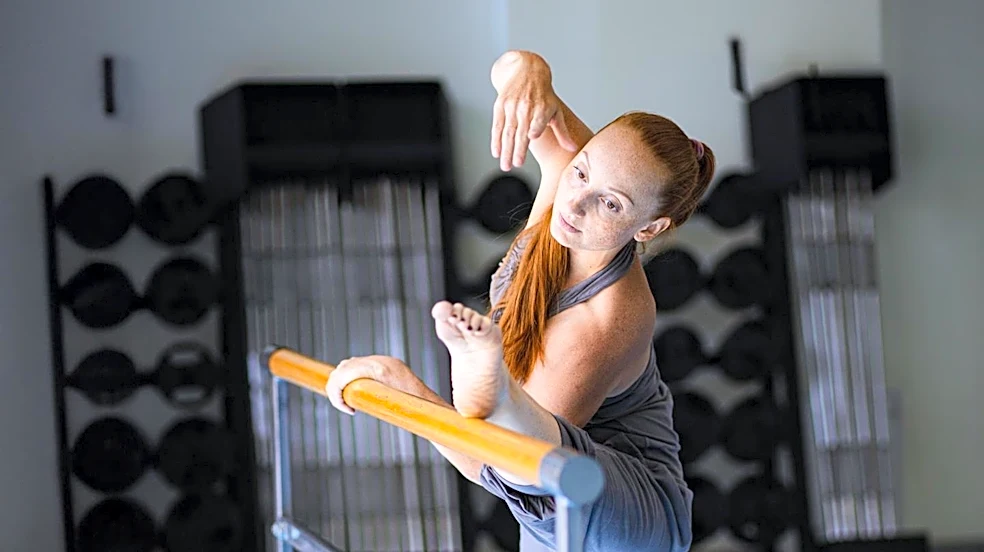
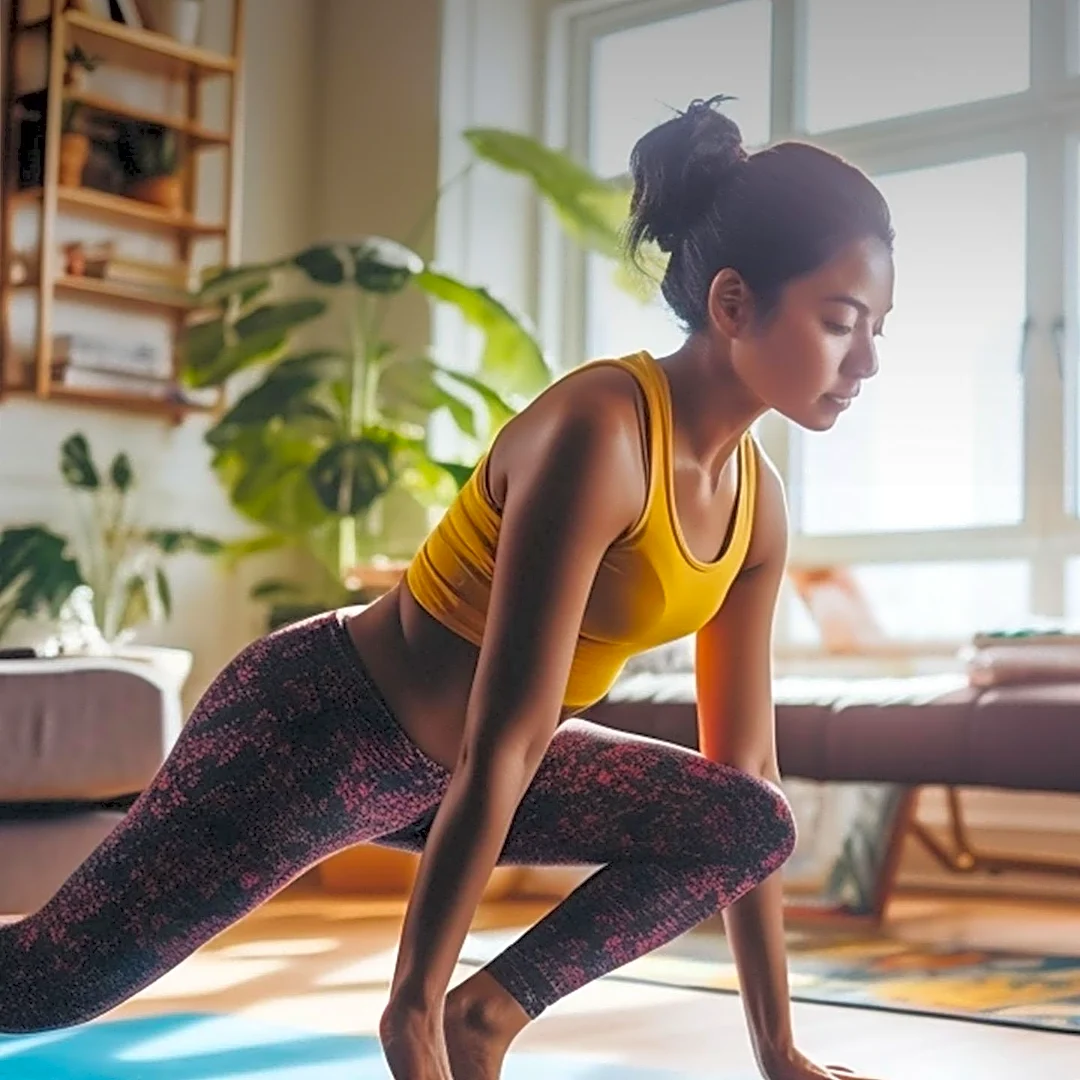
An at-home barre workout adapts ballet-inspired fitness movements for a home setting. These routines typically include exercises such as knee bends, heel raises, standing hip movements, and floor or supported trunk exercises. The style of these classes
can vary in pace and the equipment required, though many can be performed with minimal gear. A common 30-minute routine might incorporate preparation, rest, transitions, and a finishing cool-down. Key movements often involve small pulses that repeat part of a movement range, holds to maintain a position, and larger controlled repetitions that move through a wider range of motion. The ballet influence does not necessitate prior dance experience, with beginners often starting with parallel feet. For balance, a fixed support like a countertop or wall is recommended, and clear floor space is essential for safety and movement. The focus is on controlled, low-impact movements that challenge lower-body and trunk endurance.
Why It's Important?
The increasing popularity of at-home barre workouts highlights a broader trend in the U.S. fitness industry towards accessible and flexible exercise options. This shift caters to individuals seeking convenient ways to maintain physical activity without the need for specialized gym equipment or studio memberships. The emphasis on low-impact movements makes barre appealing to a wider demographic, including those looking for gentle yet effective workouts or recovering from injuries. The ability to adapt these routines to a home environment, often using bodyweight and common household items for support, democratizes fitness, making it more attainable for people with busy schedules or limited access to traditional fitness facilities. This trend also reflects a growing consumer demand for personalized and self-directed wellness solutions, impacting how fitness content is developed and delivered.
What's Next?
As at-home fitness continues to evolve, we can anticipate further innovations in digital platforms and guided workout programs tailored to home environments. The development of more sophisticated apps and online classes that offer personalized feedback and adaptive routines will likely become more prevalent. There may also be an increase in demand for compact, multi-functional home fitness equipment that complements bodyweight exercises. Fitness instructors and content creators will likely focus on developing diverse barre routines that cater to various fitness levels and goals, from beginner-friendly sessions to more advanced, strength-focused workouts. The integration of wearable technology to track progress and provide real-time performance metrics could also enhance the at-home barre experience, further blurring the lines between traditional gym settings and home-based fitness.
Beyond the Headlines
The rise of at-home barre workouts extends beyond mere physical exercise, touching upon broader societal implications related to self-care, mental well-being, and body positivity. By offering a less intimidating and more private setting for exercise, these routines can empower individuals who might feel self-conscious in traditional gym environments. This accessibility can foster a greater sense of autonomy over one's health journey, promoting consistent engagement with physical activity. Furthermore, the focus on controlled movements and body awareness in barre can contribute to improved proprioception and mindfulness, offering benefits that transcend physical fitness. The emphasis on adapting exercises to individual comfort levels, rather than striving for an idealized body type, aligns with a growing cultural shift towards holistic well-being and inclusive fitness practices, challenging conventional notions of exercise and body image.