



What's Happening?
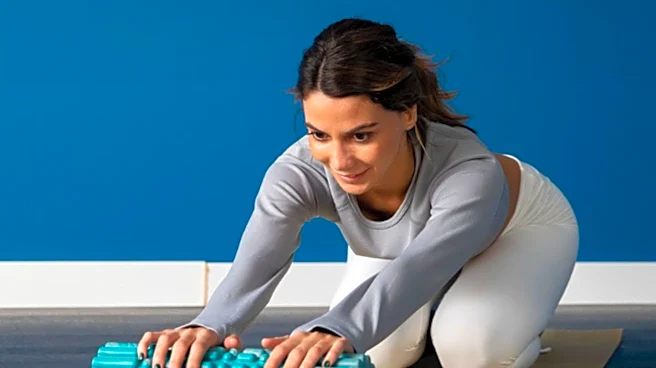
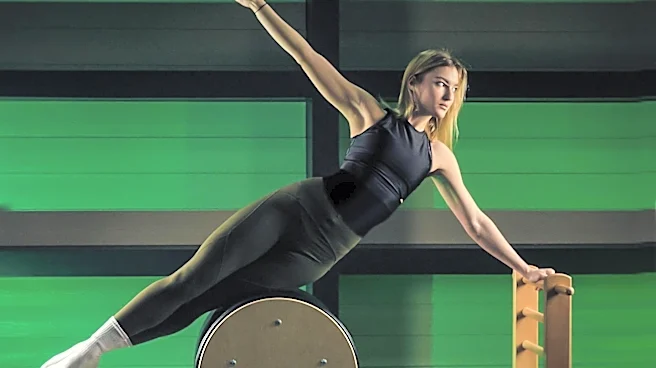
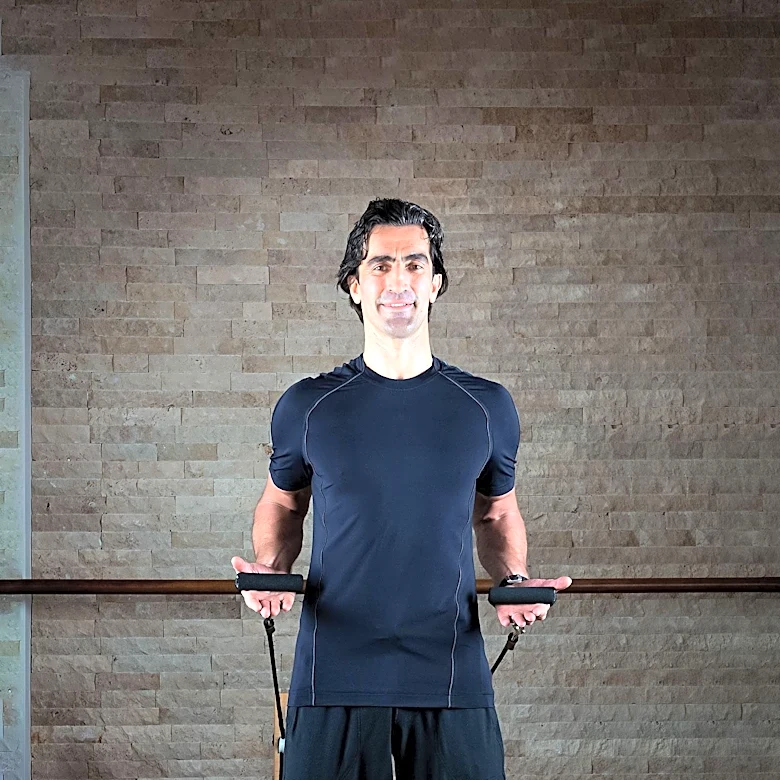
A detailed comparison between Pilates and stretching highlights their distinct benefits for physical well-being. Pilates focuses on building strength, mobility, and control by loading muscles as they lengthen, often using a mat, reformer, or bands. It
emphasizes core stability and body awareness, with sessions typically lasting 30 to 60 minutes. Stretching, on the other hand, primarily aims to build length, range of motion, and relaxation by holding muscles in lengthened positions, requiring no equipment and often taking 5 to 20 minutes. While Pilates has a higher learning curve due to its emphasis on form, stretching is easier to start for beginners. Both methods improve flexibility, but Pilates does so through active control, while stretching achieves it through passive holds.
Why It's Important?
Understanding the differences between Pilates and stretching is crucial for individuals in the U.S. seeking to improve their physical health and make informed fitness choices. With a growing emphasis on holistic wellness and injury prevention, knowing which method best suits individual needs can optimize fitness outcomes. Pilates offers a path to building functional strength and stability, particularly beneficial for desk workers with postural issues or athletes seeking a stable base for powerful movements. Stretching provides quick relief from tightness and stiffness, making it accessible for daily practice. The ability to combine both methods offers a comprehensive approach to fitness, addressing both strength and flexibility, which can lead to a reduction in musculoskeletal issues and an improvement in overall quality of life for many Americans.
What's Next?
Individuals are encouraged to consider their personal fitness goals when choosing between Pilates and stretching, or when deciding to combine them. For those seeking strength and mobility, Pilates is recommended, while those primarily focused on easing tightness and stiffness may find stretching more suitable. A common recommendation is to incorporate two to three Pilates sessions per week with daily short stretching sessions. It is advised to avoid deep static stretching immediately before intense exercise, saving it for after workouts or rest days. Consulting with a doctor or physical therapist is recommended for individuals with injuries or persistent pain before starting new exercise routines.
Beyond the Headlines
The ongoing discussion about Pilates versus stretching reflects a broader evolution in fitness philosophy, moving beyond a one-size-fits-all approach. This nuanced understanding empowers individuals to tailor their physical activity to their specific needs, rather than adhering to rigid exercise dogmas. The emphasis on 'active flexibility' in Pilates—where strength and control are developed alongside range of motion—contrasts with 'passive flexibility' from stretching, highlighting a more functional approach to movement. This distinction is vital for preventing injuries and promoting sustainable physical health. Furthermore, the accessibility of stretching (requiring no equipment) and the increasing availability of Pilates through various platforms underscore a democratization of fitness knowledge, allowing more people to engage in practices that support their well-being.