





What's Happening?
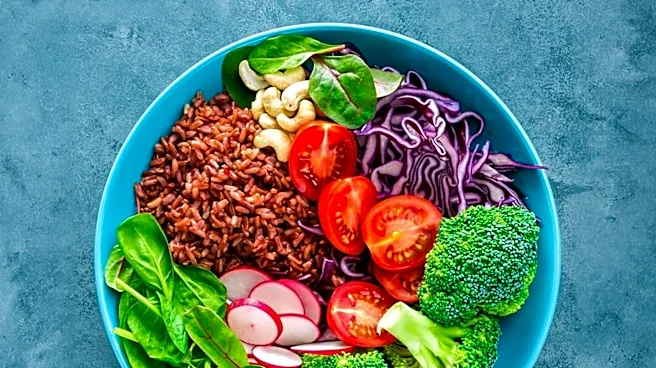
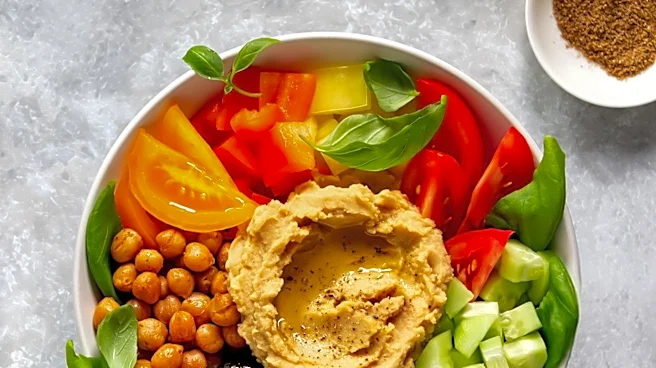
An anti-inflammatory diet, characterized by its abundance of fermented foods, oily fish, olive oil, turmeric, and leafy greens, is gaining recognition for its potential to significantly reduce chronic low-grade inflammation. This type of inflammation is a primary
contributor to joint and muscle pain, as well as various age-related diseases such as arthritis, cardiovascular disease, type 2 diabetes, and certain forms of depression. While not a substitute for medical treatment, consistent adherence to an anti-inflammatory diet can serve as a powerful complement to existing therapies, potentially lowering pain levels and reducing reliance on medication. Foods like kimchi, fatty fish, turmeric, olive oil, and dark leafy greens contain compounds that actively suppress inflammatory pathways in the body. The Mediterranean diet, which emphasizes whole foods, has been linked to lower rates of heart disease, cognitive decline, type 2 diabetes, and all-cause mortality in adults over 60.
Why It's Important?
The increasing prevalence of chronic low-grade inflammation and its association with numerous age-related diseases highlights the importance of dietary interventions. For older adults, who often grapple with chronic pain and a decline in immune function, an anti-inflammatory diet offers a proactive approach to health management. By incorporating foods rich in beneficial bacteria and anti-inflammatory compounds, individuals can potentially improve their gut microbiome diversity, which is crucial for a robust immune system. This dietary strategy could lead to a reduction in the need for pain medication, thereby mitigating potential side effects and improving overall quality of life. Furthermore, the emphasis on whole, unprocessed foods aligns with broader public health goals of combating diet-related illnesses and promoting healthy aging.
What's Next?
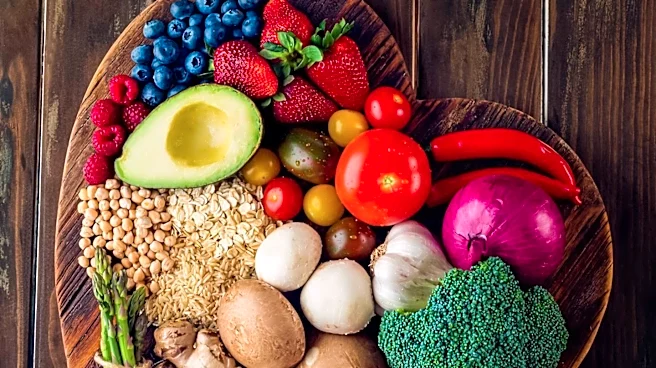
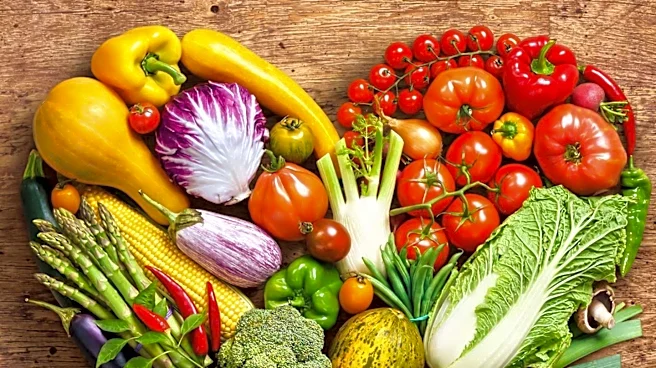
Continued research into the specific mechanisms by which anti-inflammatory diets impact chronic conditions and immune function is anticipated. Healthcare providers may increasingly recommend dietary changes, particularly the inclusion of fermented foods, as part of a holistic approach to managing chronic inflammation and pain. Public health campaigns could focus on educating individuals about the benefits of anti-inflammatory eating patterns, encouraging the adoption of diets rich in fruits, vegetables, whole grains, legumes, nuts, and omega-3 fatty acids. The food industry might also respond by developing more fermented food options and products that align with anti-inflammatory dietary principles, making these choices more accessible to a wider population.
Beyond the Headlines
The growing interest in anti-inflammatory diets underscores a broader shift towards preventive healthcare and personalized nutrition. This approach challenges the traditional reliance solely on pharmaceutical interventions for chronic conditions, emphasizing the profound impact of lifestyle choices, particularly diet, on long-term health. The focus on gut health and the microbiome highlights the intricate connection between our internal ecosystem and overall well-being, suggesting that nurturing beneficial gut bacteria can have far-reaching effects on immunity, inflammation, and even mental health. This paradigm shift could lead to a more integrated healthcare model where nutritionists and dietitians play an even more central role in patient care, working alongside medical professionals to address the root causes of chronic disease.