
What's Happening?
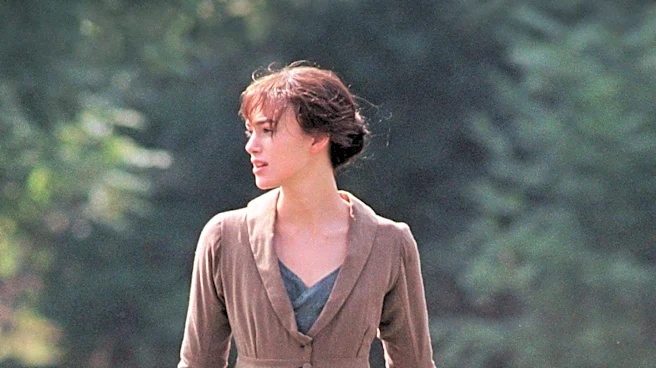
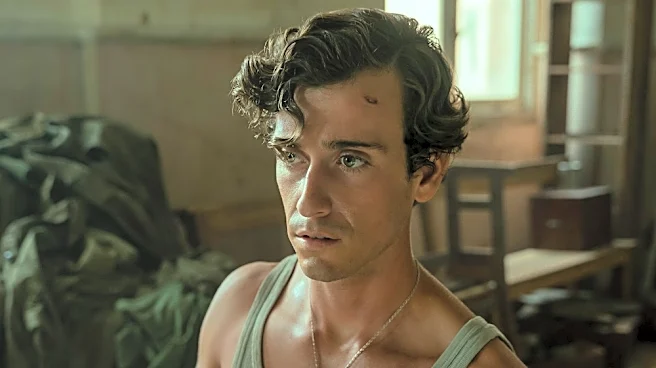
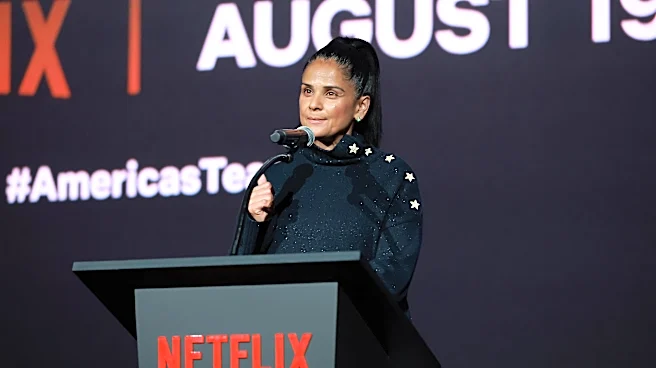
Screenwriter Dolly Alderton has provided an intimate look into the making of Netflix’s new miniseries adaptation of 'Pride and Prejudice'. Alderton's diary entries reveal the day-to-day challenges and creative
processes involved in bringing the classic novel to the screen. Key insights include advice from Dame Emma Thompson on casting and editing, and the necessity of making cuts to the script. For instance, scenes like Lydia and Mrs. Forster sea-bathing and Mr. Collins sneaking out of Longbourn down a drainpipe were removed due to budget or logistical constraints. Alderton also discussed the debate over including a flushing toilet scene, which would cost £15,000 to build, highlighting the balance between humor and financial practicality. The production also faced compromises on set pieces, such as the Meryton Harvest Market, which was scaled down from an elaborate Regency fair to a simpler scene involving livestock.
Why It's Important?
This detailed account offers a rare glimpse into the complexities of adapting beloved literary works for a modern audience, particularly for a major streaming platform like Netflix. The decisions made during production, such as script cuts and budget allocations, directly impact the final product and its reception. For the entertainment industry, it underscores the constant negotiation between creative vision, financial realities, and audience expectations. The involvement of a prominent screenwriter like Dolly Alderton and the adaptation of a classic like 'Pride and Prejudice' highlight the ongoing trend of reinterpreting established narratives for new generations. The challenges faced, from securing specific set pieces to managing character portrayals, reflect the broader pressures within television production to deliver high-quality content efficiently.
What's Next?
As the miniseries progresses towards its release, the public will be able to see the culmination of these production decisions. The reception of this adaptation by both critics and 'Janeites' (ardent fans of Jane Austen) will be a significant indicator of its success. Future adaptations of classic literature may draw lessons from Alderton's experiences, particularly regarding the balance between faithfulness to the source material and necessary modernizations or budgetary compromises. The series' performance on Netflix could also influence future investment in similar period dramas and literary adaptations by the platform, potentially shaping the landscape of streaming content for years to come.
Beyond the Headlines
The making of this 'Pride and Prejudice' adaptation touches upon deeper themes of cultural preservation and artistic interpretation. Alderton's struggle to maintain certain elements while making necessary cuts reflects the inherent tension in adapting a work that holds significant cultural weight. The discussion around 'Regency ad-libbing' and the need to make the 'stakes of marriage clear for a modern audience' highlights the challenge of translating historical context and social norms for contemporary viewers without losing authenticity. This process often involves re-evaluating what aspects of a classic story resonate most with current societal values, potentially sparking broader conversations about the evolution of storytelling and the enduring appeal of certain narratives.