




What's Happening?
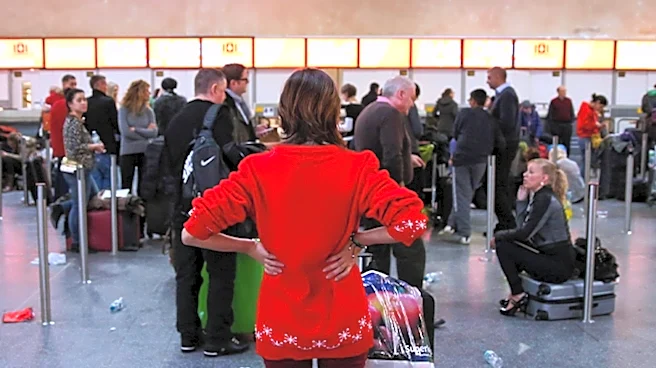
The Arizona State Sun Devils football team faced substantial travel disruptions, including a 17-hour flight delay, en route to Orlando, Florida, for their game against UCF. The delay was attributed to a nationwide ground stoppage implemented by the FAA.
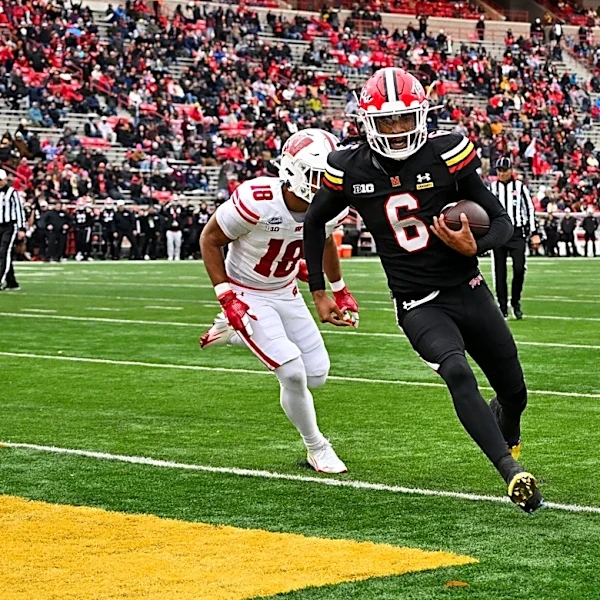
Originally scheduled to depart on Friday afternoon, the team's charter flight eventually took off at 7:25 a.m. local time on Saturday morning. They landed at Orlando International Airport at 12:47 p.m. EST, less than three hours before the initially scheduled kickoff. Consequently, officials pushed back the game's start time from 3:30 p.m. EST to 5:30 p.m. EST to accommodate the team's late arrival. Head coach Kenny Dillingham downplayed the impact, stating, “There’s really nothing you can do about it. It is what it is.” This incident affected multiple college football teams across the country, with several games having their kickoff times adjusted.
Why It's Important?
This incident highlights the significant impact that air traffic control issues, such as a nationwide FAA ground stoppage, can have on scheduled events, even those in the sports sector. For college football teams like the Arizona State Sun Devils, such delays can disrupt pre-game preparations, player rest, and overall team morale, potentially affecting performance. The need to reschedule games also creates logistical challenges for broadcasters, venues, and fans who have made travel arrangements. The FAA's ability to implement a widespread ground stop underscores its critical role in national infrastructure and its direct influence on various industries beyond aviation. The situation also brings to light the resilience required from athletic programs to adapt to unforeseen circumstances and maintain focus despite external pressures.
What's Next?
Following their delayed arrival, the Arizona State Sun Devils were scheduled to proceed directly to a hotel for a meal and team meetings before heading to UCF's 'Bounce House' for the rescheduled game. The adjusted kickoff time provided a small window for the team to prepare after their arduous journey. The broader implications for college football include potential reviews of travel protocols and contingency plans for teams, especially those with significant distances to cover. The FAA may also face scrutiny regarding the cause and communication surrounding the ground stoppage, potentially leading to discussions about enhancing air traffic control system resilience. Other affected teams across the country will also be navigating their rescheduled games and the impact on their players.
Beyond the Headlines
The FAA ground stoppage and its ripple effect on college football games underscore the interconnectedness of national infrastructure with seemingly disparate sectors. While the immediate concern is the sports schedule, the incident points to vulnerabilities in critical systems that can have far-reaching economic and social consequences. It raises questions about the robustness of air travel systems and the potential for widespread disruption from single points of failure. For collegiate athletics, it also highlights the increasing demands on student-athletes, who must balance academic commitments with rigorous travel schedules and unexpected logistical challenges. The ability of coaches and teams to manage adversity, as exemplified by Coach Dillingham's pragmatic approach, becomes a crucial aspect of their leadership and performance.