




What's Happening?
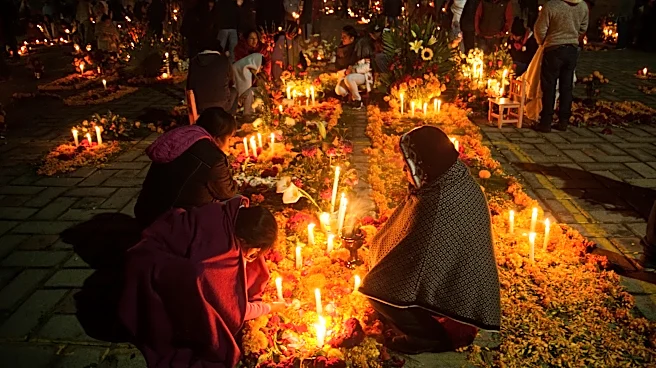
Mexico City is bracing for an influx of approximately 1.5 million visitors to its 120 cemeteries between October 30 and November 2, 2026, for the annual Day of the Dead celebrations. The city's main operation for the holiday involves a significant security
presence, with 11,000 police officers, 720 official vehicles, 20 motorcycles, one tow truck, aerial support, and eight ambulances deployed across its 16 boroughs. This extensive preparation aims to manage the large crowds and ensure public safety during the festivities. Additionally, the city is scheduled to host its Gran Desfile de Día de Muertos, a large parade featuring music, dancers, and giant floats, on October 31. Visitors are advised to confirm parade times through official city channels. The overall tourism forecast for Mexico during this period, according to the Tourism Ministry (Sectur), anticipates 2.7 million visitors nationwide, generating an estimated MXN 15.737 billion (approximately US$830 million) in direct tourism revenue.
Why It's Important?
The anticipated surge in visitors to Mexico City for Day of the Dead highlights the significant cultural and economic impact of this traditional holiday. For U.S. travelers, this means potential challenges with last-minute bookings, as average hotel occupancy is projected to reach 58.9% nationwide, with several destinations expected to exceed 90% occupancy on peak days. The substantial deployment of law enforcement and emergency services underscores the city's commitment to managing large-scale public events and ensuring visitor safety, which is crucial for maintaining Mexico's reputation as a safe tourist destination. The economic activity generated, estimated at MXN 15.737 billion in direct tourism revenue and a wider MXN 53 billion (about US$2.8 billion) in total seasonal economic activity, demonstrates the holiday's vital contribution to the Mexican economy, benefiting various sectors from hospitality to local artisans.
What's Next?
As the Day of the Dead celebrations unfold, authorities will monitor visitor numbers and public safety. The success of the security deployment and crowd management strategies will be assessed, potentially influencing future large-scale event planning. For tourists, particularly those from the U.S., checking official Mexico City government channels for venue hours, access limits, and transit changes will be crucial. Additionally, monitoring weather conditions, especially after Tropical Storm Vance, which was forecast to bring heavy rain to parts of the Pacific coast, remains important for travelers. Final attendance and spending figures will not be known until after the holiday, providing a clearer picture of the actual economic impact and the effectiveness of the preparations.
Beyond the Headlines
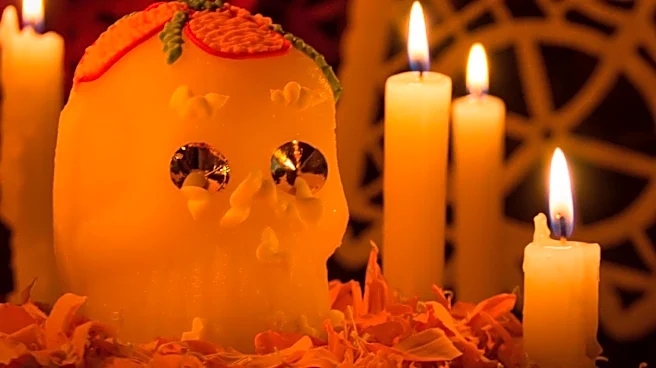
The Day of the Dead celebrations in Mexico City are more than just a tourist attraction; they represent a profound cultural tradition that honors deceased loved ones. The elaborate preparations, including the Gran Desfile de Día de Muertos and the extensive security measures, reflect the deep cultural significance of the holiday and the city's dedication to preserving and sharing it. The economic boost from tourism during this period also highlights the intricate link between cultural heritage and economic development. The focus on safety and crowd management in such a culturally significant event could serve as a model for other cities hosting large-scale cultural festivals, balancing tradition with modern logistical demands. The holiday also offers a unique opportunity for international visitors to engage with Mexican culture on a deeper level, fostering cross-cultural understanding.