





What's Happening?
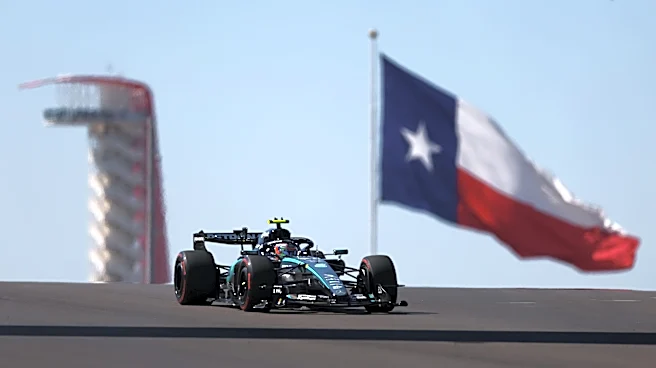
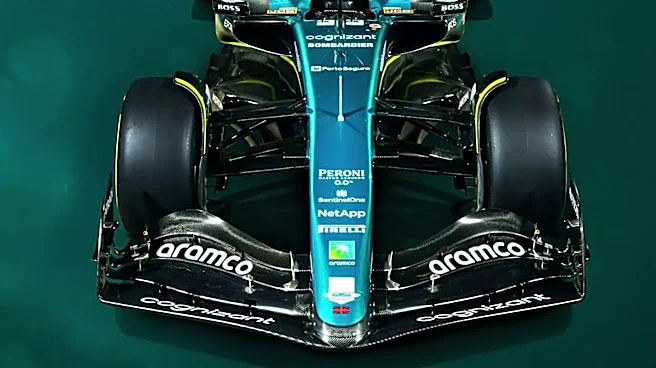
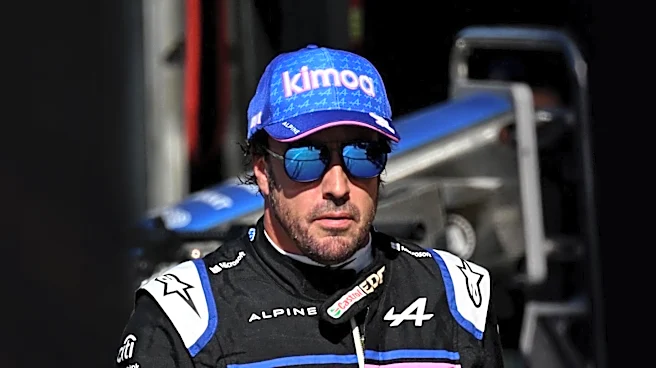
Fernando Alonso, a two-time Formula 1 world champion, has publicly criticized the quality of drivers in the lower third of the F1 grid following a first-lap collision with Williams driver Alex Albon at the United States Grand Prix. Alonso's Aston Martin
sustained significant damage, leading to a 16th-place finish and no points. He stated that the quality of these drivers is 'very low' and suggested his team needs to improve their car to start higher up the grid to avoid such incidents. The collision occurred at Turn 11, where Albon attempted an overtake, resulting in contact that damaged both cars. Stewards did not issue any penalties for the incident. Ex-F1 driver Ivan Capelli, now a Sky Sports Italia pundit, has since called Alonso's criticism 'exaggerated,' arguing that even drivers at the back of the grid have shown capability to win races with competitive cars.
Why It's Important?
Alonso's comments highlight a recurring tension in Formula 1 regarding driving standards, particularly among drivers in less competitive machinery. Such public criticism from a veteran driver like Alonso can spark debate within the F1 community about the skill level across the grid and the pressures faced by drivers in the midfield and backmarker teams. It also underscores the impact of car performance on a driver's ability to avoid incidents, suggesting that a less competitive car can force drivers into riskier maneuvers. This situation could influence future discussions on racing regulations, driver development programs, and the allocation of resources within teams, as teams strive to improve their cars to avoid being caught in the 'low quality' segment of the grid. The incident also brings into focus the role of race stewards and their decisions on racing incidents, which can significantly affect a driver's race outcome and reputation.
What's Next?
The immediate aftermath of Alonso's comments will likely involve continued discussion and analysis within the Formula 1 media and fan base. Alex Albon has already responded, describing the incident as 'fun' and 'fair,' suggesting a difference in perspective. While no formal action is expected from the FIA regarding Alonso's remarks, the incident and subsequent comments could contribute to ongoing conversations about driver conduct and safety. Teams like Aston Martin will continue to focus on car development to improve their competitive standing, aiming to avoid situations where their drivers are frequently involved in incidents with backmarkers. The debate may also prompt a closer look at the training and experience levels of newer or less experienced drivers entering the sport, and how they adapt to the high-pressure environment of Formula 1.
Beyond the Headlines
This incident touches upon the broader psychological and competitive dynamics within Formula 1. Alonso's frustration, stemming from a collision that ruined his race despite a potentially competitive car, reflects the intense pressure on drivers to perform and score points. His remarks, while critical, also implicitly highlight the disparity in car performance across the grid, where drivers in less capable machinery might be perceived as taking greater risks to make progress. This can lead to a cycle of frustration for top drivers caught in incidents with those at the back. The differing opinions from Alonso and Capelli also illustrate the subjective nature of judging racing incidents and driver quality, emphasizing that even experienced professionals can have contrasting views on on-track events and their implications for the sport's integrity and competitiveness.