






What's Happening?
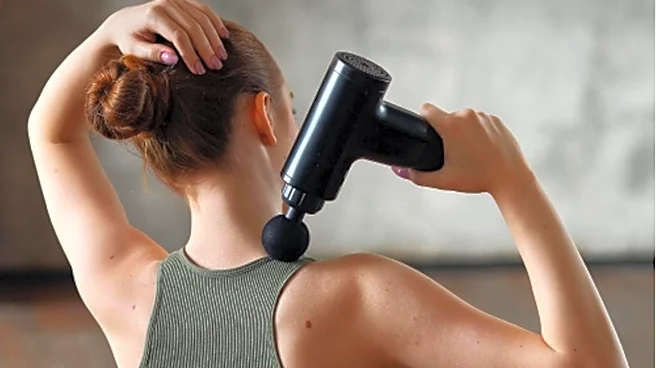
Massage guns are handheld percussion massagers that deliver rapid percussive movements to soft tissue. These devices are designed to increase blood flow, relax tight muscles, and reduce post-workout soreness. They provide a convenient alternative to manual
massage, allowing users to target various muscle groups such as the back, shoulders, legs, arms, and neck. When selecting a massage gun, key features to consider include multiple massage heads for different muscle groups, an ergonomic grip for comfortable handling, a portable design for use in various environments like home, gym, office, or travel, and adjustable intensity levels to suit individual needs and muscle responses. While beneficial for muscle tightness and soreness, it's important to note that massage guns are not a substitute for professional medical care, especially for persistent, severe, or unusual back pain.
Why It's Important?
The increasing popularity of massage guns highlights a growing trend in personal wellness and recovery tools within the U.S. market. These devices empower individuals to manage muscle discomfort and enhance recovery routines independently, reducing reliance on professional massage therapists for minor issues. This accessibility can lead to improved physical well-being for a broader population, including athletes, fitness enthusiasts, and those experiencing everyday muscle tightness from sedentary lifestyles. The market for these devices is competitive, with various brands offering different features, making it important for consumers to understand what constitutes a good quality and effective massage gun. The emphasis on portability and ease of use also reflects a demand for health solutions that integrate seamlessly into busy modern lifestyles.
What's Next?
The market for personal recovery devices, including massage guns, is likely to continue expanding with ongoing innovations in design, functionality, and therapeutic applications. Manufacturers may focus on developing more specialized massage heads, advanced percussive patterns, and smart features that connect with health tracking apps to provide personalized recovery insights. As consumer awareness of self-care and preventative health grows, the demand for accessible and effective tools like massage guns is expected to rise. Healthcare professionals may also increasingly integrate these devices into rehabilitation protocols, further legitimizing their use for muscle recovery and pain management, provided proper usage guidelines are followed.
Beyond the Headlines
Beyond their immediate physical benefits, massage guns represent a broader shift towards democratized health and wellness. They embody a philosophy where individuals take a more active role in their physical maintenance and recovery, moving away from solely relying on external professional services. This trend has implications for the healthcare industry, potentially reducing the burden on physical therapists for routine muscle care, while also fostering a more proactive approach to health among the general public. The ethical consideration lies in ensuring that consumers understand the limitations of these devices and seek professional medical advice for serious conditions, preventing self-treatment from delaying necessary interventions. The convenience and effectiveness of these tools could also contribute to a cultural normalization of daily physical self-care, similar to how exercise and nutrition have become integral parts of modern wellness routines.