




What's Happening?
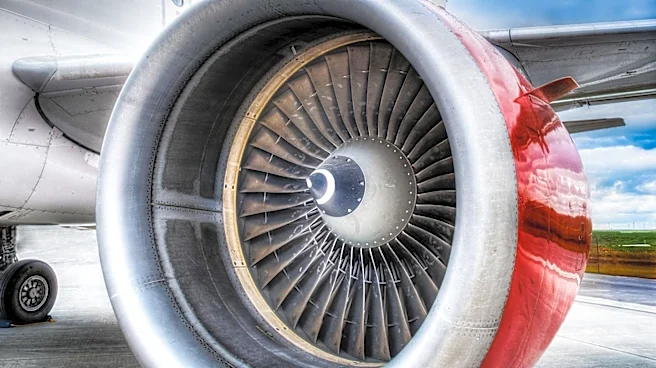
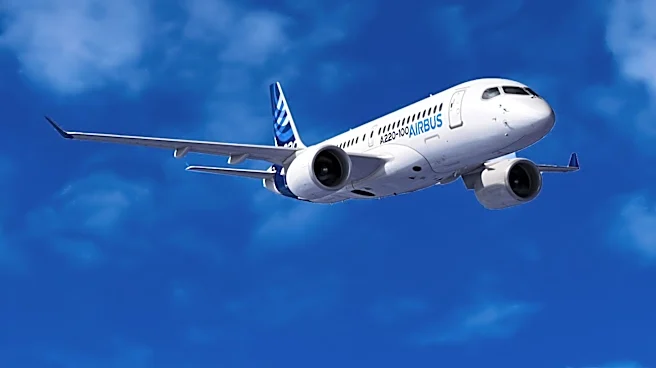
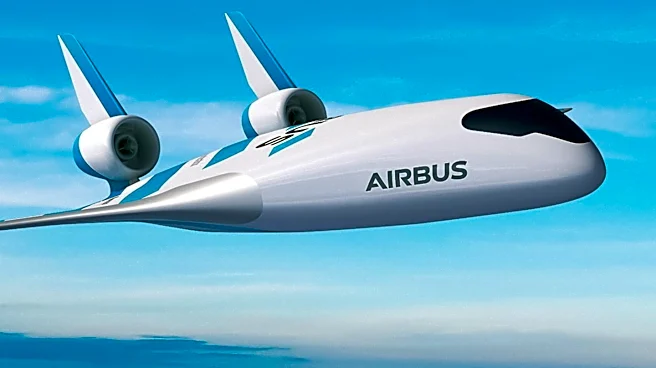
Airbus is progressing with propulsion and wing tests as it prepares for a significant decision regarding its next-generation single-aisle aircraft, expected to launch in 2030. The company is focusing on selecting an engine architecture by 2028 and is exploring
a new, efficient wing design made of composites. Airbus aims to create a resilient system platform that can incorporate evolving technologies, potentially increasing the aircraft's value over time. The company plans to test an experimental high-aspect-ratio wing extension on an A321neo by 2029 as part of its Wing of Tomorrow research program.
Why It's Important?
The development of a new single-aisle aircraft by Airbus is crucial for maintaining its competitive edge in the aviation industry, particularly against Boeing. The focus on innovative propulsion systems and wing designs could lead to more fuel-efficient and environmentally friendly aircraft, aligning with global sustainability goals. This project also represents a strategic shift for Airbus to enhance its service offerings and production systems, potentially leading to significant economic benefits and job creation within the aerospace sector.
What's Next?
Airbus will continue its testing and development efforts, with a formal launch of the new aircraft planned for 2030. The company will need to finalize its engine choice by 2028 and continue to refine its wing design. These developments will likely influence the broader aerospace market, prompting competitors like Boeing to accelerate their own innovation timelines. Stakeholders, including suppliers and airlines, will be closely monitoring Airbus's progress as they prepare for potential collaborations and investments.