





What's Happening?
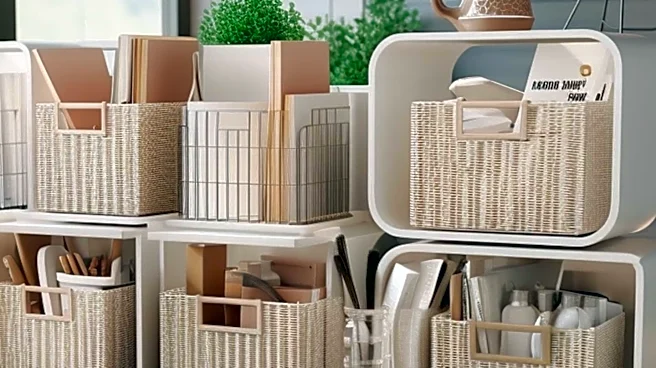
Self Storage Solutions in Fargo-Moorhead is encouraging customers to view self-storage not just for temporary needs like moves or renovations, but as a long-term tool for creating a more organized and functional home year-round. Heather Johnson of Self Storage Solutions highlights
various practical uses, such as storing seasonal items like holiday decorations, expensive sports gear, or sentimental family belongings to reduce clutter in garages, basements, and spare rooms. The company emphasizes how storage can provide flexibility during life transitions, including assisting parents moving into assisted living, family members deploying for military service, or individuals downsizing their homes. Self Storage Solutions has invested in modern features, including climate-controlled units, 24/7 video surveillance, online rentals, and Bluetooth-enabled access. Their Fargo and Moorhead locations also offer traditional outdoor drive-up units and parking for vehicles, boats, and RVs, with some larger units featuring climate control, garage doors, and electrical access for charging electric vehicles.
Why It's Important?
This shift in marketing and service offerings by Self Storage Solutions reflects a broader trend in the U.S. towards optimizing living spaces and managing possessions more effectively. As homes become smaller or families accumulate more belongings, the demand for external storage solutions grows. By positioning self-storage as a long-term organizational tool, the company addresses a persistent consumer need for decluttering and creating more functional living environments. This approach is particularly relevant in areas like Fargo-Moorhead, where seasonal changes necessitate storage for various items. The integration of modern technology, such as Bluetooth access and online rentals, enhances convenience and security, making self-storage more appealing to contemporary users. This trend impacts the real estate market by allowing homeowners to maximize their existing space without needing to move to larger, more expensive properties, and supports a more organized and less cluttered lifestyle for many Americans.
What's Next?
Self Storage Solutions will likely continue to promote the long-term benefits of self-storage, potentially expanding its range of specialized units and services to meet diverse customer needs. The emphasis on technology, such as mobile app access and enhanced security features, will likely become standard across the industry as companies compete for customers. Other self-storage providers may adopt similar strategies, focusing on lifestyle integration rather than just temporary solutions. This could lead to increased innovation in unit design, offering more customizable spaces or specialized climate controls for different types of items. The growing demand for vehicle, boat, and RV storage also suggests an expansion in these offerings, particularly in regions with active outdoor lifestyles. Ultimately, the self-storage industry is poised to become an even more integral part of household management, adapting to evolving consumer demands for convenience, security, and space optimization.
Beyond the Headlines
The evolving role of self-storage facilities, from mere temporary holding spaces to integral components of home organization, reflects deeper societal trends. In an increasingly consumerist society, individuals accumulate more goods, often exceeding the capacity of their homes. Self-storage offers a practical solution to this challenge, enabling people to retain possessions that hold sentimental or practical value without cluttering their daily living spaces. This phenomenon also touches upon psychological aspects of ownership and decluttering, where individuals seek to create more serene and functional home environments. The rise of specialized units, such as those for electric vehicle charging, indicates how self-storage is adapting to new technologies and consumer behaviors. Furthermore, the industry's growth highlights the economic value placed on space and organization, transforming what was once a niche service into a mainstream solution for modern living, impacting urban planning and land use in suburban and exurban areas.