








What's Happening?
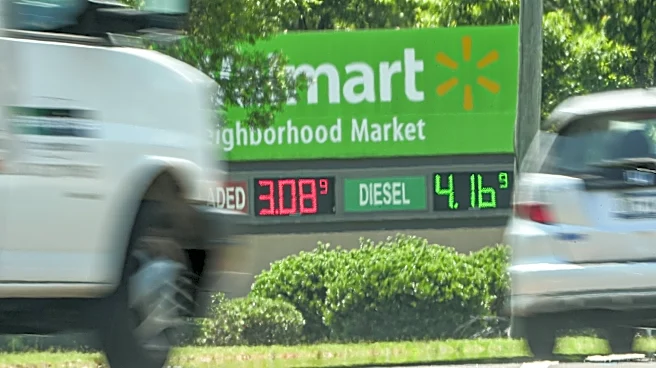
The tentative agreement to reopen the Strait of Hormuz has led to a drop in oil prices, offering potential relief at the gas pump for Americans. U.S. crude oil futures have fallen below $80 a barrel, the lowest since March. However, while gasoline prices may
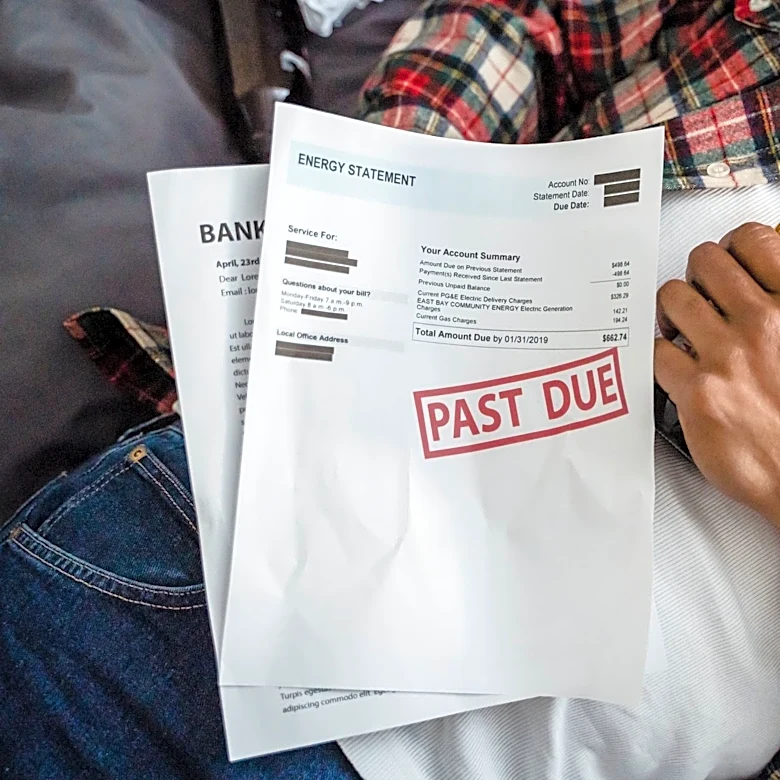
decrease, other costs such as groceries and household goods are expected to remain high due to ongoing supply chain disruptions and elevated freight rates. Experts caution that while energy costs may stabilize, the broader impact on consumer prices will take time to materialize.
Why It's Important?
The reopening of the Strait of Hormuz is a significant development for global oil markets, potentially easing inflationary pressures related to energy costs. However, the persistence of high prices for everyday goods highlights the complex nature of inflation, influenced by factors beyond crude oil prices. Consumers may experience temporary relief at the gas pump, but the broader economic impact will depend on how quickly supply chains recover and whether energy prices remain stable.
What's Next?
As the situation in the Strait of Hormuz stabilizes, attention will turn to the recovery of oil supplies and the replenishment of strategic reserves. Policymakers and businesses will need to address ongoing supply chain challenges to ensure that lower energy costs translate into broader price reductions. The pace of economic recovery and inflation trends will be closely monitored, influencing future policy decisions and consumer confidence.