






What's Happening?
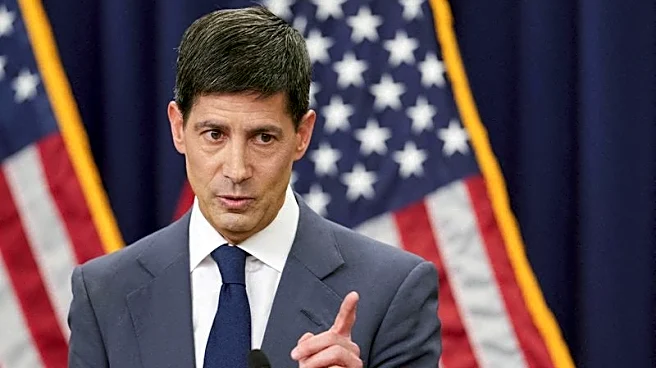
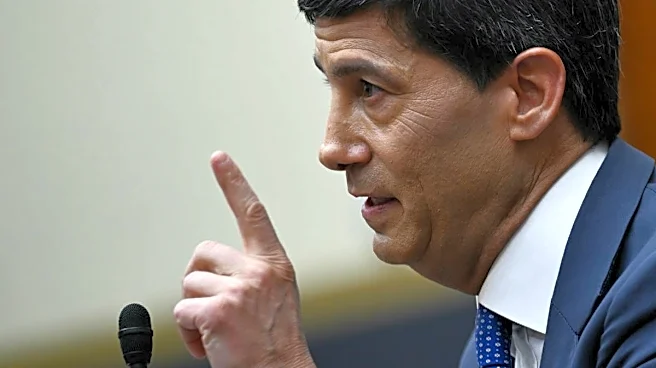
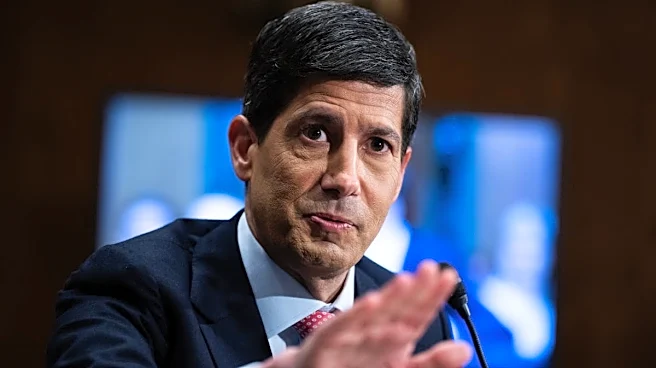
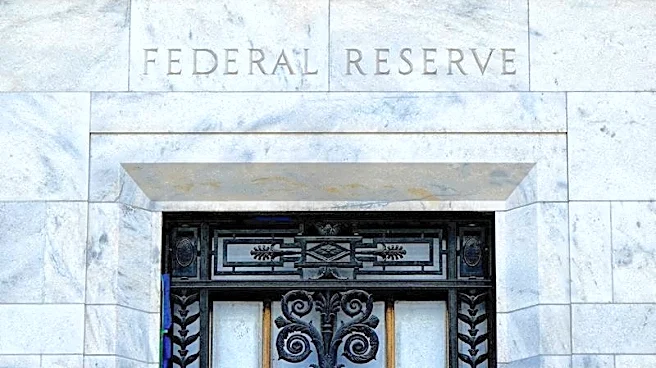
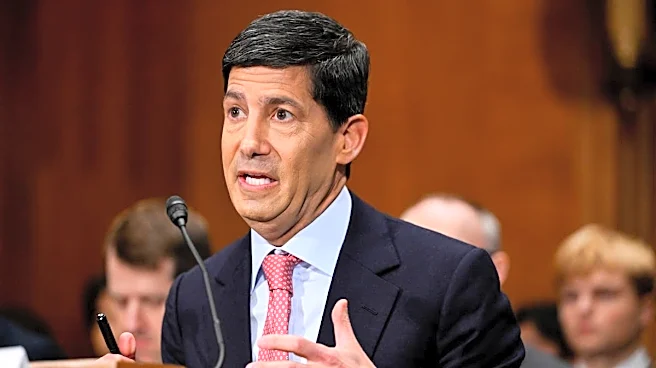
Stephen Miran, a former Federal Reserve Governor, has co-authored a research paper titled 'A return to monetarism?' alongside economists Peter Ireland and Nouriel Roubini. The paper argues for the increased use of monetary aggregates, such as the M2 money
supply and Divisia measures, in guiding Federal Reserve policy decisions. This approach suggests that these aggregates are better predictors of inflation and economic growth than currently acknowledged by the Fed. The paper stops short of advocating for a full return to money-supply targeting, a method previously attempted by the Fed in the early 1980s. Instead, it proposes that monetary aggregates should play a significant role alongside existing policy tools. The paper also critiques past Fed actions, suggesting that closer attention to monetary aggregates could have mitigated the inflation surge following the pandemic.
Why It's Important?
The paper's recommendations could significantly impact U.S. monetary policy, especially with Kevin Warsh, the new Fed Chairman, showing support for monetarist principles. If adopted, this approach could alter how the Fed responds to economic indicators, potentially affecting interest rates and inflation management. The implications extend to the crypto market, particularly stablecoins, which are backed by U.S. Treasuries and cash equivalents. As the stablecoin market grows, it could influence the demand for government debt, thereby affecting monetary policy. This shift could lead to a more nuanced understanding of the money supply, incorporating digital assets into traditional economic frameworks.
What's Next?
The potential adoption of monetarist principles by the Fed could lead to changes in how monetary policy is formulated and implemented. If the Fed begins to incorporate monetary aggregates more prominently, it may adjust its interest rate strategies and inflation targets. This could prompt reactions from financial markets, particularly those involved in digital assets and stablecoins. Stakeholders in these sectors may need to reassess their strategies in light of potential policy shifts. Additionally, the broader economic implications could influence fiscal policy and government debt management strategies.
Beyond the Headlines
The revival of monetarism could lead to a reevaluation of economic theories that have dominated U.S. monetary policy for decades. This shift might encourage a broader acceptance of digital currencies and their role in the financial system. It also raises questions about the balance between traditional banking systems and emerging financial technologies. The integration of stablecoins into monetary policy considerations could redefine regulatory approaches and necessitate new frameworks for managing digital assets.