
What's Happening?
Apple is reportedly exploring the development of a screenless health and fitness tracker, a move that would position it to directly compete with companies like WHOOP and Oura. This initiative comes as
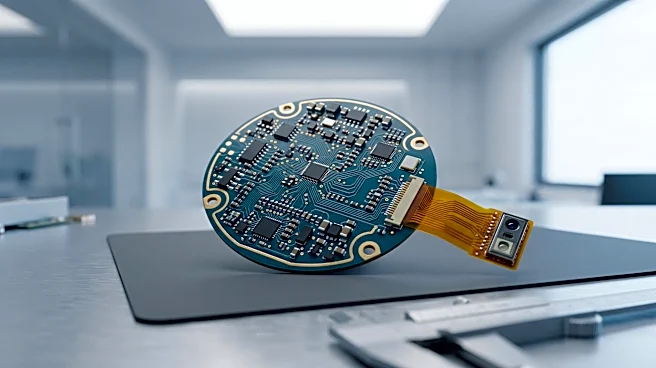
Apple aims to accelerate its presence in the health monitoring sector, following concerns from Eddy Cue, Apple's senior vice president of services, that the company's current health offerings were not sufficiently competitive. Prototypes of this potential new device are described as a thin fabric band equipped with a sensor-laden computing module, intentionally lacking a display to differentiate it from the Apple Watch. The earliest potential release for such a wearable is projected for 2028, though the project is currently in a 'technology investigation' phase. This strategic shift also follows a reorganization within Apple's health and fitness division, including the retirement of Chief Operating Officer Jeff Williams and the departure of other key executives, leading to a more streamlined reporting structure under Cue.
Why It's Important?
This reported exploration by Apple signifies a potential major shift in the wearable technology market, particularly in the health and fitness segment. By targeting the screenless tracker niche, Apple would acknowledge the growing demand for more discreet, data-focused wearables that prioritize continuous health monitoring over smartwatch functionalities. This could intensify competition for established players like WHOOP, which have built their brand around this very concept. For consumers, it could mean a wider array of choices in health tracking devices, potentially at different price points than the Apple Watch. The move also highlights Apple's commitment to expanding its health ecosystem, leveraging 'Apple Intelligence' for data summarization and a new 'Longevity tab' with a 'Health Age' metric in its redesigned Health app. This strategic diversification could capture a segment of the market that finds the Apple Watch too expensive or feature-rich for their basic health tracking needs, thereby broadening Apple's user base in the health sector.
What's Next?
Should Apple proceed with this screenless fitness tracker, the next steps would involve further development and refinement of the prototypes. The company would need to address the technical challenges of integrating advanced sensors into a compact, screenless form factor while ensuring accuracy and user comfort. Given the projected earliest release in 2028, Apple will likely continue to monitor market trends and competitor innovations in the interim. We can anticipate potential reactions from competitors like WHOOP, which may accelerate their own product development or marketing strategies to solidify their position in the face of a new Apple entrant. Internally, Apple's health and fitness division, now under Eddy Cue's leadership, will likely continue to integrate AI and advanced analytics into its existing and future health offerings, as evidenced by the upcoming redesigned Health app and its new features. The success of this potential device will depend on its ability to offer a compelling feature set that justifies its existence alongside the Apple Watch and effectively competes with specialized trackers.
Beyond the Headlines
The potential introduction of a screenless fitness tracker by Apple carries deeper implications beyond market competition. It reflects a broader trend in personal technology towards more integrated and less intrusive health monitoring. By removing the screen, Apple would be emphasizing data collection and analysis over immediate interaction, aligning with a philosophy that health insights should be seamlessly integrated into daily life rather than constantly displayed. This could also raise questions about data privacy and the ethical use of continuous biometric data, especially as Apple Intelligence is leveraged to summarize and respond to health data. Furthermore, the focus on a 'Longevity tab' and 'Health Age' metric suggests a shift towards proactive health management and predictive analytics, potentially influencing how individuals perceive and manage their long-term well-being. This move could also democratize advanced health tracking, making it accessible to a wider audience who might be deterred by the cost or complexity of a full-featured smartwatch, thereby expanding the reach of digital health interventions.