



What's Happening?
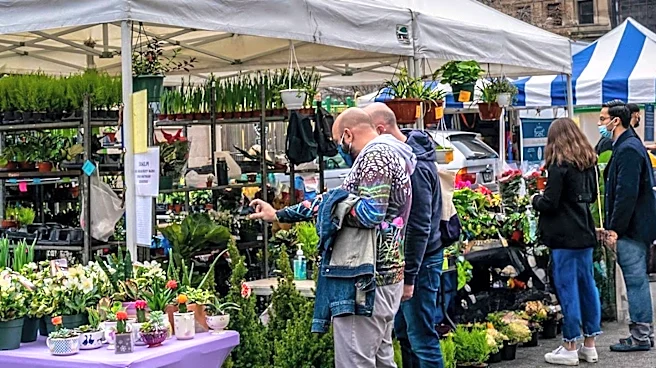
The Horticultural Society of New York is hosting a free, hands-on 'Fall Urban Gardening 101' session. Led by Hilda Krus, this workshop will focus on teaching participants how to save seeds from their current year's plantings, preparing them for the next
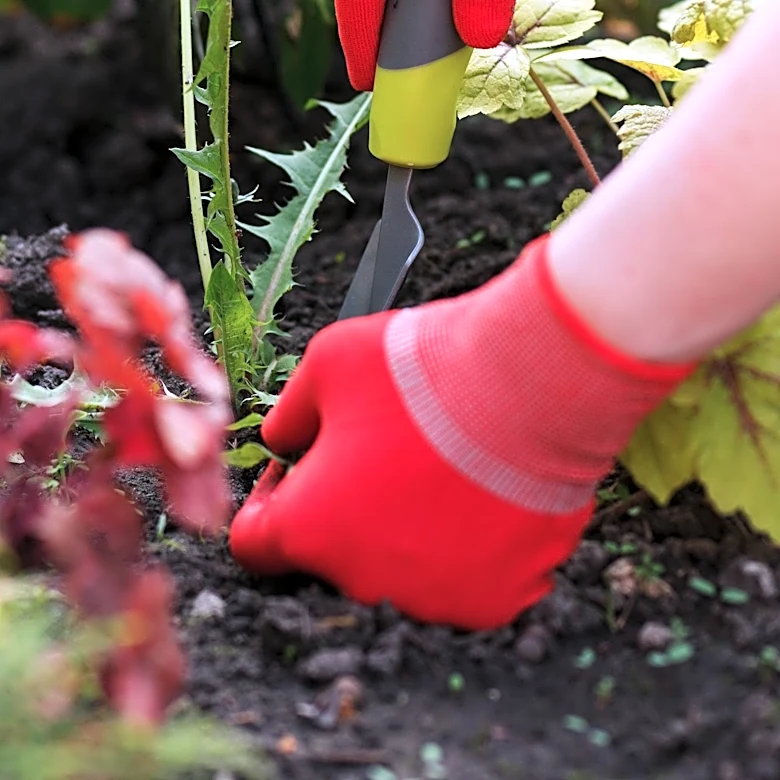
growing season. The session will take place in the Cut Flower bed, where attendees will observe how shorter days and colder weather impact bloom times and compare the hardiness of different plant varieties. Participants will also assist in harvesting plants that are nearing the end of their life cycle. The workshop aims to provide practical knowledge applicable to various garden types and sizes, promoting vibrant green spaces for New Yorkers.
Why It's Important?
This urban gardening workshop is significant for New York City residents as it directly addresses the growing interest in local food production and sustainable living within metropolitan areas. By teaching seed-saving techniques, the workshop empowers individuals to become more self-sufficient, reducing their reliance on commercial seed suppliers and fostering biodiversity. This initiative supports the creation and maintenance of green spaces, which are crucial for improving air quality, mitigating urban heat island effects, and enhancing the overall well-being of city dwellers. For urban communities, such programs can lead to increased access to fresh produce, promote healthier eating habits, and build stronger community bonds through shared gardening activities. The practical skills gained can also contribute to a more resilient local food system.
What's Next?
Following this initial Fall Urban Gardening 101 session, The Horticultural Society of New York is likely to continue offering similar educational programs, potentially expanding to cover other aspects of urban agriculture and sustainable gardening throughout the year. The skills learned, particularly seed saving, will enable participants to plan and execute their gardens more effectively in subsequent seasons. Increased participation in such workshops could lead to a proliferation of home and community gardens across New York City, fostering a more verdant and food-secure urban environment. The organization's commitment to accessibility, as noted in the source, suggests that future programs will also strive to be inclusive, reaching a diverse range of New Yorkers interested in gardening.
Beyond the Headlines
Beyond the immediate practical benefits, workshops like 'Fall Urban Gardening 101' contribute to a broader cultural shift towards environmental awareness and local engagement. They provide a tangible way for city residents to connect with nature, often a rare opportunity in dense urban settings. This connection can foster a deeper appreciation for ecological processes and the importance of conservation. Furthermore, the act of gardening itself can be a therapeutic and community-building activity, promoting social cohesion and mental well-being. By empowering individuals with the knowledge to grow their own food and sustain plant life, these programs cultivate a sense of agency and resilience, transforming urban landscapes into more vibrant and sustainable ecosystems.