






What's Happening?
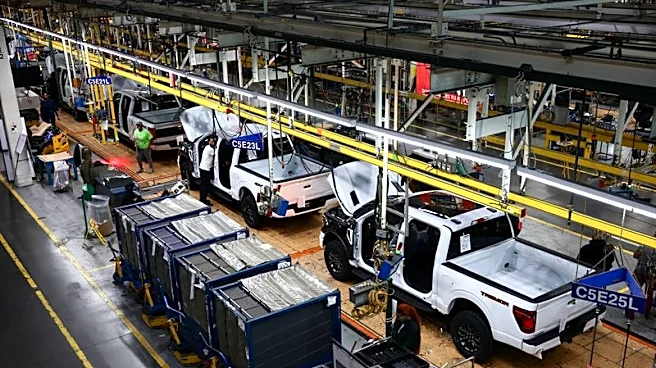
Honda Motor Co. is reportedly close to finalizing a deal to construct a new hybrid vehicle manufacturing plant in Ohio, with an estimated investment ranging from $1.8 billion to $2.5 billion. This facility would be Honda's first new North American plant in approximately
two decades and its eighth final assembly plant across the U.S., Canada, and Mexico. The plant is projected to have an annual production capacity of 250,000 units, primarily focusing on large hybrid models, including SUVs exceeding five meters in length. This expansion is expected to increase Honda's overall North American output by about 10%, pushing it beyond two million vehicles annually. Production is slated to commence in 2030, pending the completion of negotiations with state authorities. The proposed site is near Honda's existing operations in Ohio. This move follows Honda's decision in March to discontinue development and sales plans for three electric vehicles intended for the North American market.
Why It's Important?
This significant investment by Honda underscores a strategic shift towards hybrid vehicle production in North America, reflecting evolving market demands and regulatory landscapes. By focusing on large hybrid models, Honda aims to strengthen its competitive position against rivals like Toyota and Hyundai in this growing segment. The increased production capacity will bolster Honda's presence in a region that accounts for 40% of its total sales, with the company forecasting 1.7 million vehicle sales for the fiscal year ending March 2027, a 6% year-on-year increase. The decision to invest heavily in hybrid technology, while simultaneously abandoning certain EV plans, indicates a pragmatic approach to market realities and consumer preferences in the U.S. The creation of a new manufacturing facility will also generate economic activity and job opportunities in Ohio, contributing to the local and regional economy. This move could also influence other automakers' strategies regarding their North American production and electrification timelines.
What's Next?
Pending the successful conclusion of negotiations with Ohio state authorities, construction of the new hybrid plant could begin as early as 2027, with production targeted for 2030. Honda will continue to evaluate the sustainability of hybrid demand and policy-related risks before committing to further production investments. The company is also exploring the possibility of making the new plant's production lines EV-compatible, allowing for flexible output in response to future market shifts. This adaptability suggests Honda is preparing for various scenarios in the automotive industry's transition. The company has also raised its 2030 hybrid sales target to 2.5 million units, 2.7 times its 2025 figure, indicating a strong commitment to this segment. This strategic focus will likely involve continued monitoring of consumer trends, technological advancements, and governmental incentives related to both hybrid and electric vehicles.
Beyond the Headlines
Honda's substantial investment in a new hybrid plant in Ohio highlights a broader trend within the automotive industry: a recalibration of electrification strategies. While many manufacturers have aggressively pursued all-electric futures, Honda's pivot towards hybrids, especially after discontinuing some EV projects, suggests a recognition of the practical challenges and consumer preferences that still favor hybrid solutions in the near to medium term. This move could signal a more diversified approach to powertrain development, where hybrids serve as a crucial bridge technology. The decision to make the plant EV-compatible also reflects a long-term vision, allowing Honda to adapt to future shifts in demand without entirely abandoning its investment in internal combustion engine technology. This strategy could offer greater resilience against market volatility and supply chain disruptions, positioning Honda to meet diverse consumer needs while gradually transitioning towards a more sustainable fleet.