


What's Happening?
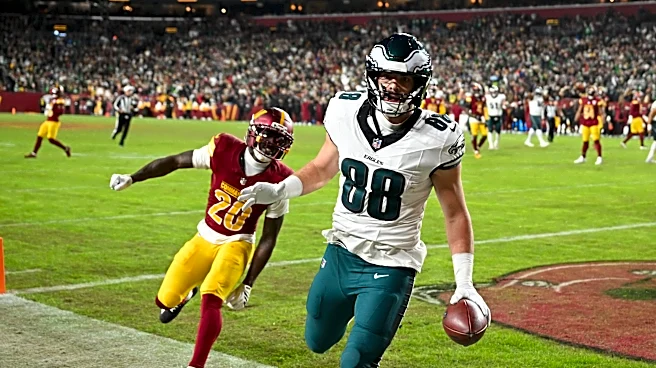
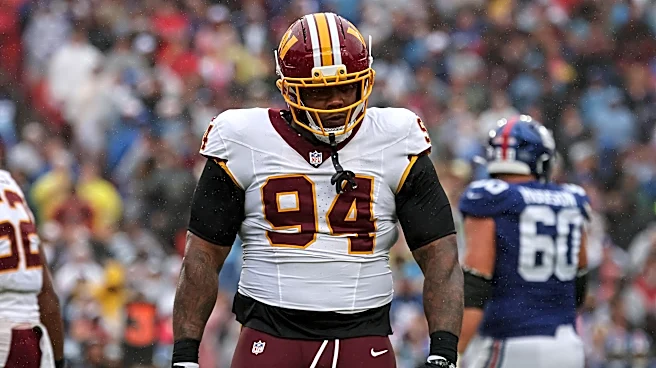
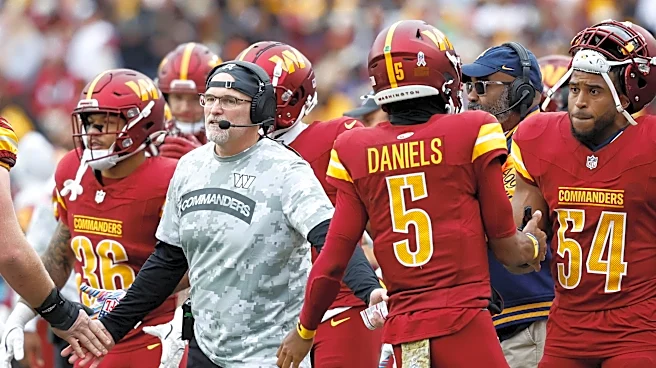
The Washington Commanders have announced a new partnership with Uber to launch a postgame shuttle service from Northwest Stadium in Landover, Maryland. This new service, called the Uber Shuttle, is set to debut on Sunday night following the team's game against
the Philadelphia Eagles. The initiative aims to provide fans with an affordable, convenient, and reliable transportation option after home games. Fans can reserve up to five seats on coach-style buses using the Uber app, either in advance or on game day, securing a guaranteed spot at a fixed price of $15 per ride. This price represents a 50% discount for the 2026 season. Eight buses will operate, transporting fans to various destinations across Washington D.C. One route will serve three locations in Northwest D.C.: Chinatown, Downtown D.C., and Foggy Bottom. Another route will stop at Union Market in Northeast D.C. and Logan Circle in Northwest D.C. Fans with reservations are directed to exit through Gate A at the stadium and proceed to the RedZone Rideshare Lot on Hill Oaks Road, where staff will guide them to the shuttles, which depart on a rolling basis once full. This collaboration is part of ongoing efforts by the Commanders and Uber to enhance the overall fan experience at Northwest Stadium.
Why It's Important?
This new shuttle service is significant for several reasons, primarily impacting fan experience, local transportation logistics, and the partnership landscape between sports franchises and technology companies. For Washington Commanders fans, it addresses a common pain point of postgame transportation, offering a structured and discounted alternative to individual rideshares or personal vehicles. This could lead to increased fan satisfaction and potentially higher attendance, as accessibility to the stadium becomes less of a barrier. From a logistical standpoint, it could help alleviate traffic congestion around Northwest Stadium after games by consolidating multiple individual rides into fewer, larger vehicles. This initiative also highlights a growing trend of professional sports teams collaborating with major rideshare platforms to integrate transportation solutions directly into the event experience. Such partnerships can create new revenue streams for both parties and enhance brand loyalty. Uber gains a dedicated user base for these specific events, while the Commanders can offer a value-added service to their patrons, potentially setting a precedent for similar arrangements in other sports venues across the U.S.
What's Next?
Following its debut, the Uber Shuttle service will continue to operate for all Washington Commanders home games throughout the 2026 season, offering fans a consistent postgame transportation option. The success and reception of this initial rollout will likely influence future enhancements or expansions of the service, both for the Commanders and potentially for other NFL teams or sports franchises. Stakeholders, including fans, local transportation authorities, and both the Commanders organization and Uber, will be monitoring the efficiency, reliability, and overall user satisfaction of the shuttle. Feedback from these groups could lead to adjustments in routes, pricing, or capacity in subsequent seasons. If successful, this model could be replicated by other teams looking to improve fan logistics, potentially leading to more widespread adoption of dedicated rideshare shuttle services at major sporting events across the country. The partnership may also evolve to include other fan engagement initiatives or integrated services within the Uber app related to game day experiences.
Beyond the Headlines
This partnership extends beyond simple transportation, touching upon broader implications for urban mobility, event management, and consumer behavior in the sports industry. The fixed-price, pre-booked shuttle model represents a shift towards more organized and predictable post-event transit, which could influence urban planning around large venues. It also highlights the increasing integration of digital platforms into every aspect of consumer experience, from ticket purchasing to post-event travel. Ethically, it raises questions about equitable access to such services, ensuring that all fan demographics can benefit, not just those with smartphone access or familiarity with rideshare apps. Legally, such large-scale transportation operations require careful coordination with local traffic laws and public transit regulations. Culturally, it reinforces the expectation of seamless, on-demand services in modern life, pushing sports organizations to innovate beyond the game itself to provide a comprehensive and convenient event experience. This could set a new standard for how major events manage crowd dispersal and enhance attendee satisfaction.