





What's Happening?
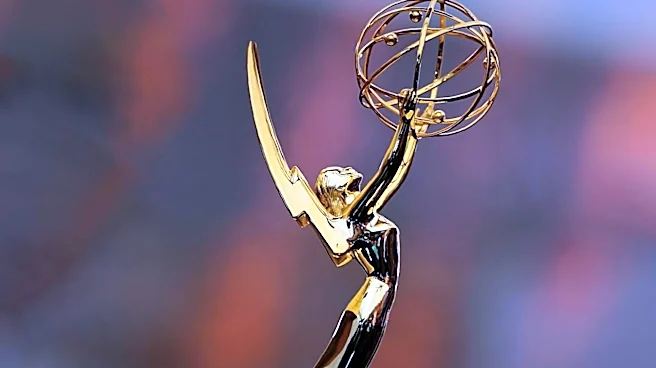
YouTube is actively campaigning for Emmy recognition for its creator-driven content, with 'SubwayTakes' receiving a Primetime Emmy nomination for Outstanding Short Form Comedy, Drama or Variety Series. This nomination is part of YouTube's broader strategy
to position itself as a significant player in the television landscape and to gain mainstream validation for its creators. The platform's CEO, Neal Mohan, has publicly advocated for creators to receive the same acclaim as traditional creative professionals. While 'SubwayTakes' is the sole breakthrough in YouTube's second formal Emmys campaign, the platform also pushed other nonfiction, interview- or stunt-based shows for various categories. This effort includes organizing FYC (For Your Consideration) events, publicity tours, and hiring an awards strategist, a shift from previous years where creators largely self-submitted their work. The nomination for 'SubwayTakes' is seen by YouTube as a milestone for the entire creator community, though some observers view it more as a win for YouTube's awards campaigning within a less prominent Emmy category.
Why It's Important?
This development is important as it signifies a growing tension and potential shift in the entertainment industry's power dynamics. YouTube's aggressive push for Emmy recognition challenges the traditional television establishment, which has historically been slow to embrace digital-native content. If YouTube succeeds in integrating its creators into mainstream awards, it could fundamentally alter how content is produced, distributed, and valued. This move also reflects YouTube's strategic efforts to attract blue-chip advertisers, who were previously wary due to issues like graphic videos and misinformation. By associating itself with Emmy-recognized content, YouTube aims to enhance its brand narrative and compete more effectively with established players like Netflix for advertising dollars. The success of creator-driven content in traditional awards could also influence investment in new forms of media and talent, potentially leading to a more diverse and decentralized entertainment ecosystem. However, the current Emmy category for short-form content is often perceived as an 'afterthought,' raising questions about the true weight of such recognition.
What's Next?
YouTube is expected to continue and likely expand its awards campaigning efforts in the coming years, aiming for nominations in more prominent Emmy categories. The platform's long-term goal is to establish itself as the 'future of television,' a strategy supported by recent deals to integrate Peacock programming, stream the Oscars, and acquire sports rights. This ongoing push will likely intensify the competition with traditional media companies and streaming services like Netflix, which is also reportedly increasing its engagement with podcasts and YouTubers. The evolving relationship between YouTube and the Emmys will be closely watched, particularly to see if creator-economy content can achieve recognition in marquee categories, which would signal a more significant shift in the industry. The potential for Netflix to also enter the creator-FYC bandwagon could further blur the lines between traditional and new media, leading to a more integrated, albeit competitive, landscape for content creators and platforms.
Beyond the Headlines
The deeper implications of YouTube's Emmy campaign extend to the very definition of 'television' and the role of labor in the entertainment industry. The Emmys, traditionally a celebration of the industry's labor pools, face an existential question about whom they represent as the creator economy gains prominence. While YouTube's content often operates outside traditional Hollywood structures, a full embrace by the Emmys could necessitate a re-evaluation of unionization, creative hierarchies, and production ecosystems. This shift could also highlight ethical considerations regarding the monetization of content and the potential for exploitation within the creator economy, especially as platforms like YouTube and Netflix vie for talent. Furthermore, the increasing blurring of lines between traditional and digital content raises questions about intellectual property, content ownership, and the long-term sustainability of different production models. The outcome of this evolving dynamic could reshape cultural consumption and the career paths of aspiring entertainers and content creators.