






What's Happening?
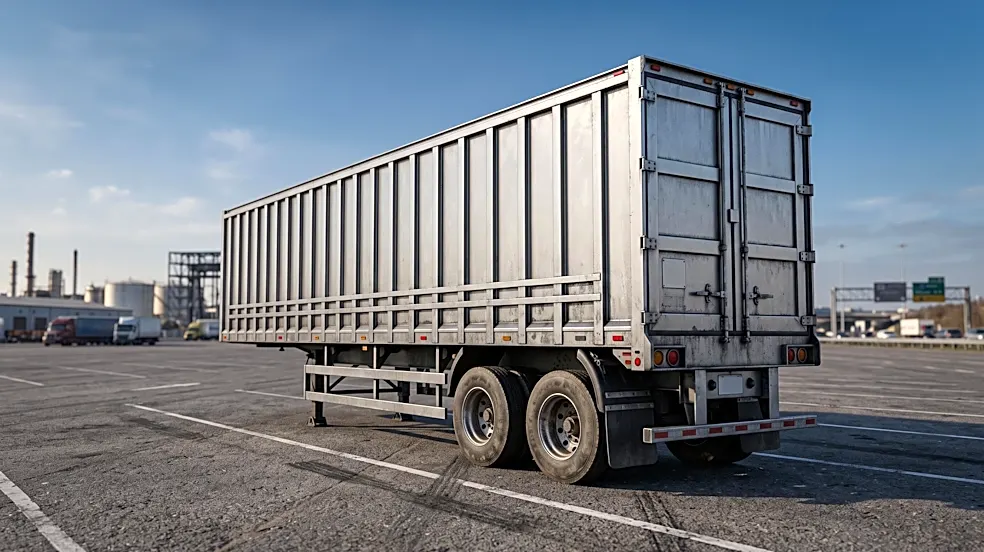
Commercial truck crash settlements have undergone significant changes in the last ten years, marked by an increase in what are termed 'nuclear verdicts.' These verdicts refer to exceptionally large jury awards, often exceeding $10 million, in personal
injury and wrongful death cases involving commercial vehicles. This trend indicates a shift in how juries perceive and compensate for damages in such incidents. The growing frequency of these substantial payouts suggests a heightened level of scrutiny and accountability being placed on commercial trucking companies and their insurers. This development is particularly relevant for the U.S. legal and insurance sectors, as it impacts risk assessment, litigation strategies, and the overall financial landscape for businesses operating large vehicle fleets.
Why It's Important?
The rise of 'nuclear verdicts' in commercial truck crash settlements carries significant implications for the U.S. transportation industry, insurance providers, and the broader economy. For trucking companies, these large payouts can lead to increased insurance premiums, higher operational costs, and potentially impact their financial stability. Insurers face greater financial exposure, necessitating adjustments in their underwriting practices and reserves. This trend could also influence safety regulations and enforcement within the trucking sector, as companies may be compelled to invest more in safety measures to mitigate legal risks. Furthermore, the increased cost of litigation and settlements could ultimately be passed on to consumers through higher shipping costs, affecting supply chains and the prices of goods across various industries. The legal precedent set by these verdicts may also encourage more aggressive litigation from plaintiffs' attorneys, further shaping the landscape of personal injury law.
What's Next?
In response to the escalating costs associated with 'nuclear verdicts,' commercial trucking companies and their insurers are likely to explore various strategies. This could include advocating for tort reform to cap damages, investing more heavily in advanced safety technologies for their fleets, and enhancing driver training programs to reduce accident rates. The insurance industry may also develop new policy structures or increase premiums to account for the higher risk of large payouts. Legal professionals anticipate continued aggressive litigation from plaintiffs, potentially leading to more cases going to trial rather than settling, as plaintiffs seek to capitalize on the potential for substantial jury awards. Regulatory bodies might also face pressure to review and update safety standards for commercial vehicles in an effort to curb accidents and their associated legal consequences.
Beyond the Headlines
The phenomenon of 'nuclear verdicts' extends beyond mere financial implications, touching upon deeper societal perceptions of corporate responsibility and justice. These large awards often reflect a jury's desire to punish perceived corporate negligence or indifference, sending a strong message about accountability. This trend could foster a more litigious environment, where the public increasingly views large corporations, particularly those involved in potentially hazardous operations like commercial trucking, as having a greater duty of care. Ethically, it raises questions about the balance between compensating victims adequately and ensuring the economic viability of essential industries. Culturally, it may contribute to a broader narrative of consumer protection and corporate oversight, influencing public opinion and potentially shaping future legislative efforts aimed at regulating industries and protecting individuals from corporate harm.