




What's Happening?
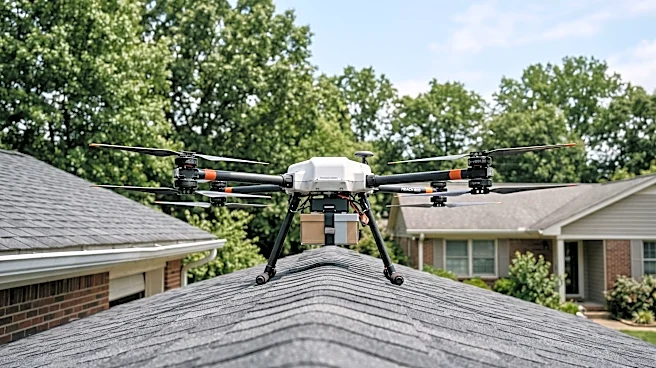
An Amazon Prime Air MK30 delivery drone crash-landed on the roof of a garage in Huntington Woods, Michigan, on November 20, after successfully delivering a bottle of shampoo to a nearby customer. According to the customer, Jim Brennan, the drone ascended
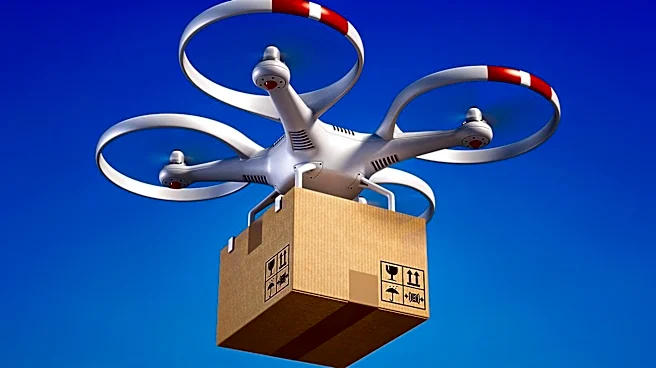
into an overhead line and lost a propeller. Amazon stated the drone landed on a resident's shed. The MK30 drone, weighing 83.2 pounds with a full load, is approximately 5 feet wide and can cruise at speeds up to 73 mph. Unlike some competitor drones, the MK30 does not have a parachute. This incident highlights ongoing concerns regarding the safety and necessity of drone deliveries for non-essential items, especially given the drone's significant weight and lack of a recovery system. DroneXL has reported 13 Amazon drone incidents since September 2024, including test-range crashes and deliveries where packages went awry.
Why It's Important?
This incident underscores the critical safety and regulatory challenges facing the expanding drone delivery industry in the U.S. The substantial weight of Amazon's MK30 drone, at 83.2 pounds, means it carries considerable kinetic energy, posing a significant risk if it malfunctions and falls in residential areas. The Federal Aviation Administration (FAA) has reviewed Amazon's Detroit-area hubs, citing consumer demand for package deliveries and the replacement of car trips for 'urgently needed items' as justifications for the service. However, the delivery of a bottle of shampoo, as in this case, raises questions about the proportionality of risk versus benefit. Competitors like Wing and Zipline utilize lighter aircraft and, in Zipline's case, parachutes and higher delivery altitudes, suggesting alternative approaches to mitigate risks. The incident could prompt increased scrutiny from regulatory bodies and local communities regarding drone delivery operations, potentially influencing future regulations on drone design, operational parameters, and the types of goods deemed appropriate for drone transport.
What's Next?
Amazon plans to expand its drone delivery service to nearly 500 cities and towns by the end of the year, which could lead to a significant increase in drone flights over residential areas. This expansion, coupled with incidents like the one in Michigan, is likely to intensify public and regulatory debate over drone safety. The FAA may face pressure to re-evaluate its environmental assessments and safety protocols for drone delivery, particularly concerning heavier aircraft and their operation in populated zones. Residents in areas targeted for drone delivery may also become more vocal, potentially leading to local ordinances or increased community engagement with drone operators. Amazon may need to address public concerns about drone safety and the perceived value of delivering non-essential items, possibly by investing in lighter, quieter, and more robustly equipped drones with recovery systems, similar to those used by competitors like Wing and Zipline.
Beyond the Headlines
The incident in Huntington Woods, Michigan, transcends a simple drone malfunction, touching upon broader societal implications of convenience versus safety. The delivery of a bottle of shampoo by an 83-pound drone highlights a growing tension between the pursuit of instant gratification through technological advancements and the inherent risks these technologies introduce into daily life. This event could fuel a public discourse on what constitutes an 'essential' or 'justifiable' drone delivery, potentially influencing consumer expectations and industry practices. Ethically, it raises questions about corporate responsibility in deploying technology that, while innovative, carries potential hazards for the public. Legally, it may set precedents for liability in drone-related accidents and could lead to more stringent regulations regarding drone design, operational safety features like parachutes, and flight paths over residential areas. The long-term shift could see a bifurcation in drone delivery services, with heavier, less agile drones reserved for industrial or less populated areas, while lighter, safer models are mandated for urban and suburban environments.