





What's Happening?
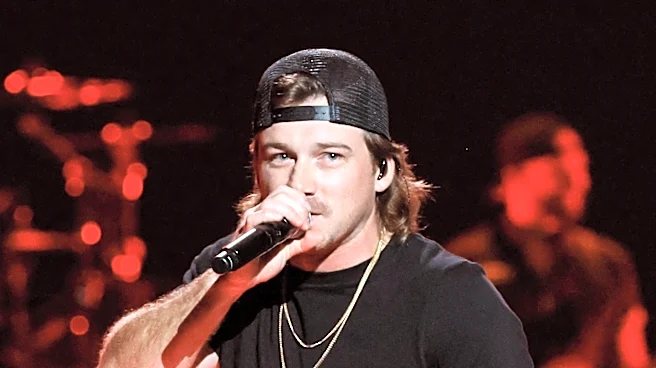
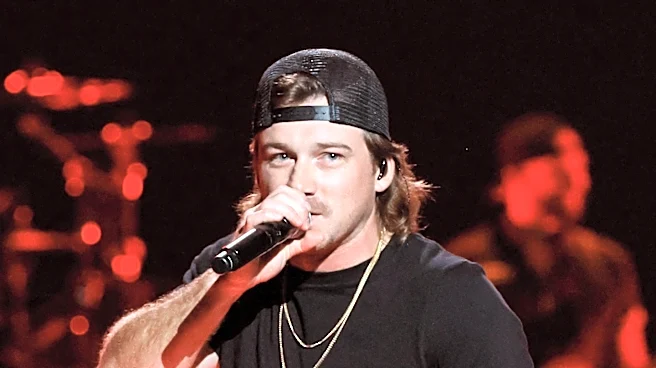
Tate McRae, a Canadian pop artist, has publicly addressed the backlash she received from fans for her duet with country singer Morgan Wallen, titled 'What I Want.' The song is featured on Wallen’s 2025 album, 'I’m The Problem.' In an interview with W Magazine,
McRae stated that it is 'crazy to think that one song could define a whole person,' emphasizing that her audience often only sees a part of her personality. She also mentioned that she prefers to let her actions and the organizations she supports speak for her, as she previously told Variety. Before collaborating with McRae, Wallen had sought a female duet partner for the song but had been turned down by others. He expressed his admiration for McRae, calling her a 'true pop star, a prolific songwriter and an extremely underrated vocalist.' The duet debuted at No. 1 on the Billboard Hot 100, marking McRae's first No. 1 hit and Wallen's fourth, and ended the 13-week run of Kendrick Lamar and SZA’s 'luther' at the top. This achievement made McRae only the seventh Canadian woman to top the Hot 100.
Why It's Important?
This situation highlights the increasing scrutiny artists face regarding their collaborations and the potential impact on their public image and fan base. For Tate McRae, defending her artistic choices against fan criticism underscores the challenges pop artists encounter when venturing into different genres or collaborating with figures who have faced controversy. Her statement about a single song not defining a person reflects a broader conversation in the entertainment industry about cancel culture and the complexities of artistic expression. The success of 'What I Want' on the Billboard Hot 100 demonstrates the commercial power of such cross-genre collaborations, even in the face of public disapproval from some segments of the audience. This also illustrates how artists navigate their careers and maintain their artistic integrity while managing public perception and fan expectations. The incident also sheds light on the evolving landscape of music consumption, where genre boundaries are increasingly blurred, and artists are expected to align with certain social or political stances.
What's Next?
Tate McRae is likely to continue promoting her music and performing, with her recent hometown show at the Calgary Stampede’s Cowboys Music Festival indicating her ongoing engagement with her roots and audience. Her continued success on the charts, as evidenced by 'What I Want' reaching No. 1, suggests that her career trajectory remains strong despite the backlash. The discussion around her collaboration with Morgan Wallen may prompt other artists to consider the potential public relations implications of their partnerships, especially when one artist has a controversial past. This event could also lead to further conversations within the music industry about artistic freedom versus public accountability. McRae's approach of letting her actions and supported organizations speak for her may become a model for other artists facing similar dilemmas, emphasizing transparency and consistent values over direct engagement with every criticism.
Beyond the Headlines
The controversy surrounding Tate McRae's duet with Morgan Wallen delves into deeper societal implications regarding public judgment and the nature of celebrity. It raises questions about whether an artist's past actions should permanently define their future collaborations and whether fans have a right to dictate an artist's creative choices. The incident also touches upon the 'cancel culture' phenomenon, where public figures face significant pressure and criticism for perceived missteps or associations. McRae's defense highlights the ethical dilemma of separating an artist's work from their personal life or past controversies. Furthermore, the success of the song despite the backlash suggests a potential divide between a vocal segment of the audience and the broader music-consuming public, indicating that commercial success can still be achieved even when some fans express disapproval. This situation could influence how record labels and artists approach collaborations, potentially leading to more strategic considerations of public perception and artist branding.